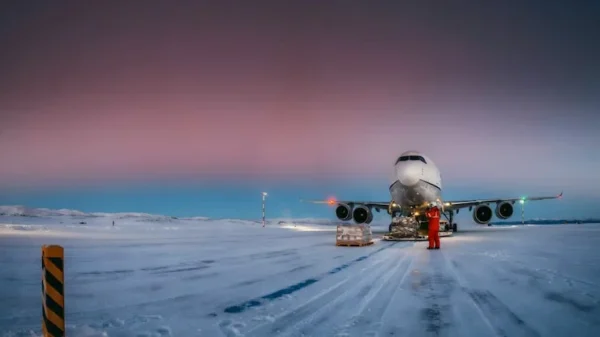
European airports are preparing for the 2026–2027 winter season with new flights to destinations known for skiing, festive breaks and Arctic experiences.
Finland’s airport operator, Finavia, expects 31 new routes across its airports compared with the previous winter. The additions include direct UK connections to Finnish Lapland and more services between Helsinki and northern airports.
The flights could make it easier for holidaymakers to reach snow resorts, Northern Lights excursions and seasonal attractions. Hotels, tour operators and transport providers may also benefit if additional airline seats translate into bookings.
The announcements show expanding winter connectivity. They do not establish a wider shift of long-haul aircraft away from winter-sun destinations.
UK Travellers Gain Lapland Options
EasyJet plans three new direct routes from the UK to Kittilä and Rovaniemi for the 2026–2027 winter season.
The Newcastle–Rovaniemi service is scheduled to begin on 25 November 2026. Flights will operate on Wednesdays and Sundays, giving northeast England another route to Finnish Lapland.
Rovaniemi attracts visitors with Santa Claus Village, winter activities and opportunities to search for the Northern Lights. Kittilä provides access to Lapland ski resorts and other seasonal experiences.
Direct flights can reduce the need for an intermediate connection. However, travellers should check airport transfers, accommodation availability and airline baggage rules before booking.
Winter schedules can change, especially around the beginning and end of a seasonal service. Passengers should confirm flight times before arranging onward transport or excursions.
More Routes Reach Northern Finland
New services from mainland Europe will provide further options for travellers heading to Finnish winter destinations.
Finavia has announced a Munich–Ivalo route, with weekly Wednesday flights scheduled from 23 December 2026 until 24 March 2027. The service will give travellers another way to reach northern Lapland.
Brussels Airlines also plans direct winter routes from Brussels to Kemi-Tornio and Kittilä. These flights could help passengers combine European connections with stays in northern Finland.
Meanwhile, airBaltic plans five new direct routes to Kuusamo for the winter season. The airline intends to base an aircraft there during the busiest winter months.
Kuusamo serves the Ruka ski area and gives visitors access to national parks and winter activities. New flights could help accommodation providers and excursion businesses reach a wider market.
Alpine Resorts Prepare for Winter Visitors
The Alps remain another major focus for European winter travel. Visitors use airports, trains and road transfers to reach ski resorts, mountain hotels and nearby towns.
Austria recorded more than 74 million overnight stays during the 2025–2026 winter tourism season. The figure highlights the scale of accommodation demand across the country during the colder months.
Travellers heading to Austrian and Swiss resorts often combine flights with trains or coaches. The best route depends on the resort, arrival airport, flight schedule and weather conditions.
Early planning can help families and groups coordinate flights with accommodation and equipment transport. Passengers should also check whether airlines charge extra for skis, snowboards or oversized luggage.
Visitor spending can support hotels, restaurants, ski schools and local transport providers. Results vary by destination and depend on snow conditions, prices and length of stay.
Christmas Markets Boost City Break Appeal
Europe’s winter travel market also extends beyond ski slopes and Arctic destinations. Christmas markets give visitors reasons to plan seasonal city breaks.
Vienna, Strasbourg, Nuremberg and Stuttgart offer festive attractions alongside museums, restaurants and cultural venues. Travellers may combine a city stay with a longer holiday elsewhere in Europe.
For hotels and local businesses, seasonal visitors can provide a valuable source of demand. However, opening dates, market schedules and accommodation prices vary between cities.
International visitors should allow time for onward rail journeys when their arrival airport lies outside their destination city. They should also check whether trains require reservations during busy holiday periods.
Rail Links Support Winter Journeys
Airport rail connections can help travellers continue towards cities and mountain regions after landing. They also offer an alternative to some connecting flights.
The European Union’s revised transport network framework includes plans to connect major airports with long-distance rail. The requirement applies to airports handling more than 12 million passengers annually.
The target forms part of a longer-term infrastructure programme, with a 2040 deadline for relevant connections. Travellers should check current services rather than assume every airport offers a direct train to their destination.
Passengers combining separate flight and rail bookings should also review their connection arrangements. A missed train or flight may carry different conditions from a journey booked on one ticket.
Planning a European Winter Holiday
New routes can widen travel choices, but holiday availability and fares depend on demand. Popular dates around Christmas and New Year may require advance planning.
Travellers should compare the full journey cost, including airport transfers, luggage, accommodation and activities. They should also allow flexibility for winter weather and check the terms of separate bookings.
For European destinations, the coming season offers an opportunity to connect flights with hotels, attractions and local experiences. The outcome will depend on how many passengers use the services and where they choose to stay.
For more travel news like this, keep reading Global Travel Wire