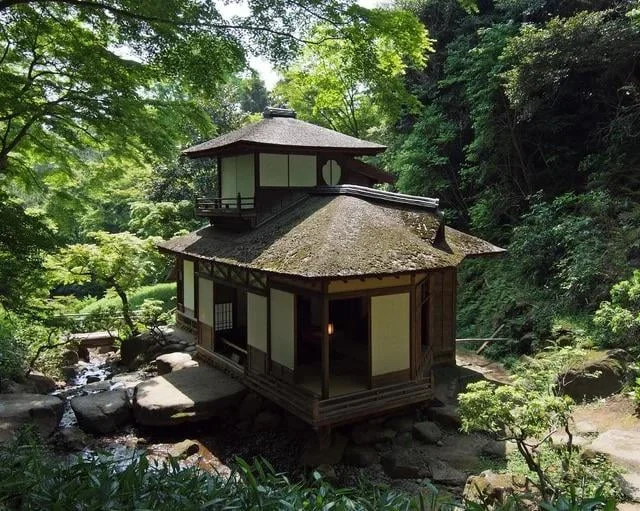
Yokohama’s 169-year-old Ikegaya Family Residence opened a new chapter on 28 October 2026, welcoming two food venues inside its historic structure. The opening introduces bakery bistro flour+water Tsunashima and Japanese-inspired bagel shop Wamochi-ya, which becomes a sake bar each evening.
The restored farmhouse dates to 1857 and holds recognition as a Yokohama City-certified historic structure. Its new role combines architectural heritage with dining, creating another reason for visitors to explore the Tsunashima neighbourhood.
The property forms part of Shin-Tsunashima MICCA, a commercial redevelopment near Shin-Tsunashima Station. Railway access makes the venue a potential addition to wider Tokyo–Yokohama itineraries.
Historic Residence Gains A Contemporary Purpose
The Ikegaya Family Residence connects the district’s nineteenth-century history with its changing urban surroundings. Rather than operating primarily as a museum, the building now accommodates businesses serving meals, bakery products and drinks.
Visitors can experience its historic wooden interiors while using the property as a dining destination. This approach gives the residence an active commercial function alongside its recognised architectural importance.
For travellers interested in older Japanese buildings, the opening offers a different setting from conventional sightseeing attractions. However, restaurant access should not imply unrestricted access throughout the historic property.
The available opening information does not announce a separate sightseeing admission ticket.
Bakery Bistro Offers All-Day Dining
Flour+water Tsunashima provides approximately 60 seats and combines bakery products with Italian-inspired dishes and Japanese-influenced desserts. Its menu includes pasta, truffle omelettes, meat dishes and freshly baked bread.
Desserts include matcha tiramisu and hojicha cheesecake, bringing familiar Japanese tea flavours into contemporary café dining. The combination gives visitors several ways to experience the venue beyond a formal evening meal.
The announced schedule divides service into three periods. Lunch runs from 10am until 3pm, followed by afternoon service until 5pm and dinner until 10pm.
These different sessions allow travellers to incorporate the farmhouse into daytime sightseeing or evening plans. Menu availability and reservation arrangements may vary.
Japanese Ingredients Shape The Bagel Menu
Wamochi-ya offers a smaller setting with approximately 20 seats. Its concept combines bagels with Japanese ingredients, including dashi, red bean paste and roasted soybean flour.
Other flavour combinations draw on mitarashi dumplings, salted kelp, seaweed and pickled plum. The menu introduces visitors to familiar ingredients through a bakery format that differs from traditional confectionery.
Bagel sales begin at 10am and continue until stock runs out. Consequently, the published opening time does not guarantee availability throughout the afternoon.
Takeaway purchases provide another option for travellers continuing their itinerary. However, visitors seeking particular products should confirm availability rather than assume the full selection remains in stock.
Evening Sake Service Changes The Atmosphere
From 5pm, Wamochi-ya shifts from daytime bagels to sake and small dishes. Its announced evening service continues until 10pm.
The change gives the same historic setting a second hospitality role after daytime bakery trading. Adult visitors can include the venue within an evening focused on Japanese food and drink.
For tourism businesses, this day-to-evening approach creates several potential customer groups without relying on one dining period. Nevertheless, the opening does not establish visitor numbers or commercial performance.
Travellers should confirm current service arrangements before planning their evening around the venue.
Railway Access Supports Neighbourhood Visits
Shin-Tsunashima Station serves the Tokyu Shin-Yokohama Line, connecting the district with Shin-Yokohama and the wider metropolitan railway network. The nearby station helps place the farmhouse within reach of visitors exploring Yokohama and surrounding areas.
Journeys from Tokyo depend on the departure point and available connections. Visitors should therefore check the complete route rather than assume every service operates directly.
The location also allows travellers to combine dining with a neighbourhood visit. This could broaden itineraries beyond Yokohama’s established waterfront attractions.
However, improved access alone does not demonstrate longer stays or additional spending at nearby businesses.
Wider Development Adds Commercial Activity
Shin-Tsunashima MICCA combines the restored farmhouse with two additional wooden commercial buildings. Plans for the wider development include 21 tenants spanning dining and neighbourhood services.
The project links heritage reuse with everyday commercial activity, giving the historic residence a role within a broader local destination. Its tourism significance rests on the combination of architecture, food and accessible transport.
Longer-term benefits will depend on visitor demand, business performance and successful maintenance of the property’s historic character. The opening itself provides no measured economic or environmental results.
For travellers, the immediate addition is clear: a nineteenth-century farmhouse now offers contemporary dining, distinctive bagels and evening sake in urban Yokohama.
For more travel news like this, keep reading Global Travel Wire