Vietnam is strengthening its focus on air connections with the United Kingdom, Germany and Russia as it pursues tourism growth. These markets offer opportunities for airlines, hotels and destinations seeking international holidaymakers and business travellers.
The country’s stated ambition to attract 25 million international visitors in 2026 places aviation access at the centre of tourism planning. However, additional flights must work alongside reliable airport services, accommodation capacity and convenient onward transport.
The immediate tourism opportunity extends beyond increasing arrivals. Better connections could help visitors reach more destinations, organise longer itineraries and spend across a wider range of local businesses.
European Air Links Widen Travel Choices
Vietnam’s long-haul connections provide an important bridge between European departure points and its principal international gateways. London, Frankfurt and Munich feature prominently in the travel links described in the development plans.
Nonstop services remove the need for an intermediate flight connection. For passengers, that can simplify travel arrangements and reduce the inconvenience of changing aircraft during an intercontinental journey.
Nevertheless, airlines’ operating days and seasonal schedules influence the usefulness of each route. Travellers need to compare departure times, baggage conditions and onward connections when choosing flights.
For tourism businesses, dependable schedules also provide a stronger foundation for selling packages combining accommodation, transfers and excursions.
UK and Germany Offer Tourism Potential
The United Kingdom and Germany remain important markets within Vietnam’s European tourism strategy. Both provide opportunities to attract visitors interested in combining cities, coastal destinations and cultural experiences.
Improved access could help travel organisers build holidays around more than one Vietnamese region. However, convenient international flights alone cannot determine how long visitors stay or how much they spend.
Hotels and destination businesses must also provide clear information, consistent service and suitable transport arrangements. These elements influence whether an accessible destination becomes a practical holiday choice.
Meanwhile, business travel can complement leisure demand, supporting accommodation providers and other services beyond conventional sightseeing itineraries.
Russia Remains an Important Travel Market
Russia also occupies a significant position in Vietnam’s aviation and tourism plans. The supplied figures identify substantial passenger movement between the countries, alongside cargo activity on the same corridor.
That combination illustrates how international air services can support several markets simultaneously. Holidaymakers, visiting families and business passengers may share flights that also transport commercial goods.
However, passenger traffic and tourist arrivals measure different activities. Airlines and tourism authorities need to assess each separately when planning capacity or evaluating destination demand.
Travellers should also confirm applicable entry conditions before booking. Policy discussions or proposed visa arrangements do not automatically establish eligibility for an individual journey.
Airports and Destinations Need Coordinated Planning
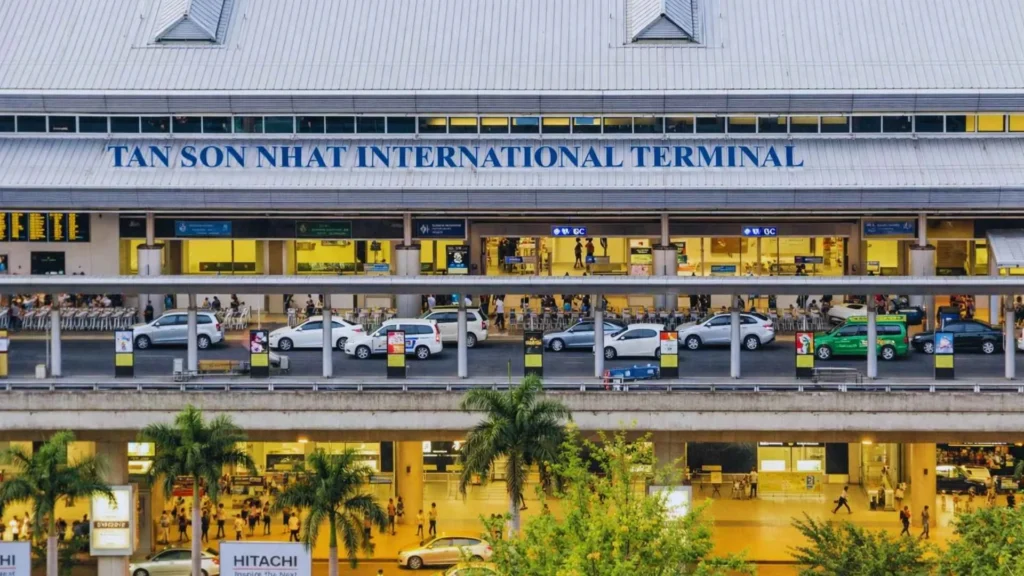
Vietnam’s expansion ambitions place greater importance on cooperation between airport operators and tourism authorities. The described 2026–2030 partnership involving Ho Chi Minh City’s tourism department and Airports Corporation of Vietnam reflects that priority.
Such coordination could help align destination promotion with airport operations and visitor services. Its practical value will depend on implementation and the experience passengers encounter after landing.
Efficient arrivals processing, understandable information and dependable transfers all contribute to that experience. Problems at any stage can complicate onward journeys and affect perceptions of the destination.
Consequently, adding international capacity should accompany improvements across the wider visitor journey.
Hotels and Local Businesses Could Benefit
Stronger air access could create opportunities for accommodation providers, restaurants, guides and attraction operators. More convenient journeys may help tourism businesses reach customers who previously faced complicated travel arrangements.
However, additional airline seats do not guarantee higher hotel occupancy or stronger local earnings. Results depend on bookings, room availability, pricing and visitors’ choices after arrival.
Destinations can broaden potential benefits by offering experiences beyond the main gateways. Rural visits, local food, cultural activities and community businesses could give travellers reasons to explore further.
Clear itineraries and dependable transport will help make those experiences accessible to international guests.
Domestic Transport Shapes the Wider Holiday
International connectivity delivers greater value when visitors can continue their journeys comfortably within Vietnam. Rail services, domestic flights and local transport influence how easily travellers combine destinations.
The supplied development plans highlight interest in improved rail experiences and digital visitor services. These initiatives could support more varied itineraries if travellers can understand and access them.
Vietnam’s tourism outlook therefore depends on the connection between international access and domestic experience. Stronger UK, German and Russian links could support growth, while reliable services will help convert that access into rewarding visits.
For more travel news like this, keep reading Global Travel Wire