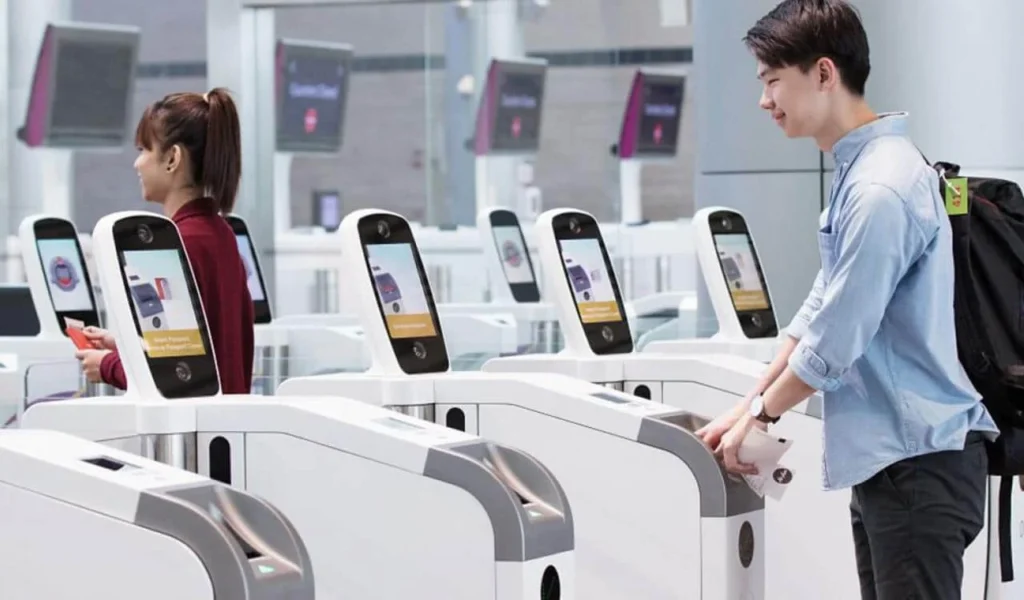
Biometric airport checks and digital identity initiatives are changing how travellers move through selected airports in the UAE, Singapore and Japan. Facial recognition and other identity technologies can reduce repeated document presentation, although their availability depends on eligibility, location and participating services.
For international tourists, the distinction between streamlined processing and passport-free travel remains essential. Using a biometric checkpoint does not remove the need to carry a physical passport for the wider journey.
The developments offer opportunities to simplify airport procedures. However, claims that every passenger can travel continuously from terminal entrance to boarding without documents overstate what these systems establish.
Different Systems Serve Different Purposes
Airport biometrics can support several activities, including check-in, baggage acceptance, immigration clearance and boarding. These stages involve different organisations and do not necessarily share one identity system.
An airline’s facial-recognition service may simplify boarding without replacing border checks. Similarly, an automated immigration gate does not guarantee biometric access to every other airport facility.
Digital Travel Credentials represent another approach, allowing validated passport information to support advance identity checks. They should not be confused with ordinary photographs or scanned copies of passport pages.
For passengers, understanding which process a service covers matters more than the broad promise of a touchless airport.
Singapore Highlights Automated Border Processing
Singapore’s Changi Airport illustrates how facial and iris recognition can support immigration procedures. Eligible passengers can use biometric clearance arrangements that reduce the need to present passports at particular checkpoints.
However, entry and departure procedures can differ, as can requirements for residents and foreign visitors. Travellers should establish which arrangements apply to their individual circumstances.
Automated processing also does not eliminate every possibility of further checks. Border authorities retain responsibility for confirming eligibility and deciding whether additional examination is necessary.
For tourists, the benefit lies in potentially simpler clearance rather than a guarantee of uninterrupted movement through the airport.
Dubai Develops Biometric Travel Services
Dubai International Airport uses Smart Gates and biometric services to streamline parts of the passenger journey. These technologies form part of the UAE’s wider interest in more convenient airport experiences.
Nevertheless, Smart Gate eligibility and airline biometric services involve specific conditions. Passengers should not assume that every nationality, booking or terminal process supports the same arrangements.
Likewise, biometric identity checks do not automatically authorise retail purchases or replace every document requirement. Separate services may involve separate registration and permissions.
Visitors using Dubai as either a destination or connecting hub therefore need journey-specific information before relying on a particular facility.
Japan Links Faces With Flight Information
Face Express at Tokyo’s Haneda and Narita airports connects a registered facial image with relevant travel information. Participating passengers can use the service at supported stages of their airport journey.
Initial registration involves passport and flight details, demonstrating why biometric convenience does not necessarily mean eliminating physical documents. The system uses those records to support later identity matching.
Availability depends on participating airlines, flights and airport facilities. Travellers should confirm coverage rather than assume the service applies throughout Japan.
Passengers should also review the relevant privacy information, including how the operator handles and retains biometric records.
European Trials Explore Digital Credentials
European initiatives, including Finland’s Digital Travel Credential trial, have explored transmitting validated passport information before passengers reach border control. These projects examine how advance verification could support airport processing.
However, a trial does not establish universal acceptance or permanent availability. Participating routes, enrolment conditions and operating periods can limit access.
Smartphone-based credentials also depend on compatible systems and recognition by the authorities involved. A digital identity accepted for one process may not satisfy another country’s entry requirements.
Physical passports therefore remain essential when organising international journeys involving different airlines and border authorities.
Privacy and Accessibility Shape Tourism Benefits
Faster processing could reduce repeated document handling and make airport journeys less cumbersome. Yet the supplied information does not establish a universal reduction in queues, missed flights or travel costs.
Trust will depend on clear explanations of data collection, storage, sharing and deletion. Travellers also need accessible assistance when technology cannot verify their identity.
Tourism businesses can help by explaining available services accurately and distinguishing optional convenience features from mandatory border procedures.
For holidaymakers, preparation remains straightforward: carry required documents, confirm eligibility and allow sufficient airport time. Biometric services may simplify individual steps, but reliable information remains central to a smooth international journey.
For more travel news like this, keep reading Global Travel Wire