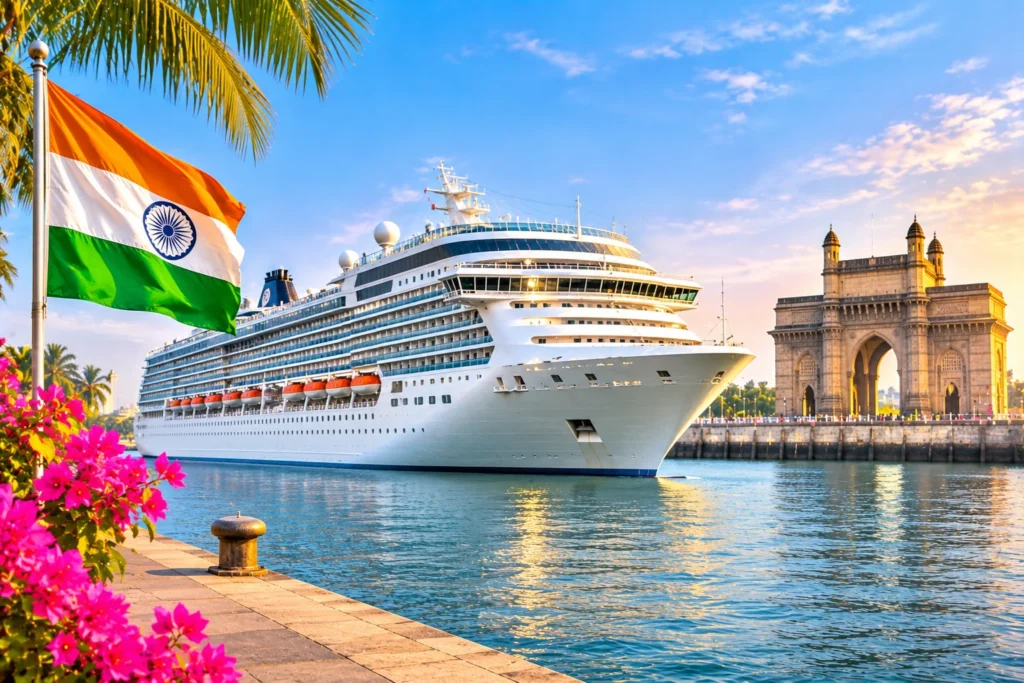
India’s maritime travel sector has initiated an expansive modernization drive aimed at doubling annual cruise passenger numbers to reach the one million passenger milestone. Propelled by the national Cruise Bharat Mission, port administrations and domestic cruise liners are accelerating terminal investments, expanding commercial berth capabilities, and integrating digitized border procedures. The concerted push comes at a transformative juncture when domestic maritime tourism has emerged as the principal engine of industry growth across the nation’s key coastal economic corridors.
Official performance statistics from the country’s major maritime gateways confirm that nine leading ports handled 212 cruise vessel calls and 4.62 lakh passengers during the recent fiscal year. Underscoring a profound domestic appetite for ocean leisure travel, home-grown coastal voyages generated seventy-eight percent of all vessel port calls and accounted for more than ninety percent of total passenger traffic. The Port of Mumbai served as the primary nexus of this movement, managing forty-five percent of overall ship calls and welcoming fifty-two percent of national passenger traffic.
Strategic Fleet Additions and Coastal Circuit Diversification
To address soaring domestic travel demand and expand holiday route options, private cruise operators are scaling vessel deployments. The induction of the vessel Cordelia Sky, alongside the scheduled addition of a third vessel, marks a structured capacity enlargement designed to support passenger growth through the next strategic planning cycle. Industry leadership affirms that domestic demand remains exceptionally resilient, positioning the sector to attain the targeted volume of one million annual travelers within the targeted statutory timeframe.
Maritime and port development authorities emphasize that achieving sustained sector longevity requires diversifying regional tourism itineraries. Strategic blueprints advocate developing specialized coastal circuits that connect prominent destinations across South India with Southeast Asian hubs, as well as establishing ocean linkages between western Indian ports and West Asia. By creating regional, multi-country cruise itineraries, destination managers aim to establish balanced year-round maritime corridors that offset short-term fluctuations in foreign vessel port calls.
World-Class Passenger Terminals and Lifestyle Waterfront Developments
In response to rising passenger volumes, port trusts and maritime boards across the coastline are heavily upgrading shore infrastructure to enhance the traveler reception experience:
Mormugao Port Modernization: In Goa, work is progressing on a dedicated 13-acre international and domestic cruise terminal representing a capital outlay of 185 crore rupees. Engineered to accommodate roll-on/roll-off cargo transport and berth four large vessels simultaneously, the complex incorporates modern check-in counters, passenger lounges, retail zones, and multi-cuisine dining arcades. Port authority schedules target domestic terminal operations by mid-2027, with the entire facility reaching full commissioning by year-end.
Southern Maritime Hubs: Having completed contemporary passenger terminals across Chennai and Visakhapatnam, Cochin Port has initiated planning for a dedicated mega-cruise terminal. Operating as an established home port, the port authority has appointed specialist technical consultants to draft a comprehensive project master plan.
Mumbai Waterfront Transformation: Expanding beyond conventional transit halls, the cruise terminal in Mumbai has launched a multi-tiered experiential lifestyle and dining center. Perched above the main embarkation gates, the waterfront complex offers curated commercial brands, entertainment venues, and leisure spaces designed to attract embarking passengers alongside local residents, transforming maritime terminals into vibrant urban tourism destinations.
Institutional Frameworks and Regulatory Facilitation Under Cruise Bharat Mission
The operational resilience of domestic cruising has proven especially vital as international ship calls experience selective reductions. Geopolitical developments across the Red Sea and adjacent shipping passages have escalated bunker fuel expenses and maritime insurance premiums, prompting several global luxury liners to temporarily adjust long-haul international deployment schedules.
Addressing the broader strategic requirements of both domestic and international operators, the Ministry of Ports, Shipping and Waterways has implemented structural reforms to position India as a globally competitive homeporting hub. Global cruise executives note that establishing permanent domestic homeport operations requires a rationalized fiscal framework that aligns coastal operational levies with prevailing international cruise standards.
To reinforce destination appeal and eliminate administrative friction at marine gateways, the Cruise Bharat Mission provides clear institutional direction and measurable performance benchmarks. Port authorities and customs agencies are rolling out standardized administrative facilitations, including:
Digital and Electronic Visas: Expanding streamlined electronic group visit visa facilities to expedite clearances for arriving tour delegations.
Automated Shore Leave Authorizations: Simplifying the issuance of temporary shore passes to encourage passengers and shipboard personnel to explore coastal heritage and culinary attractions.
Contactless Processing: Deploying quick-response code immigration verification alongside unified digital customs documentation to drastically reduce passenger clearance bottlenecks at terminal gates.
By harmonizing multi-crore infrastructure developments with digital governance and simplified border procedures, India’s cruise tourism ecosystem is systematically constructing the capacity needed to anchor its position as a premier global hub for ocean travel.
For more travel news like this, keep reading Global Travel Wire