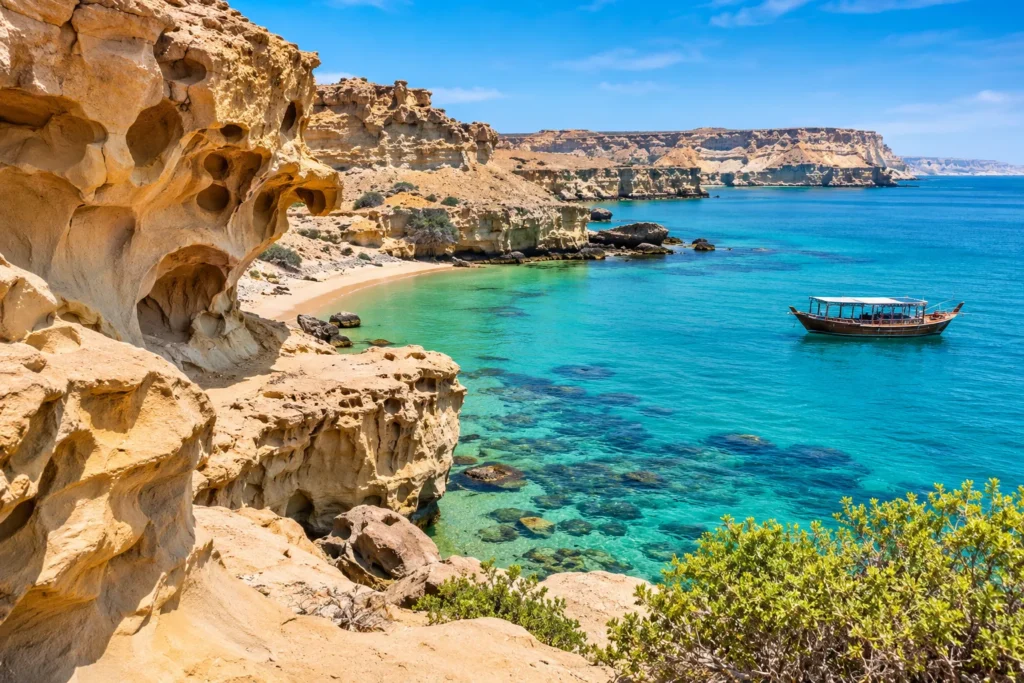
Heightened security concerns across the Persian Gulf have placed renewed international focus on the delicate balance between regional stability and ecotourism in Qeshm Island. Situated strategically along the narrow waters of the Strait of Hormuz, Qeshm represents Iran’s largest offshore territory and one of the Middle East’s most ecologically diverse destinations. Recent military events, marked by limited defensive strikes confirmed by international defense officials and emergency diplomatic consultations involving regional leadership, have drawn global attention to the vulnerabilities facing tourism and cultural heritage throughout the strategic maritime corridor.
According to official briefings from regional ministries and international observers, diplomatic negotiations remain active as authorities work to mitigate wider risks across adjacent waterways. While national leadership has affirmed its defensive readiness through formal state declarations, the wider travel sector continues to assess the ripple effects on inbound tourism, maritime transit, and environmental preservation efforts centered around the island’s celebrated natural reserves.
The Ecological and Cultural Significance of Qeshm Island
Beyond its geographic position at the mouth of the Persian Gulf, Qeshm Island occupies a distinguished place on the world map of natural sciences and cultural conservation. Designated as an official UNESCO Global Geopark, the island spans more than 1,400 square kilometers of unique geological formations, fossil beds, and fragile marine ecosystems.
Among its premier assets are the Hara Mangrove Forests, recognized under international biosphere protection programs. These protected tidal wetlands serve as critical nesting and breeding grounds for over one percent of the world’s migratory bird populations, including rare herons, pelicans, and egrets. Tourism programs developed over recent decades have centered heavily on community-based ecological excursions, solar-powered boating, and wildlife observation tours that generate sustainable livelihoods for indigenous fishing settlements.
Equally vital to the island’s tourism identity is the Namakdan Salt Complex, housing one of the longest mapped salt caves on Earth. Recognized by the International Union of Geological Sciences as a premier global geological heritage site, the cave system and its surrounding salt domes draw scientific researchers, geological enthusiasts, and adventure travelers from around the world. Natural marvels such as the Valley of Stars and the towering sandstone formations of Chahkooh Canyon further anchor an ecotourism model built around sustainable earth heritage.
Maritime Crossroads and Travel Sector Sensitivities
The intersection of geopolitical geography and international travel has long defined the tourism outlook for the Persian Gulf region. As a free-trade zone and designated tourism hub, Qeshm Island historically welcomed visitors seeking visa-free entry, traditional dhow-building shipyards at Bandar Laft, and pristine coastal reefs inhabited by native dolphin pods.
Government tourism bureaus and regional development authorities have invested heavily in expanding terminal facilities, heritage boutique lodges, and eco-resorts across the island’s coastal fringes. However, because Qeshm sits along the world’s most critical petroleum transit chokepoint, any security flare-up across the Strait of Hormuz inevitably alters commercial transit corridors, maritime passenger ferries, and regional airspace routes.
Recent official updates from transport and security authorities indicate that while regional shipping channels remain operational under heightened surveillance, international travel advisories issued by foreign ministries continue to urge caution for commercial and recreational maritime traffic throughout the southern gulf waters. The preservation of peaceful navigational corridors remains vital not only for global commerce, but also for coastal communities whose economies rely directly on charter boats, diving expeditions, and seasonal visitor arrivals.
Community Heritage and Sustainable Destination Resilience
A central tenet of sustainable ecotourism in Qeshm Island is the preservation of intangible cultural heritage, which thrives in harmony with local geology and natural resources. The historical port of Laft, famed for its centuries-old windcatchers, ancient water collection wells, and traditional Persian maritime architecture, stands as an open-air museum chronicling centuries of adaptation to arid coastal conditions.
Community conservation networks on the island have long spearheaded local environmental protection programs, ranging from community-managed Hawksbill sea turtle nesting sanctuaries in Shibderaz village to heritage craft workshops producing traditional textiles and handicrafts. Tourism board releases and municipal statements emphasize that maintaining visitor confidence is essential to safeguarding these grassroots conservation programs, which depend on steady tourist revenue to fund ecological monitoring and site preservation.
As diplomatic mediators pursue intensive dialogue to de-escalate tensions and secure stability across regional borders, global cultural and tourism organizations continue to advocate for the protection of international heritage assets. For Qeshm Island, the enduring goal remains safeguarding its ancient landscapes, biodiverse waters, and cultural treasures so that sustainable tourism can continue to flourish as an instrument of peace, environmental education, and cross-cultural understanding.
For more travel news like this, keep reading Global Travel Wire