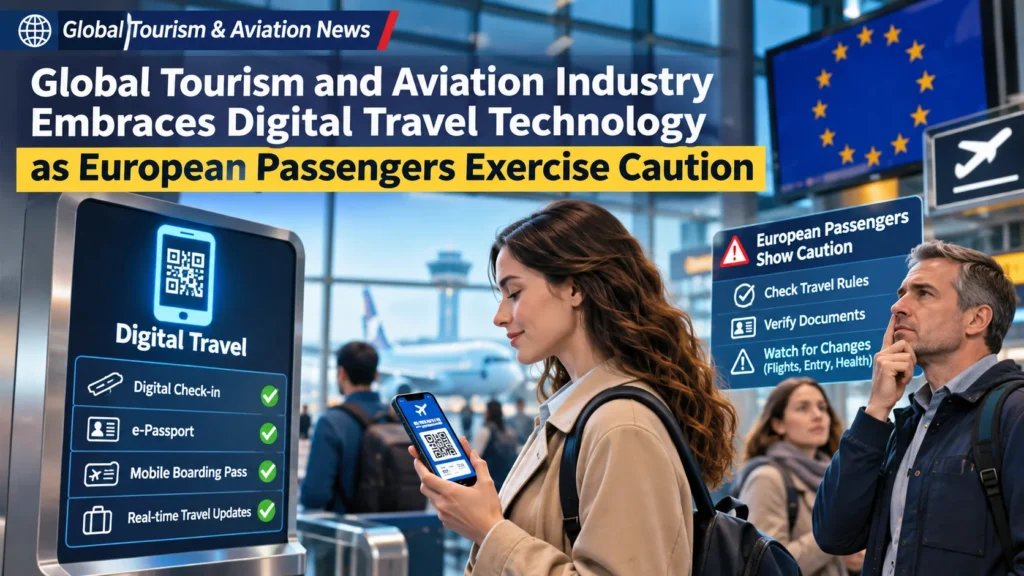
The global aviation and tourism sectors are experiencing rapid transformation as automation, biometric validation, and artificial intelligence reshape the international transit journey. Official findings released by the International Air Transport Association in its 2026 Global Passenger Survey reveal substantial global enthusiasm for paperless border clearance, while simultaneously highlighting marked regional divergences in passenger trust. Across international terminals, modern tourists are increasingly integrating smart devices and facial recognition into their journeys. However, travelers originating from European destinations remain the most hesitant demographic when prompted to share personal biometric credentials with transport operators and border authorities.
The comprehensive international survey, compiled from more than 10,000 passenger responses across 200 nations, outlines evolving traveler preferences and highlights the digital infrastructure necessary to support global visitor flows. While global acceptance of digital credentials continues to climb, individual security concerns and complicated border formalities present persistent challenges to the worldwide recovery and expansion of leisure and business travel.
Regional Contrasts in Digital Adoption and Identity Verification
The adoption of digital travel technology reveals contrasting regional attitudes toward modern transit security. According to official data from the International Air Transport Association, 78 percent of global air travelers express a willingness to share their biometric data to eliminate repetitive document inspections at boarding gates and security checkpoints. In stark contrast, European passengers registered the lowest regional openness, with only 70 percent willing to transmit biometric details for airport procedures.
Conversely, enthusiasm for automated identity verification is highest among holidaymakers and business passengers based in developing aviation markets. Travelers from the Middle East lead global sentiment, with 84 percent expressing readiness to use facial or fingerprint recognition during airport transits, closely followed by travelers across the African continent at 82 percent.
A similar division emerges regarding the deployment of digital passports for remote flight check-in. Worldwide, 84 percent of surveyed travelers demonstrate high interest in utilizing digital passports on mobile devices rather than handling physical booklets at check-in counters. European travelers once again approach this transition cautiously, with 79 percent indicating support.
Underpinning European reserve are ongoing anxieties surrounding personal cybersecurity and regulatory protections. The international survey documented that 59 percent of passengers globally express genuine fear over potential database breaches, while 49 percent worry that private identifying details may be transferred between unaffiliated commercial organizations. Furthermore, 41 percent of respondents indicated a frustrating lack of clarity regarding how governments, aviation carriers, and third-party contractors manage sensitive personal data.
The Expansion of Biometric Contactless Transit
Despite consumer hesitations, physical biometric screening is now firmly established as an everyday standard across modern civil aviation. The association confirmed that 58 percent of surveyed international passengers completed biometric screening at least once over the past twelve months. This figure demonstrates steady upward momentum in automated tourism processing, rising from 34 percent documented in 2022.
Official evaluations indicate that direct user satisfaction remains exceptionally high once travelers experience seamless biometric screening corridors. A substantial 87 percent of travelers who completed biometric verification reported positive experiences, appreciating reduced queuing times and streamlined terminal throughput.
To accelerate global deployment, the association has called on sovereign administrations and civil aviation regulators to establish coordinated international standards. Industry leadership emphasizes that worldwide consistency in issuing and validating interoperable Digital Travel Credentials will ensure travelers retain comprehensive control over their personal records while enjoying expedited terminal transit. A significant 82 percent of respondents indicated readiness to share digital passport profiles with airlines following booking and payment in exchange for custom flight updates and automated visa guidance. Moreover, 82 percent favor an integrated smartphone application that combines verified digital identification, travel payment systems, and airline loyalty passes to guide them effortlessly from departure gates to arrival lounges.
Artificial Intelligence Transforming Tourism Itinerary Planning
In addition to border screening, artificial intelligence is reshaping the foundational stages of the international travel lifecycle. Official industry research demonstrates that 49 percent of travelers now integrate artificial intelligence platforms directly into their holiday planning and destination discovery.
Among travelers relying on computational assistants, 21 percent use generative platforms to locate specific flights, while 19 percent consult automated algorithms to find the most economical airfares. Another 17 percent leverage conversational artificial intelligence as an initial source of vacation inspiration and sightseeing recommendations. This evolution has prompted aviation and destination management organizations to optimize their digital booking systems, ensuring prospective visitors can transition directly from automated itinerary chats into verified reservations.
Complex Immigration Procedures Remain a Deterrent to Global Tourism
While digital applications aim to remove friction from international tourism, administrative visa complexities continue to depress traveler mobility. The official 2026 data indicates that 43 percent of prospective travelers have abandoned visits to specific foreign destinations exclusively due to burdensome immigration hurdles, marking a notable increase from the 33 percent reported in 2025.
Administrative hurdles weigh heaviest on travelers across developing regions, with 52 percent of African passengers actively discouraged from booking international holidays due to restrictive entry protocols. Among European travelers, 38 percent reported foregoing international trips due to entry rules.
Among travelers deterred by border barriers, 53 percent attributed their decision to the excessive administrative complexity of the application process. Financial application costs deterred 17 percent, while an identical 17 percent cited privacy objections regarding required documentation.
In response, international passengers overwhelmingly favor digitized consular services. The survey established that 86 percent of travelers would willingly provide immigration data online prior to departure if it shortened border processing upon arrival. Furthermore, 45 percent prefer completing all border clearance procedures before stepping into an airport terminal, while 60 percent advocate for standardized digital eVisa channels over mandatory personal appearances at embassies and consulates. Standardizing paperless border solutions across global destinations remains essential to eliminating friction, restoring passenger trust, and accelerating international tourism growth.
For more travel news like this, keep reading Global Travel Wire