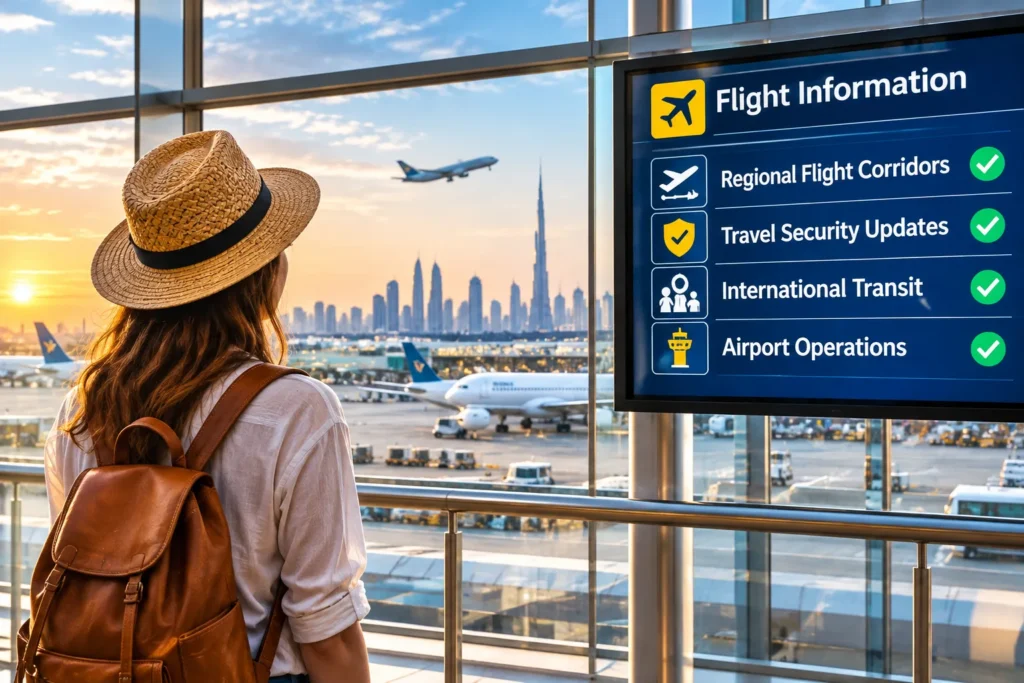
Civil aviation authorities, foreign transport ministries, and national tourism directorates across the globe are continuously monitoring airspace integrity in the Persian Gulf following confirmed military engagements and targeted defensive strikes in southern maritime zones. Official government communications confirm that tactical operations aimed at coastal defense installations near the Strait of Hormuz have prompted civil aviation regulators to issue updated navigational notices. While diplomatic negotiations coordinated through mediator governments like Qatar remain active to de-escalate tensions and secure commercial corridors, international travelers are advised to follow official travel advisories and airline guidance when moving through the region.
The latest operational reports from international aviation safety bodies highlight the resilience of civil aviation networks, even as commercial air carriers recalibrate regional transit routes. In response to dynamic security conditions over southern maritime straits, international airlines have adjusted specific flight paths connecting Europe, Africa, and the Asia-Pacific region. These precautions ensure that civil aircraft maintain safe standoff distances from active defense sectors, guaranteeing uninterrupted passenger safety while maintaining long-haul global transit schedules.
Airspace Monitoring and Aviation Safety Protocols
Aviation safety oversight agencies, including national civil aviation boards and international flight tracking directorates, maintain round-the-clock surveillance over commercial transit lanes. Civil aviation ministries have coordinated closely with air traffic management organizations to enforce strict conflict-zone advisories across key flight information regions.
Official statements from civil aviation departments emphasize several operational measures currently safeguarding passenger traffic:
Dynamic Route Planning: International airlines operating intercontinental routes are utilizing northern and southern flight paths to circumvent localized maritime airspace around southern coastal sectors, preserving flight predictability.
Continuous Air Traffic Coordination: Civil aviation commands work in direct alignment with regional air traffic control centers to verify clear flight corridors and minimize schedule disruptions.
Hub Security Protocols: Major international gateway airports throughout the Gulf region continue standard passenger terminal operations, supported by comprehensive radar monitoring and civil protection systems.
These established aviation procedures demonstrate the international air transport network’s ability to maintain passenger safety standards during periods of geopolitical uncertainty.
Diplomatic Mediation and Regional Tourism Outlook
Simultaneously, diplomatic statements from state mediators indicate sustained commitment to restoring complete maritime and airspace stability. Government officials engaged in multilateral discussions have emphasized that diplomatic channels remain open to avert wider disruption to regional infrastructure. The maintenance of these communication channels provides positive reassurance to the international hospitality and travel sectors, which rely on the continued vitality of the Middle East as a central bridge for worldwide tourism.
Tourism ministries and destination management boards in neighboring destinations have reiterated that domestic attractions, cultural heritage sites, and resort destinations remain fully accessible and welcoming to foreign visitors. Official public statements from national tourism councils emphasize that security infrastructure in premier travel hubs remains robust, with comprehensive measures in place to ensure traveler safety across coastal, cultural, and urban districts.
Government travel authorities stress that modern tourism management relies heavily on precise geographical awareness. Localized security measures implemented along remote maritime perimeter zones do not reflect the day-to-day visitor experience in established leisure and business tourism centers located hundreds of kilometers away.
Essential Guidance for International Travelers
National foreign ministries and consular departments encourage all international passengers traveling to or transiting through the wider region to exercise standard travel preparedness. Travelers can maximize their safety and minimize logistical inconveniences by consulting verified public resources before departure:
Verify Consular Advisories: Review official travel advice published directly by national foreign offices, diplomatic missions, and state departments prior to embarking on foreign journeys.
Check Carrier Bulletins Directly: Consult official airline flight status portals for real-time information regarding departure times, transit gates, and modified arrival procedures.
Register Travel Details: Take advantage of national traveler registration services provided by home country consulates to ensure rapid notification in the event of schedule modifications.
Ensure Comprehensive Travel Insurance: Choose travel protection policies that cover itinerary disruptions, route rerouting, and flight rescheduling caused by regulatory airspace adjustments.
By relying strictly on official government advisories, civil aviation announcements, and direct notices from registered transportation providers, international travelers can make informed decisions while navigating transit hubs and exploring the cultural richness of the region with confidence.
For more travel news like this, keep reading Global Travel Wire