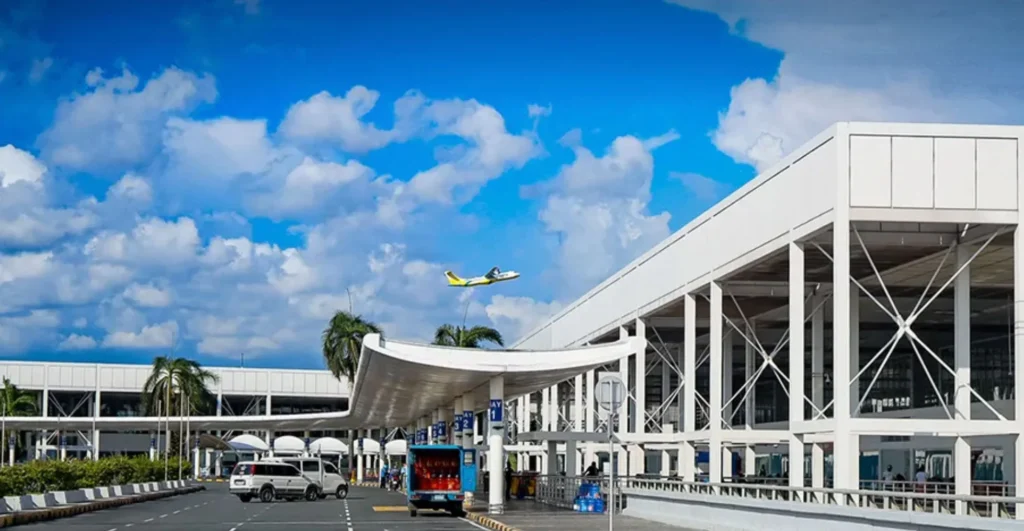
The Philippine Department of Tourism is seeking the limited return of turboprop flights to Ninoy Aquino International Airport after the relocation of regional services complicated some journeys through Manila. The proposal could give passengers arriving at NAIA easier access to destinations such as Coron, El Nido, Siargao and Naga.
Aviation authorities have yet to approve a policy change, allocate slots or identify routes for reinstatement. For travellers, the immediate question is which airport their domestic flight leaves from. Some itineraries that previously connected at NAIA now involve a road transfer to Clark or a flight through another regional hub.
Why Regional Flights Moved Out of Manila
The Manila Slot Coordination Committee introduced the relocation policy in December 2024 as part of an effort to ease congestion at NAIA. Selected services began moving in March 2025, and the deadline for transferring remaining scheduled commercial turboprop operations was later extended to 29 March 2026.
Turboprops serve regional airports where runway limitations can restrict the use of larger jets. At a busy gateway such as Manila, however, each turboprop departure uses a slot that could accommodate a larger aircraft. Moving selected services to other airports gave airlines more room to schedule flights on busier routes.
Cebu Pacific’s announced changes illustrate that trade-off. Its plans included increasing weekly Manila–Cebu services from 98 to 108 and Manila–Davao flights from 81 to 90. Returning selected turboprops would require aviation authorities to weigh the value of those regional connections against other uses of the same slots.
Palawan, Siargao and Naga Face Different Connections
Northern Palawan illustrates the difference a departure airport can make. Services to Busuanga Airport, the gateway to Coron, moved from Manila to Clark. AirSwift’s Manila–El Nido operations were also included in the March 2026 relocation.
For visitors landing at NAIA, an onward flight from Clark adds a road journey and a second airport check-in. A family travelling with luggage may need to reconsider whether both flights fit comfortably into the same day.
Cebgo’s Manila–Naga flights also moved to Clark, changing one route into the Bicol Region. For Siargao, the practical alternative may be a flight through another domestic hub. The best connection therefore varies by destination and travel date. The tourism department’s proposal leaves each individual route subject to a separate decision.
Clark Gains a Larger Role in Domestic Travel
Clark International Airport in Pampanga gives airlines a base for regional services outside Metro Manila. For passengers starting their journeys north of the capital, a Clark departure can be convenient. The same flight presents a different calculation for an international visitor arriving at NAIA.
That difference is central to the debate. A limited return could improve connections for passengers already travelling through Manila, while Clark continues to serve travellers for whom it is the more practical gateway. The balance would depend on which routes authorities approve and how airlines schedule them.
Why Connection Times Matter to Tourism Businesses
For resorts and tour operators, the timing of a domestic flight can shape what visitors do on arrival day. A connection that reaches an island late may leave less time for a boat transfer, a hotel check-in or a prebooked excursion. An easier connection could make a short stay more workable for travellers with limited holiday time.
Any benefit would depend on where restored flights go and whether their schedules align with international arrivals. A route with a poorly timed departure may still require an overnight stay in Manila. Hotels and local transport operators would need to see the actual timetable before adjusting services around new arrivals.
What Travellers Should Check Before Booking
Passengers should compare the arrival and departure airports on their full itinerary before booking. When a connection involves NAIA and Clark, the available time needs to cover the road transfer, baggage collection and check-in at the second airport.
Ticketing arrangements matter too. Travellers booking the flights separately should check what each airline will do if a delay causes a missed connection. Regional baggage allowances may also differ from those on the international leg.
Until authorities approve any return of NAIA turboprop flights, published schedules remain the basis for planning. For a trip to Coron, El Nido, Siargao or Naga, the most useful comparison is the total journey time to the destination, including any airport change and the onward transfer after landing.
For more travel news like this, keep reading Global Travel Wire