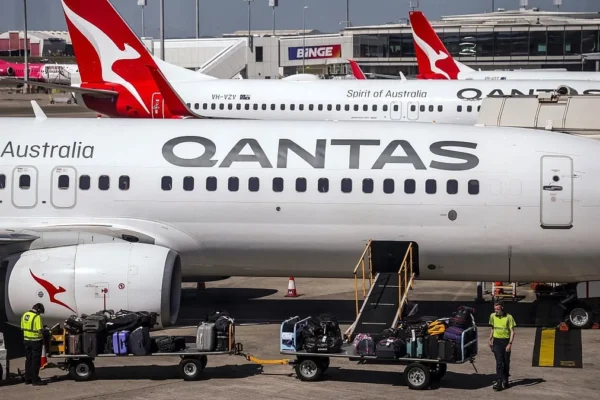
Qantas Group has entered a multi-year agreement with Accenture to modernise its technology as it undertakes its largest aircraft renewal programme to date. The group operates more than 1,000 legacy applications. The agreement aims to connect data held across those systems, simplify corporate processes and expand the use of artificial intelligence.
The proposed changes are expected to affect around 850 roles over several years. Qantas plans to consult employees and unions before determining individual outcomes, with the first changes expected by mid-2027. Selected corporate services would move to Accenture, which would deliver most of that work from India and some from Australia.
The technology work will initially focus on corporate functions. Qantas also wants the upgraded systems to support customer service and airline operations over time.
Why Qantas Is Connecting Its Older Systems
Many of the applications Qantas uses were built when individual systems had less need to share information. As those applications accumulated, separate teams could end up working with data held in different places. Replacing an older application addresses one part of the problem. Qantas also needs to decide how information moves between teams and where existing processes can be simplified.
The group says thousands of employees already use AI tools in their daily work. The next phase depends on making business data available across the systems that support those employees. For staff, the practical difference would come when they can complete a task with fewer manual steps or spend less time finding information in separate applications.
Accenture will make an upfront investment in modernising Qantas’s data platforms. The agreement also envisages further automation as the partners redesign selected processes. The amount of Accenture’s upfront investment and a timetable for individual system upgrades were not specified.
Consultation Will Shape What Happens to Affected Roles
The estimate of around 850 affected roles covers proposed changes over several years. It does not establish how many employees will ultimately leave the group. Qantas Group Chief Executive Vanessa Hudson said the company would prioritise redeployment where possible and offer retraining, reskilling and support.
The changes come as Qantas continues recruiting in other areas. The group reports an Australian workforce of about 28,000 and says it has created more than 4,400 operational jobs since 2023, including roles for pilots, cabin crew and engineers.
Those figures describe different parts of the business. The Accenture agreement changes how selected corporate services would be delivered, while fleet renewal and airline operations create separate staffing needs. Consultation will help determine which employees can move into other roles and what training they would need.
Adelaide Centre Forms Part of Annual Technology Spending
Qantas says it spends more than A$1 billion a year on technology. That figure covers broader group investment, including the Qantas Product Innovation Centre in Adelaide, where the workforce is expected to grow to more than 400 roles. It is separate from the upfront investment Accenture will make under the agreement.
The Adelaide centre and the Accenture partnership address different parts of the technology programme. The partnership focuses initially on data platforms and corporate services. The centre provides a base for Qantas to develop products as it invests in the systems that support the wider airline.
Fleet renewal adds another dimension to that work. Bringing new aircraft into service requires operational teams to coordinate staffing, engineering and other preparations. Technology upgrades can support that coordination if teams can access the information they need as aircraft enter the fleet.
What Passengers Could See Over Time
New aircraft are a visible part of fleet renewal. Changes to the systems behind an airline tend to become apparent through specific interactions, such as how consistently customers receive information or how quickly staff can respond to a request.
Qantas has identified customer experience and operational reliability as areas it wants the modernisation to support. The agreement does not set a launch date for a passenger-facing feature or quantify a change in reliability. Any improvement will depend on how the upgraded systems are introduced and used in day-to-day operations.
The first planned milestone is the start of corporate changes by mid-2027, following consultation. For travellers and travel managers, the clearest sign of progress will be a specific service improvement they can see when booking, changing or taking a Qantas flight.
For more travel news like this, keep reading Global Travel Wire