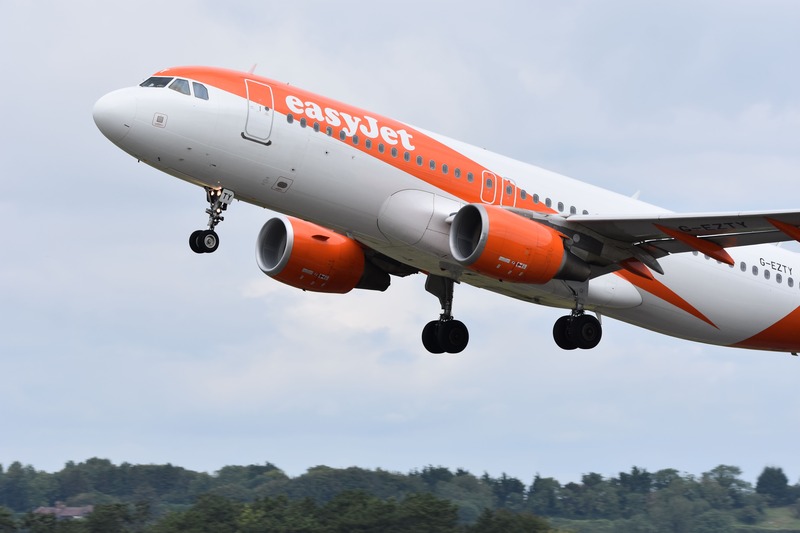
The future of EasyJet is set to take a major turn after shareholders approved a £5.7bn takeover by US private equity group Apollo Global Management. The decision brings the low-cost airline closer to a change in ownership, marking a significant development for the UK aviation industry and its international travel market. The transaction is expected to be completed by the end of March 2027, subject to the remaining formalities.
The approval, secured at a shareholder meeting on Wednesday, saw 97.07% of investors vote in favour of the proposed acquisition. The agreement will see the Luton-based airline move into US ownership, bringing its more than 26-year presence on the London Stock Exchange to an end. The development marks a notable shift for one of Britain’s best-known budget carriers, with potential implications for its future business direction and operations.
unto.me
Apollo Secures EasyJet Takeover After Competition
Apollo Global Management secured the deal following a takeover contest with fellow US investment firm Castlelake. In August 2026, EasyJet’s board agreed to Apollo’s offer of 715 pence per share, paving the way for the acquisition to move forward.
The proposed £5.7bn transaction represents a major investment in the European aviation sector. Apollo already has interests in other businesses, including The Restaurant Group, which operates the popular Wagamama restaurant chain.
With shareholder approval now in place, attention will turn towards completing the remaining stages of the transaction. If everything proceeds as planned, the acquisition will be finalised by the end of March 2027.
EasyJet Reviews Potential Head Office Job Cuts
Alongside the ownership transition, EasyJet is understood to be consulting on proposals that could affect its head office workforce. The discussions reportedly include the possibility of cutting up to approximately 50 positions from its head office team of around 2,300 employees.
Although the proposed reductions represent a relatively small proportion of the overall workforce, the development adds another dimension to the airline’s changing corporate landscape. The potential impact on employees will remain an important consideration as the company prepares for its next phase under new ownership.
The airline’s operational activities and wider workforce will also be closely watched as the acquisition progresses.
What the Takeover Means for EasyJet’s Future
EasyJet has built its position in the European aviation market through its low-cost business model, extensive short-haul network and focus on affordable air travel. The change in ownership comes at an important time for the airline industry, as carriers continue to navigate competitive pressures, operating costs and changing passenger expectations.
For travellers, the immediate implications of the acquisition remain unclear. The shareholder approval primarily confirms the ownership transition rather than announcing any specific changes to flight schedules, ticket prices, routes or passenger services.
The completion of the transaction in 2027 will provide a clearer picture of Apollo’s longer-term plans for the airline.
The approval of Apollo’s £5.7bn acquisition marks the beginning of a new chapter for EasyJet, a carrier that has played an important role in making European air travel more accessible over the past two decades. While the ownership change is expected to reshape the company’s corporate direction, passengers and employees will be watching closely for signs of what comes next. With completion targeted for March 2027, the focus now shifts to how Apollo intends to steer the airline’s future while maintaining its position in an increasingly competitive aviation market.