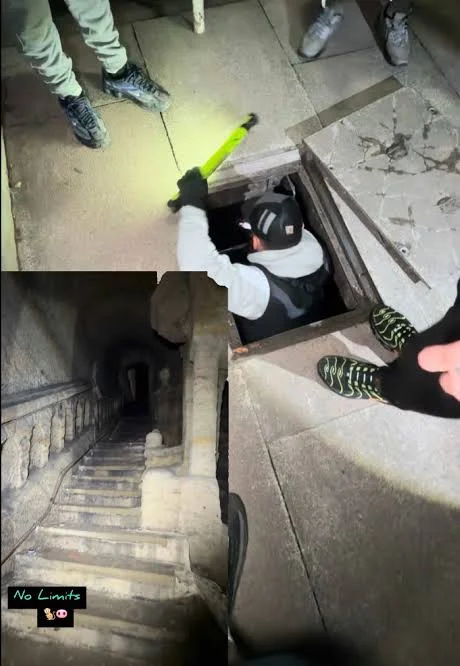
Viral videos of remote expeditions and journeys through unstable regions are drawing attention to extreme travel safety among British holidaymakers. Dramatic footage can inspire interest in unfamiliar destinations, while leaving viewers with limited information about security, transport and emergency support.
For travellers considering similar journeys, the immediate task is to assess the complete itinerary before booking. Destination-specific government advice, insurance conditions and the availability of medical assistance can all affect whether a proposed trip is practical.
Social Media Shows Only Part of the Journey
Adventure videos often centre on memorable encounters, difficult landscapes and the achievement of reaching an unusual destination. Editing can compress weeks of preparation into a few minutes of footage.
Viewers may see little of the planning behind the camera. Local contacts, transport arrangements, communications equipment and contingency plans can be essential parts of an expedition.
A creator’s successful journey also describes conditions at a particular time. Political developments, weather and transport availability may change before another traveller arrives.
Understanding those differences helps holidaymakers judge what an online experience would involve for them.
Country Names Need Precise Itineraries
Broad destination labels can obscure significant differences between places. The Republic of the Congo and the Democratic Republic of the Congo, for example, are separate countries.
The Congo Basin extends across several Central African nations. A video filmed within that region provides limited information about conditions elsewhere.
Travellers need to identify their intended country, arrival point, route and overnight stops before assessing the journey. Remote forest travel and a city visit may involve very different logistical requirements.
The same attention to location matters when reading advice about countries where risks vary between regions or border areas.
Official Travel Advice Helps Establish the Conditions
The Foreign, Commonwealth & Development Office publishes country-specific information covering security, entry requirements, local laws and health considerations.
Travellers can use that guidance to examine the locations included in their plans. Particular attention belongs on the proposed route, including any areas crossed between accommodation and activities.
Advice may change as conditions develop. Reviewing it during planning and again before departure helps travellers identify developments affecting their arrangements.
For complex itineraries, a destination specialist should be able to explain how the programme responds to the conditions described in official guidance.
Insurance Requires More Than a Purchase Confirmation
Travellers considering remote or challenging journeys need to understand the scope of their insurance before committing money.
Policy conditions may address destinations, government travel warnings and activities requiring additional cover. Medical evacuation arrangements also deserve attention where access to treatment is limited.
A written description of the itinerary gives an insurer a clearer basis for answering questions about cover. Travellers should identify activities, remote overnight stays and any specialist transport involved.
The relevant policy wording and the insurer’s response will help establish what assistance is available and which exclusions apply.
Emergency Planning Matters Beyond Mobile Coverage
Remote journeys can place travellers far from dependable roads, hospitals or communications networks. That makes preparation especially relevant when plans change.
Sharing an itinerary with a trusted contact provides a starting point. Agreed check-in times and instructions for missed contact can make that information more useful.
Live location sharing depends on connectivity and device power. Travellers should understand what communications will work throughout their route and who will respond if assistance is requested.
Operators can explain the equipment they carry, their emergency procedures and the practical limitations of reaching outside help.
Specialist Experience Changes the Preparation Required
An expedition may involve guides, detailed route research and equipment selected for the environment. Those arrangements take time and resources.
Holidaymakers should ask operators about guide qualifications, transport providers and procedures for changing an itinerary. Clear answers help customers understand the service they are purchasing.
Experience also matters when assessing personal readiness. Physical demands, isolation and unfamiliar conditions can affect travellers differently.
An honest assessment of skills and expectations helps determine whether a proposed journey fits the people taking part.
Adventure Planning Starts With the Full Picture
Social media can introduce travellers to landscapes and communities they might otherwise overlook. Turning that interest into a booking requires more information.
The practical questions concern access, accommodation, local rules, medical support and the arrangements available if the journey is interrupted.
For UK holidaymakers, careful planning begins with a precise itinerary and current destination information. The most useful travel inspiration is supported by enough detail to understand what happens beyond the camera.
For more travel news like this, keep reading Global Travel Wire