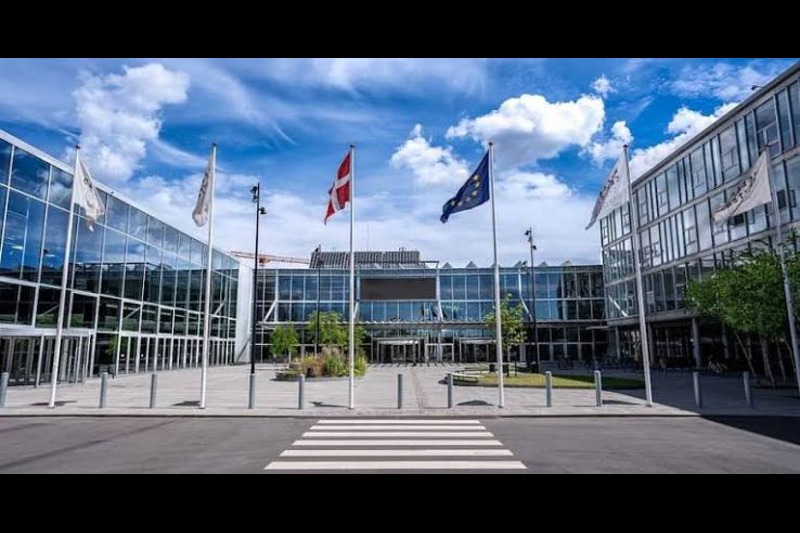
The global business events industry is increasingly placing sustainability at the centre of destination planning, with convention centres across Denmark, Germany, Japan, the United Kingdom and the United States embracing renewable electricity to reduce their environmental impact. As international conferences, exhibitions and corporate gatherings grow in scale, venues are investing in cleaner energy solutions to support more responsible event operations and strengthen their appeal to sustainability-conscious organisers.
From Copenhagen and Hamburg to London, Minneapolis and Fukuoka, convention centres are adopting different approaches to clean energy, including rooftop solar panels, wind power agreements, renewable electricity certificates and long-term procurement arrangements. This growing transition is reshaping sustainable events, offering the global MICE industry new opportunities to reduce operational emissions while supporting greener business tourism.
For event organisers, venue sustainability is becoming an increasingly important consideration. Electricity consumption, alongside travel, accommodation, catering, exhibition construction and logistics, contributes to the environmental footprint of large gatherings. Renewable-powered venues are therefore emerging as an important part of the industry’s broader transition towards more environmentally responsible event planning.
Denmark’s Bella Center Copenhagen has moved to 100% renewable electricity from July 2026, as part of Bellagroup’s wider sustainability programme across its Copenhagen hospitality portfolio. The venue combines its own solar generation with long-term power purchase agreements linked to renewable electricity sources in Denmark.
Its rooftop solar installation covers approximately 16,000 square metres and generated more than 2.4 million kilowatt-hours of electricity in 2025, meeting around 42.3% of the venue’s electricity consumption. The remaining electricity requirements are supported through agreements connected to wind turbines in Thy, north-western Denmark, and a solar park in Stenlille on Zealand.
Bellagroup expects the transition to reduce annual greenhouse gas emissions by approximately 4,500 tonnes of carbon dioxide equivalent, representing around 28% of its 2025 carbon footprint. The company also reports having surpassed its 2030 Science Based Targets for Scope 1 and Scope 2 emissions.
Beyond energy procurement, Bella Center Copenhagen offers event impact reports and planning guidelines to help organisers assess sustainability considerations, including catering, waste, materials and transport. Its B Corp certification, achieved in 2025, further reflects its wider approach to corporate responsibility.
Germany and the UK Strengthen Sustainable Convention Infrastructure
Germany’s CCH – Congress Center Hamburg has been using 100% renewable electricity since 2011, making it an established example of clean energy procurement within the European convention sector. Its sustainability initiatives extend to energy-efficient building systems, heat recovery and water-saving technologies. The centre received DGNB Gold certification in 2023, reflecting its recognised building sustainability performance.
In the United Kingdom, ExCeL London matches its electricity consumption with Renewable Energy Guarantees of Origin (REGO), supporting renewable electricity generation. The venue also has solar installations and a broader environmental programme focused on waste reduction and efficient operations.
ExCeL London has set targets to reduce Scope 1 and Scope 2 emissions by 50% by 2030 and achieve net-zero emissions by 2045. These commitments reinforce the importance of energy management in large-scale exhibition infrastructure, where lighting, digital displays, audiovisual equipment and building services can require substantial electricity.
Japan and the United States Expand Renewable Energy Solutions
Japan and the United States are also contributing to the transition, with convention and exhibition facilities in Fukuoka and Minneapolis adopting renewable energy approaches to support greener operations.
Fukuoka’s exhibition facilities are using certificate-backed electricity arrangements, helping venues address their electricity-related environmental impact through renewable energy procurement. Such programmes provide an alternative for facilities where large-scale on-site renewable generation may be constrained by building design or available space.
The Minneapolis Convention Center combines solar installations with renewable electricity sourced through wind and solar arrangements. Its approach demonstrates how convention facilities can integrate on-site generation and external renewable supply to support operational energy requirements.
These developments highlight the range of strategies available to major event destinations. While the infrastructure, procurement systems and certification frameworks differ between countries, the common objective is to make convention facilities more environmentally responsible and attractive to organisers seeking measurable sustainability progress.
Renewable Electricity Becomes a Key Consideration for Global Event Planning
The shift towards renewable electricity is giving international event planners another way to evaluate destinations and convention infrastructure. Venues that can demonstrate transparent energy sourcing and environmental reporting may offer advantages to associations, corporations and exhibition organisers with sustainability commitments.
However, renewable electricity alone does not make an event carbon-neutral. Delegate flights, ground transport, hotel stays, freight, catering and exhibition materials remain significant contributors to event emissions. Electricity certificates, physical renewable generation and carbon offsets also represent different approaches and should not be treated as interchangeable.
As convention centres across Denmark, Germany, Japan, the UK and the US continue investing in cleaner electricity, sustainability is becoming more closely linked with destination competitiveness. The industry’s next challenge will be ensuring that environmental commitments translate into measurable results, transparent reporting and meaningful reductions across the entire event experience.