Thailand and Sri Lanka are taking another step towards strengthening their tourism relationship, with a new mutual visa exemption agreement set to make travel between the two destinations easier. The Thai Cabinet has approved a 30-day visa exemption for ordinary passport holders from both countries, opening up fresh opportunities for tourism, cultural exchanges and religious journeys once the agreement officially comes into force.
The proposed Thailand-Sri Lanka visa exemption is expected to simplify short-term travel for citizens of both nations, allowing them to visit, leave or transit through the other country without obtaining a visa in advance. Under the arrangement, travellers will be permitted to stay for up to 30 days per visit, with a maximum cumulative stay of 90 days within any 180-day period. The development is particularly significant for the two countries, which share longstanding cultural connections and strong Buddhist traditions.
Thailand and Sri Lanka Move Towards Easier Travel
The approval was granted by Thailand’s Cabinet on November 17, 2026, following Sri Lanka’s earlier Cabinet approval of the proposed agreement in October. The decision reflects the willingness of both governments to strengthen bilateral relations while encouraging greater people-to-people interaction through tourism.
According to Deputy Government Spokesperson Ploythalay Laksameesaengjan, the agreement will allow ordinary passport holders from both countries to enter, exit and transit without requiring a prior visa for eligible short-term visits.
However, the arrangement is not yet operational. Thailand has authorised its Foreign Minister or a designated representative to sign the agreement, while the Ministry of Foreign Affairs will oversee the remaining formalities. The exemption will officially take effect on the 60th day after both governments have exchanged written diplomatic notifications confirming the completion of their respective domestic procedures.
Until that process is completed and an official commencement date is announced, travellers must continue to follow the existing visa and entry requirements.
A Boost for Buddhist Tourism and Cultural Exchanges
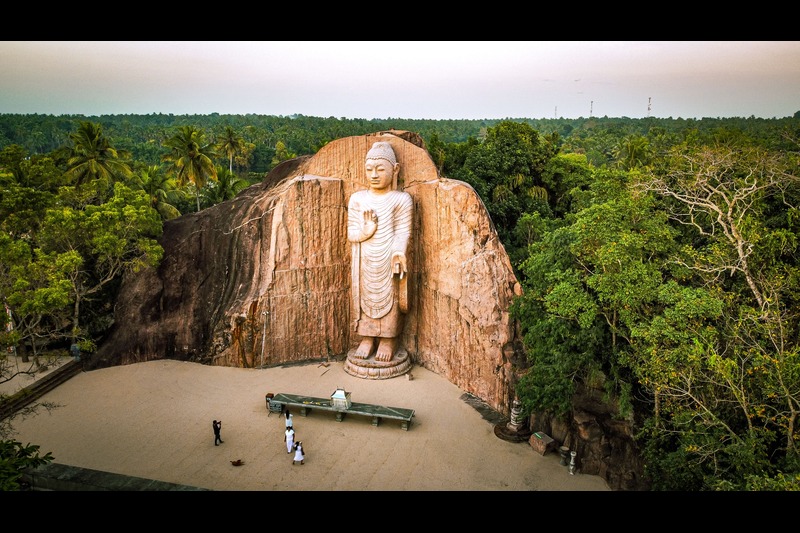
Beyond making international travel more convenient, the agreement carries considerable potential for religious and cultural tourism. Thailand and Sri Lanka share deep-rooted Theravada Buddhist traditions, with centuries of religious connections reflected in their temples, monasteries, pilgrimage centres and cultural heritage.
For Sri Lankan travellers, Thailand offers a combination of spiritual experiences and popular holiday destinations. Bangkok’s magnificent temples, Chiang Mai’s historic monasteries and Phuket’s coastal attractions provide opportunities to combine religious exploration with leisure travel.
Similarly, Thailand has a strong connection with Sri Lanka’s Buddhist heritage. The Temple of the Sacred Tooth Relic in Kandy, the ancient religious sites of Anuradhapura and the country’s historic Buddhist monuments remain important attractions for Thai visitors seeking spiritual and cultural experiences.
The removal of advance visa requirements is expected to make short pilgrimage trips, family visits and multi-destination holidays easier to organise. Travel companies and tour operators could also find new opportunities to develop packages connecting the two destinations, particularly around religious festivals and heritage experiences.
While the agreement offers greater flexibility, certain conditions will apply. The exemption is intended for general tourism and short-term visits rather than long-term stays or professional activities.
Travellers planning to remain in either country for more than 30 days will need to obtain the appropriate visa. The same requirement applies to individuals travelling for employment, education, media-related work or other activities that require prior authorisation from the destination country’s authorities.
The agreement also includes provisions allowing either country to suspend the arrangement, wholly or partially, on grounds relating to public order, public health or national security. Such a suspension must be communicated through diplomatic channels with at least 30 days’ notice. Either government may also terminate the agreement through written notification, with termination taking effect 90 days after the other party receives the notice.
Strengthening Regional Tourism Connections
The visa exemption initiative comes amid broader efforts to deepen cooperation between Thailand and Sri Lanka. In September 2026, Thailand’s Cabinet approved labour agreements with Sri Lanka, with an initial target of bringing approximately 10,000 Sri Lankan workers to Thailand. The latest tourism-related decision adds another dimension to the growing relationship between the two nations.
For the wider Southeast Asian and South Asian travel markets, easier movement between neighbouring destinations can encourage new travel combinations and strengthen regional tourism networks. The proposed arrangement could particularly benefit travellers interested in Buddhist heritage, cultural discovery and short international holidays.
As both governments move towards completing the formalities, the proposed agreement signals a positive direction for tourism cooperation. Once implemented, the 30-day mutual visa exemption could make Thailand and Sri Lanka more accessible to each other’s citizens, encouraging visitors to experience their shared heritage while discovering the distinct attractions of both destinations. For travellers and the tourism industry alike, it represents an encouraging step towards a more connected regional travel landscape.