The global aviation and tourism industry is undergoing another shift as American Airlines introduces higher checked baggage fees and reduces certain economy-class benefits. The move reflects a broader industry response to rising fuel costs and increasing operational pressures that are reshaping travel experiences worldwide.
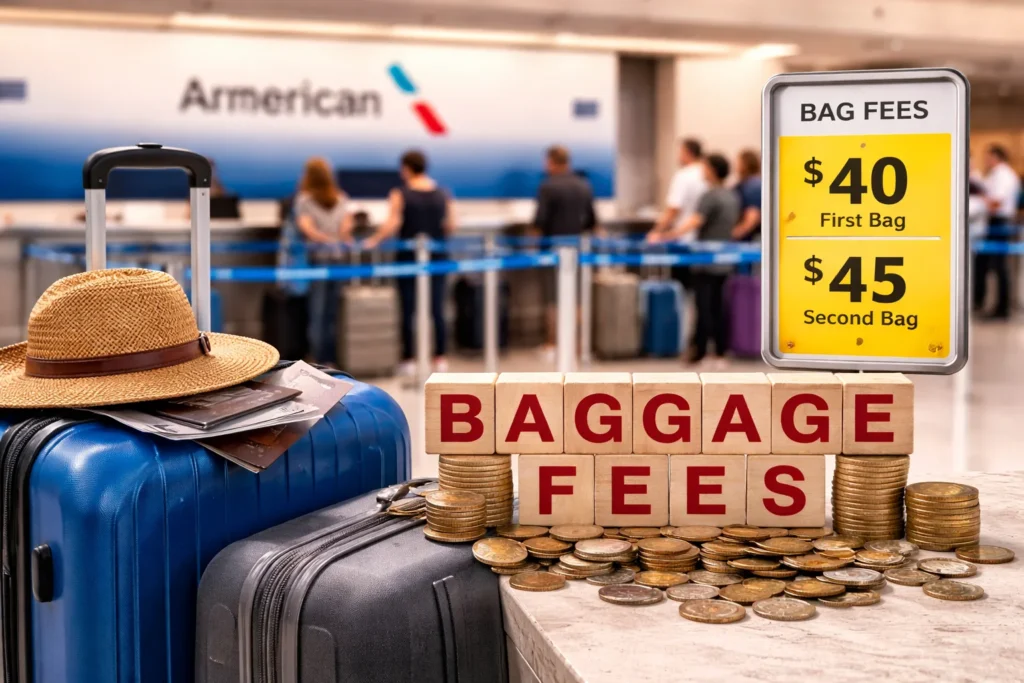
According to official airline announcements, American Airlines has implemented a fee increase for checked baggage on domestic and short-haul international routes. The first and second checked bags will now cost more, while the fee for a third checked bag has also been raised significantly. These adjustments are part of a wider strategy to offset escalating expenses linked to fuel prices and operational demands.
Fuel costs remain one of the most critical factors influencing airline pricing. Industry data from aviation authorities shows that Aviation Turbine Fuel prices have risen sharply in recent months due to global supply disruptions and geopolitical developments. Fuel expenses can account for a substantial portion of airline operating costs, making price volatility a key challenge for carriers.
The impact of these changes extends beyond baggage fees. Economy-class passengers will also experience reduced onboard perks, including additional charges for seat selection and limited access to certain benefits that were previously included. These adjustments highlight a growing trend within the aviation sector, where airlines are unbundling services and introducing tiered pricing models to manage costs effectively.
From a tourism perspective, the changes introduced by American Airlines reflect a broader shift in how travel is priced and experienced. Airlines are increasingly focusing on ancillary revenue streams, such as baggage fees and seat selection charges, to maintain profitability in a challenging economic environment. This approach allows carriers to keep base ticket prices competitive while generating additional income through optional services.
For travelers, the rise in baggage fees and reduced economy perks may influence travel planning and budgeting. Tourists are now required to consider additional costs when booking flights, particularly for trips that involve multiple bags or specific seating preferences. Tourism authorities recommend reviewing airline policies carefully and planning accordingly to avoid unexpected expenses.
The changes also highlight the evolving nature of airline competition. While premium cabin passengers continue to enjoy benefits such as complimentary baggage, economy travelers are increasingly facing a pay-for-service model. This differentiation allows airlines to cater to diverse customer segments while optimizing revenue streams.
In the United States, the aviation sector plays a vital role in supporting domestic and international tourism. Official statistics from transportation authorities indicate that millions of passengers rely on air travel for business and leisure purposes each year. Adjustments in pricing structures can therefore have a significant impact on travel patterns and tourism demand.
Globally, airlines are adopting similar strategies to cope with rising costs. Measures such as increasing ticket prices, introducing fuel surcharges, and adjusting service offerings are becoming common across the industry. These actions reflect the need for airlines to balance operational sustainability with customer expectations.
The rise in fuel prices has been a major driver of these changes. Global energy markets have experienced fluctuations due to supply constraints and geopolitical tensions, affecting the cost of jet fuel. As a result, airlines are compelled to pass on some of these costs to passengers through higher fees and charges.
Despite these challenges, the aviation industry continues to focus on maintaining connectivity and service quality. Investments in modern aircraft, fuel-efficient technologies, and digital innovations are helping airlines improve efficiency and reduce long-term costs. These efforts are essential in supporting the growth of global tourism and ensuring a reliable travel experience.
For travelers, the current environment underscores the importance of strategic planning. Booking flights early, traveling with minimal baggage, and exploring different fare options can help manage costs effectively. Staying informed about airline policies and updates is also crucial, as pricing structures may continue to evolve.
Tourism authorities emphasize that air travel remains a key enabler of global mobility and economic development. While rising costs may present short-term challenges, the industry’s resilience and adaptability continue to support long-term growth. Destinations worldwide are working to attract visitors through diverse offerings and improved travel experiences.
Looking ahead, the trajectory of airline pricing will depend on several factors, including fuel market trends, operational efficiency, and global travel demand. As airlines adjust to changing conditions, travelers can expect continued innovation in pricing models and service offerings.
The decision by American Airlines to raise baggage fees and adjust economy perks reflects a broader transformation within the aviation sector. By adapting to rising costs and shifting market dynamics, airlines are navigating a complex landscape while maintaining their role as a cornerstone of global tourism.
As the travel industry evolves, passengers are encouraged to remain flexible and informed. Understanding the factors driving these changes can help travelers make better decisions and enjoy a smoother journey, even in a rapidly changing aviation environment.
For more travel news like this, keep reading Global Travel Wire