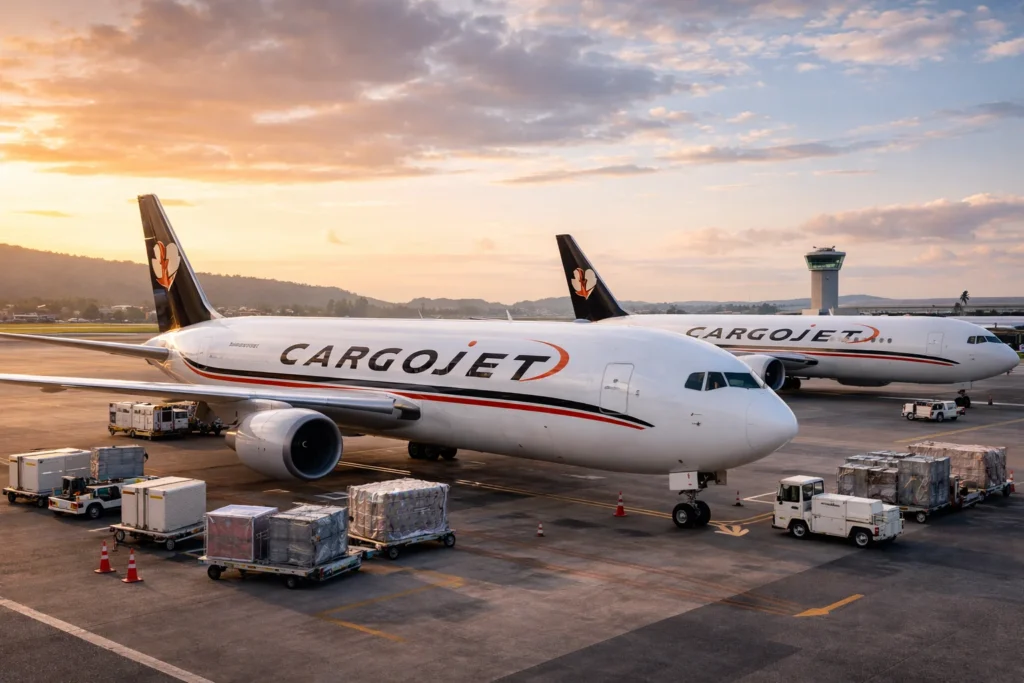
Canada’s leading cargo airline Cargojet Airways has announced a strategic decision to divest its minority stake in a United States-based cargo operator, marking a significant shift in its operational focus. The move is aimed at strengthening its domestic network and enhancing efficiency in cargo operations that play a vital role in supporting tourism supply chains and global travel infrastructure.
According to official statements from the airline’s leadership, the divestment of its 25 percent stake is part of a broader strategy to streamline investments and concentrate on areas where the company holds a clear competitive advantage. The decision reflects a growing trend in the aviation sector where companies are optimizing their portfolios to align with evolving market demands and operational priorities.
Cargojet has emphasized that this restructuring will allow it to allocate capital more effectively toward its core strengths, including domestic cargo services, aircraft leasing, and charter operations. These services are critical components of the aviation ecosystem, ensuring the timely movement of goods that support tourism, hospitality, and related industries.
Government aviation policies in Canada have consistently highlighted the importance of a strong and resilient cargo network. Air cargo plays a crucial role in maintaining supply chains, particularly for remote regions and tourism-dependent destinations. By focusing on its domestic capabilities, Cargojet is aligning with national priorities aimed at enhancing connectivity and economic resilience.
The airline’s decision also reflects the increasing importance of specialized cargo operations in the post-pandemic travel landscape. As tourism rebounds, the demand for efficient logistics has grown significantly. From transporting essential goods to supporting e-commerce and hospitality sectors, cargo airlines are becoming indispensable to the smooth functioning of global travel systems.
Despite the divestment, Cargojet has indicated that it will continue to collaborate with its former partner on select commercial opportunities. This approach ensures that operational synergies and strategic partnerships remain intact, even as the company refocuses its investment strategy. Such collaborations are often encouraged within the aviation industry to maintain efficiency and flexibility.
The airline originally invested in the US-based cargo operator in 2021 through a joint venture structure. This partnership allowed both entities to expand their reach and capabilities across North America. However, as market conditions evolve, companies are reassessing their long-term strategies to ensure sustainable growth and profitability.
Cargojet’s fleet and operational capabilities remain robust, with a diverse range of aircraft designed to handle various cargo requirements. The airline’s focus on modernizing and optimizing its fleet aligns with broader industry goals of improving efficiency and reducing environmental impact. Government aviation authorities have been encouraging airlines to adopt more sustainable practices, including fuel-efficient aircraft and optimized flight operations.
From a tourism perspective, the role of cargo airlines is often understated but critically important. Efficient cargo networks ensure that hotels, restaurants, and tourism facilities receive the supplies they need to operate smoothly. This includes everything from food and beverages to equipment and essential goods that enhance the visitor experience.
Tourism boards and ministries have increasingly recognized the link between aviation logistics and tourism growth. Improved cargo connectivity supports destination readiness, enabling regions to handle higher volumes of visitors while maintaining service quality. Cargojet’s strategic shift is expected to contribute positively to this ecosystem by strengthening its operational focus.
The divestment also highlights the dynamic nature of the global aviation industry. Airlines are continuously adapting to changing economic conditions, regulatory frameworks, and market opportunities. By prioritizing its domestic network, Cargojet is positioning itself to respond more effectively to local demand while maintaining its role in international logistics.
Official aviation statistics indicate that cargo volumes have remained strong, even as passenger travel fluctuates. This resilience underscores the importance of cargo operations in sustaining the broader aviation sector. Airlines that can efficiently manage both cargo and passenger services are better equipped to navigate market uncertainties.
In Canada, aviation authorities have been working to enhance infrastructure and support airline operations through policy initiatives and investments. These efforts aim to ensure that the country remains competitive in the global aviation market while supporting economic growth and tourism development.
Cargojet’s decision to streamline its investments is also expected to improve operational efficiency. By focusing on its core areas, the airline can optimize resource allocation, enhance service reliability, and strengthen its market position. This approach aligns with industry best practices and government recommendations for sustainable aviation growth.
Looking ahead, the airline’s strategic realignment could pave the way for further innovations in cargo operations. As technology continues to evolve, cargo airlines are exploring new solutions to improve efficiency, reduce costs, and enhance service delivery. These advancements are likely to benefit the tourism sector by ensuring more reliable and efficient supply chains.
The continued collaboration between Cargojet and its former partner also suggests that strategic partnerships will remain an important aspect of the aviation industry. Such partnerships enable airlines to leverage shared resources and expertise, creating a more resilient and adaptable network.
Ultimately, Cargojet’s divestment marks a significant step in its journey toward focused growth and operational excellence. By aligning its strategy with national aviation priorities and industry trends, the airline is reinforcing its role as a key player in the cargo sector.
As tourism continues to recover and expand, the importance of efficient logistics cannot be overstated. Cargojet’s renewed focus on its domestic network and core operations is expected to support this growth, ensuring that destinations remain well-connected and fully equipped to स्वागत travelers from around the world.