Dubai’s position as a global aviation and tourism hub is facing renewed pressure as authorities limit foreign airline operations to one daily flight until 31 May. The temporary restriction is reshaping travel flows, airline operations, and tourism demand, with Indian carriers expected to experience the most significant impact.
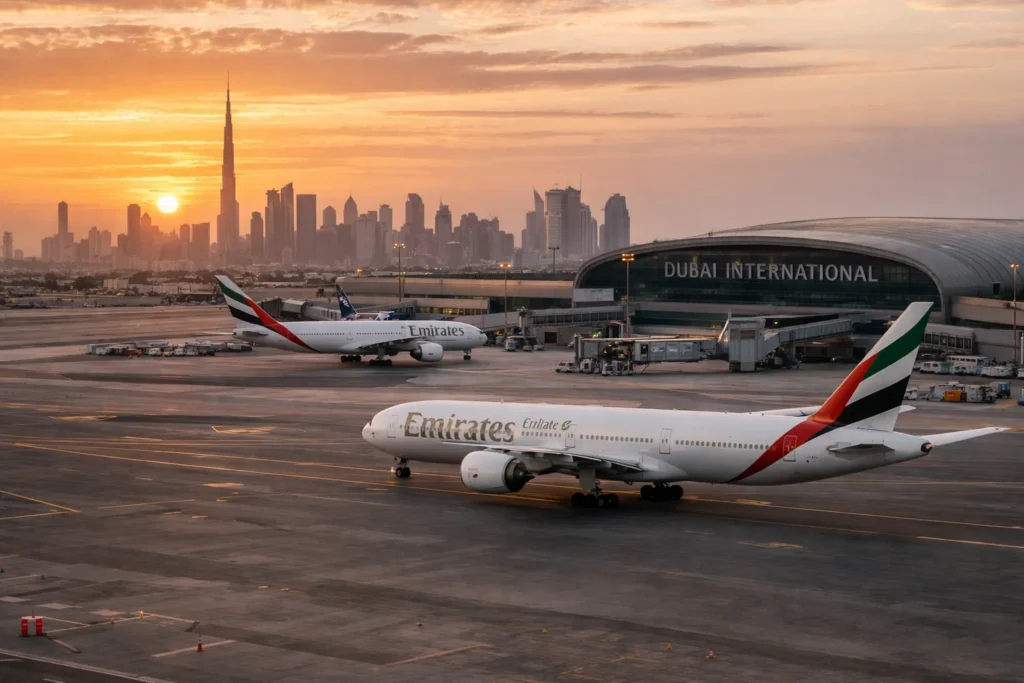
The policy applies to both Dubai International Airport, one of the busiest international passenger airports globally, and Al Maktoum International Airport, a key component of the emirate’s long-term aviation expansion strategy. Under the current guidelines, each foreign airline is limited to one round-trip flight per day during the summer scheduling period from 20 April to 31 May.
Dubai has built its tourism success on strong global connectivity, serving as a major transit hub linking Asia, Europe, and Africa. Official tourism data highlights the emirate’s reliance on international passenger flows, with millions of travelers passing through its airports annually. The current Dubai flight cap, however, demonstrates how external factors can influence even the most established travel networks.
The impact of the restrictions is expected to be particularly severe for Indian airlines. India has consistently been the largest source market for Dubai’s passenger traffic, with approximately 11.9 million travelers recorded in 2025. This strong demand has traditionally supported frequent flights between the two regions, making Indian carriers highly exposed to capacity limitations.
Airlines such as Air India, IndiGo, and SpiceJet had planned extensive operations during the affected months. With the introduction of the one-flight-per-day limit, these carriers are now required to significantly reduce their schedules, resulting in lower seat availability and potential revenue losses.
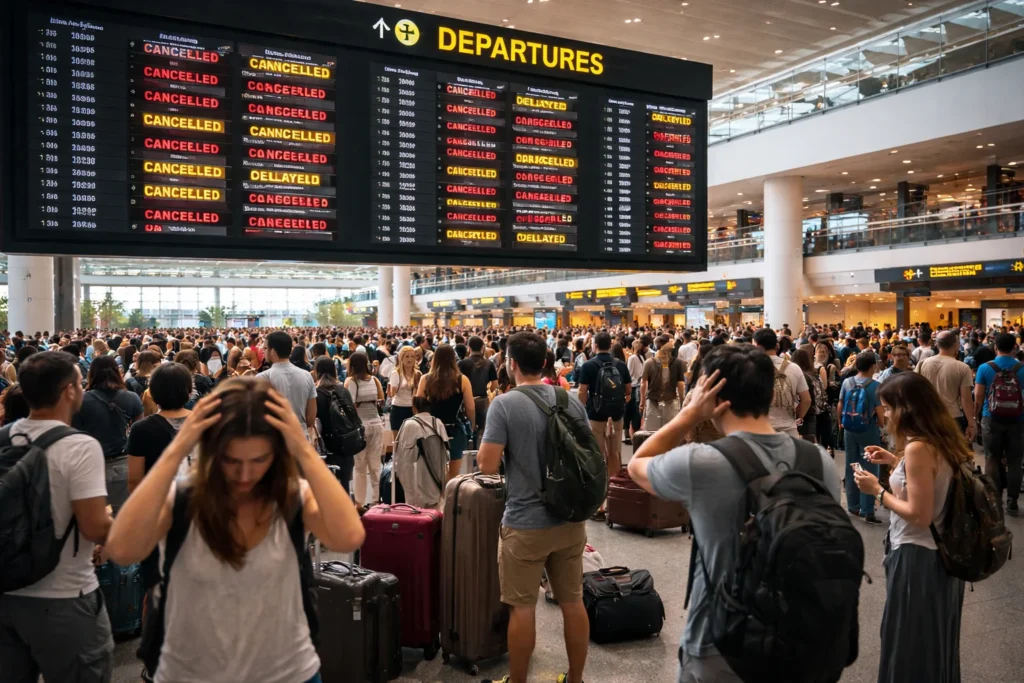
From a tourism perspective, reduced connectivity can have immediate effects on travel demand. Dubai remains a popular destination for leisure, shopping, and business travel, particularly among Indian tourists. Any decrease in flight capacity may lead to higher airfares and fewer travel options, influencing visitor numbers during the peak summer season.
The restrictions come at a time when airlines are already managing multiple challenges. Rising Aviation Turbine Fuel costs, as indicated by official energy and aviation data, have increased operational expenses across the industry. Fuel remains one of the largest cost components for airlines, and fluctuations in global oil markets directly impact ticket pricing and profitability.
Additionally, Indian carriers are dealing with longer flight routes due to regional airspace limitations, which have increased fuel consumption and operational complexity. These factors, combined with the Dubai flight cap, have created a challenging environment for airlines operating in one of the world’s most competitive aviation markets.
Industry stakeholders have responded by calling for government intervention. The Federation of Indian Airlines has urged authorities to engage in dialogue with Dubai to review the restrictions. The organization has also highlighted concerns about maintaining fair competition, particularly if local UAE carriers are not subject to the same limitations.
The situation also reflects broader dynamics within global aviation. Several international airlines have adjusted their operations in response to regional developments, with some suspending services to Dubai while others redirect capacity to alternative routes. This shift underscores the flexibility required in managing airline networks during periods of uncertainty.
For Dubai’s tourism sector, the temporary flight cap represents both a challenge and an opportunity for strategic adaptation. The emirate has a strong track record of resilience, supported by coordinated efforts between government agencies, aviation authorities, and tourism boards. While the restrictions may impact short-term visitor flows, Dubai continues to promote its diverse attractions and experiences to maintain its global appeal.
Tourism authorities emphasize the importance of maintaining service quality and traveler confidence during this period. Initiatives focused on enhancing visitor experiences, improving airport operations, and supporting the hospitality sector remain central to Dubai’s tourism strategy.
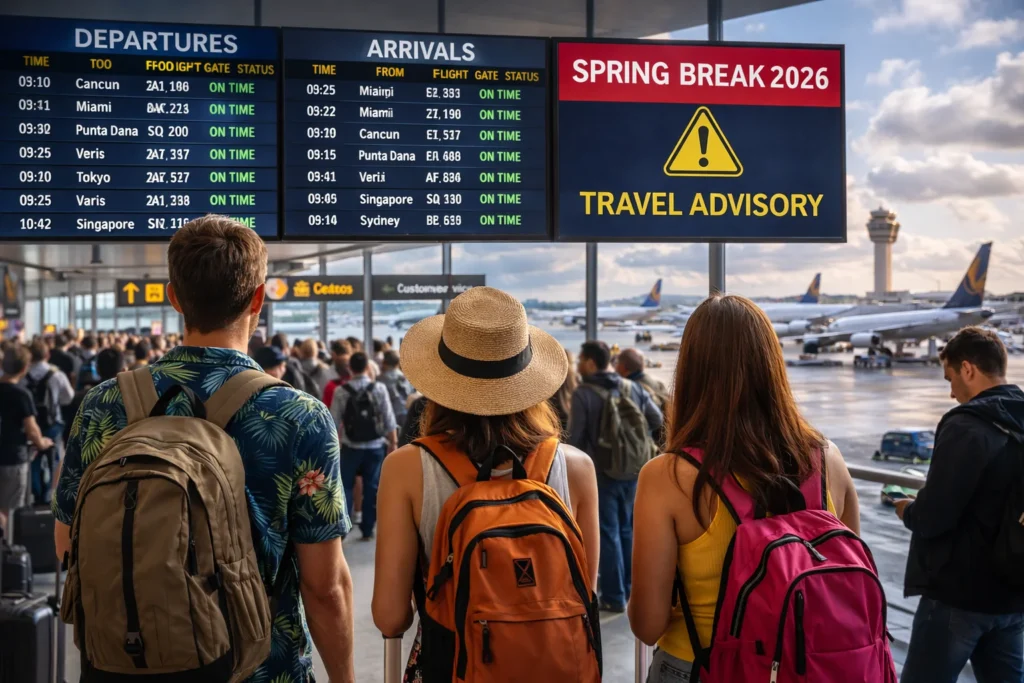
For travelers, the current situation highlights the need for careful planning. Early booking, flexible travel dates, and staying informed about airline schedules can help mitigate the impact of reduced flight availability. Tourism advisories encourage passengers to rely on official updates from airlines and government sources when making travel arrangements.
Looking ahead, the Dubai flight cap is expected to remain in place until the end of May, after which authorities may reassess capacity levels based on operational conditions. The gradual restoration of flight frequencies will be a key factor in determining how quickly tourism and travel demand can recover.
In the broader context of global tourism, the development illustrates the interconnected nature of aviation, energy markets, and geopolitical factors. Changes in one area can have cascading effects across the travel industry, influencing airline operations, ticket pricing, and traveler behavior.
As one of the world’s most visited destinations, Dubai’s response to these challenges will be closely watched by the international tourism community. The current measures highlight the importance of adaptability, collaboration, and strategic planning in sustaining growth and maintaining global connectivity.
Despite the constraints, the long-term outlook for Dubai’s tourism sector remains positive. With its strong infrastructure, diverse offerings, and commitment to innovation, the emirate is well positioned to navigate temporary disruptions and continue attracting travelers from around the world.
For more travel news like this, keep reading Global Travel Wire