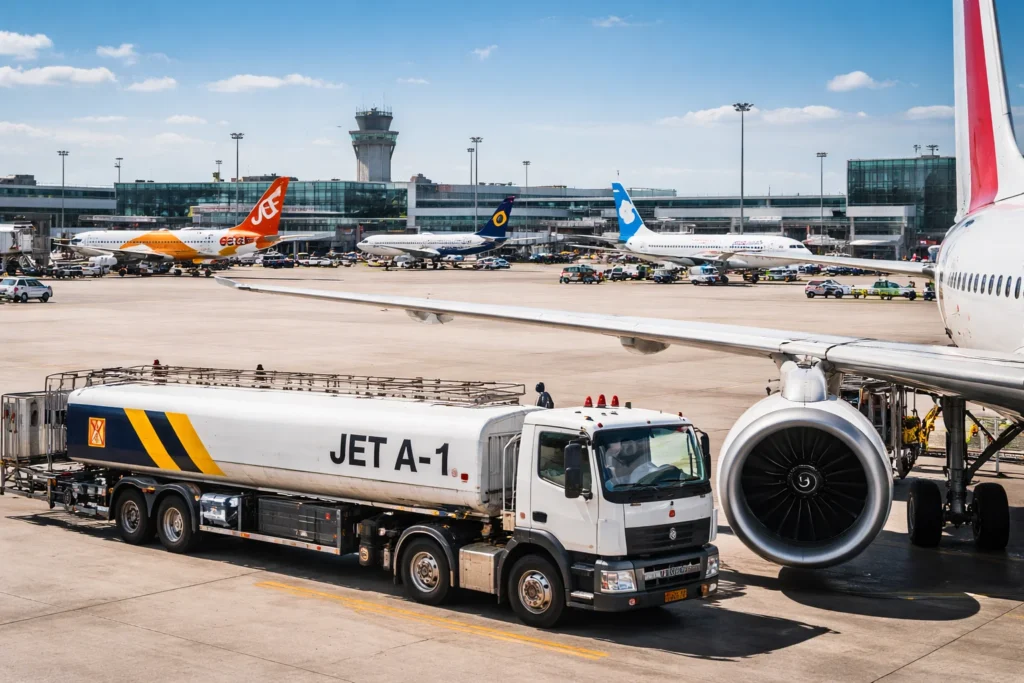
Dubai’s reported one-flight-per-day cap for foreign airlines until late May has created fresh uncertainty across the travel industry, especially for India, one of the emirate’s largest aviation markets. The temporary restriction is expected to affect airline schedules, passenger demand, tourism flows, and route profitability as carriers adjust to changing regional conditions.
For years, Dubai has been among the most popular international destinations for Indian travelers, attracting tourists, families, business visitors, and transit passengers. Any change in flight capacity between India and Dubai has an immediate impact on fares, bookings, and travel planning.
Industry stakeholders now say the short-term limits could reshape travel patterns through the coming months while airlines work to balance demand with reduced operating slots.
Why Dubai Is Crucial for Global Tourism
Dubai remains one of the world’s most connected tourism hubs. Its airports serve as major gateways linking Asia, Europe, Africa, and the Americas. The city attracts millions of visitors annually through shopping festivals, beach holidays, luxury stays, family attractions, cruise tourism, and business events.
For Indian travelers, Dubai is especially important because of:
- Short flight times from major Indian cities
- Frequent daily departures
- Strong family and business ties
- Easy stopover opportunities
- High demand for leisure shopping trips
- Year-round tourism campaigns
Because of this strong connection, even temporary restrictions on flights can create ripple effects across airlines, hotels, travel agencies, and airport operations.
India-Dubai Routes Among the Busiest in the Region
India is one of Dubai’s largest international source markets for both tourism and aviation traffic. Major Indian cities such as Mumbai, Delhi, Hyderabad, Bengaluru, Chennai, Kochi, Kozhikode, Kolkata, and Ahmedabad normally see multiple daily services to Dubai.
Airlines serving these routes include full-service and low-cost carriers, offering travelers a wide range of fares and schedules.
When frequency is reduced, passengers may face:
- Higher airfares
- Limited seat availability
- Fewer preferred departure times
- Longer waiting periods for travel dates
- Increased demand on nearby airports
This is particularly important during holiday seasons, school breaks, and festive travel periods when demand traditionally rises.
Airlines Face Revenue Pressure
Aviation experts say flight caps can significantly affect airline earnings because international routes often contribute strong margins, especially on high-demand corridors like India to Dubai.
When airlines are limited to fewer flights, they still face major fixed costs such as aircraft leases, staffing, maintenance, airport fees, and fuel expenses. Reduced capacity means fewer seats to sell while many operating costs remain in place.
This challenge becomes greater when aviation fuel prices stay elevated and airlines are already managing global supply chain pressures.
For budget airlines, the pressure may be stronger because their business model depends on high aircraft utilization and frequent departures.
Travelers Could See Fare Increases
Whenever capacity falls on a popular route, ticket prices often rise due to supply and demand. Travelers booking at short notice may be affected the most.
Families planning vacations, workers returning overseas, and business passengers needing urgent travel may need to pay more than expected for available seats.
Travel advisors recommend:
- Booking early when dates are fixed
- Comparing nearby departure cities
- Considering weekday departures
- Remaining flexible with travel times
- Checking baggage rules before choosing low fares
Advance planning can help travelers manage costs during periods of limited flight availability.
Hyderabad and South India Feel the Impact
Cities in South India have historically maintained strong travel demand to Dubai due to tourism, employment, trade, and visiting-friends-and-relatives traffic. Hyderabad is one of the important markets where passengers rely on frequent departures for convenience.
If capacity remains lower than normal, travelers from Hyderabad and other South Indian cities may need to connect through alternate Indian hubs or choose different dates.
Travel agencies also note that uncertainty can reduce spontaneous travel bookings, as many passengers prefer confirmed schedules and flexible options before committing to a trip.
Positive Outlook for Dubai Tourism
Despite aviation constraints, Dubai’s long-term tourism outlook remains strong. The city continues investing in attractions, hospitality projects, entertainment zones, infrastructure upgrades, and global events that attract visitors from around the world.
Dubai’s tourism appeal includes:
- Luxury hotels and resorts
- Desert safaris
- Theme parks and family attractions
- World-class shopping
- Culinary tourism
- Beaches and waterfront leisure
- Major exhibitions and conferences
Once capacity normalizes, demand from India is expected to rebound quickly due to the strength of the market and Dubai’s continued popularity.
Smart Alternatives for Travelers
Passengers unable to secure convenient Dubai flights may consider alternative Gulf destinations or other nearby international options. Cities with strong tourism appeal and growing air connectivity may become attractive substitutes during the temporary disruption.
Possible alternatives include:
- Abu Dhabi for culture and family attractions
- Doha for stopovers and luxury stays
- Muscat for scenic relaxation breaks
- Bahrain for short city escapes
- Singapore for shopping and family travel
- Thailand for beach holidays
Travelers should compare visa rules, flight duration, and seasonal weather before switching plans.
What Passengers Should Do Now
If you are planning travel to Dubai in the coming weeks, a proactive approach can reduce inconvenience.
Confirm Your Booking
Check directly with the airline for schedule changes, revised departure times, or alternate flight offers.
Arrive Early
Busy airports and limited departures can increase check-in queues and rebooking requests.
Keep Flexible Dates
A one or two-day adjustment may open better fares or direct flight options.
Monitor Official Updates
Follow announcements from airlines, airports, and government aviation authorities for the latest operating information.
Use Trusted Travel Advisors
Professional agents can often help compare routings, reissue tickets, or secure better alternatives quickly.
What This Means for Tourism in 2026
The Dubai one-flight rule highlights how quickly regional developments can influence global travel markets. While the restrictions may be temporary, they show the importance of flexibility in modern tourism planning.
For airlines, it is a test of network management. For travelers, it is a reminder to book smartly and stay informed. For Dubai, it is likely a short-term operational challenge rather than a long-term tourism setback.
Demand for Dubai remains strong, especially from India. Once schedules stabilize, the route is expected to recover rapidly, supported by strong consumer interest, tourism campaigns, and the city’s unmatched position as a global travel hub.