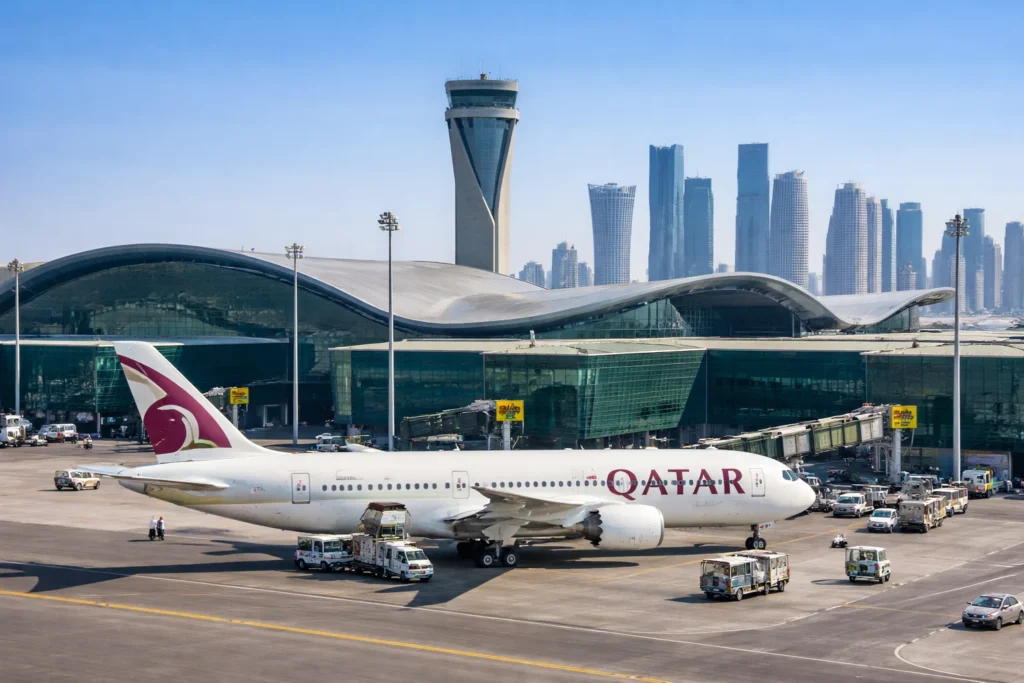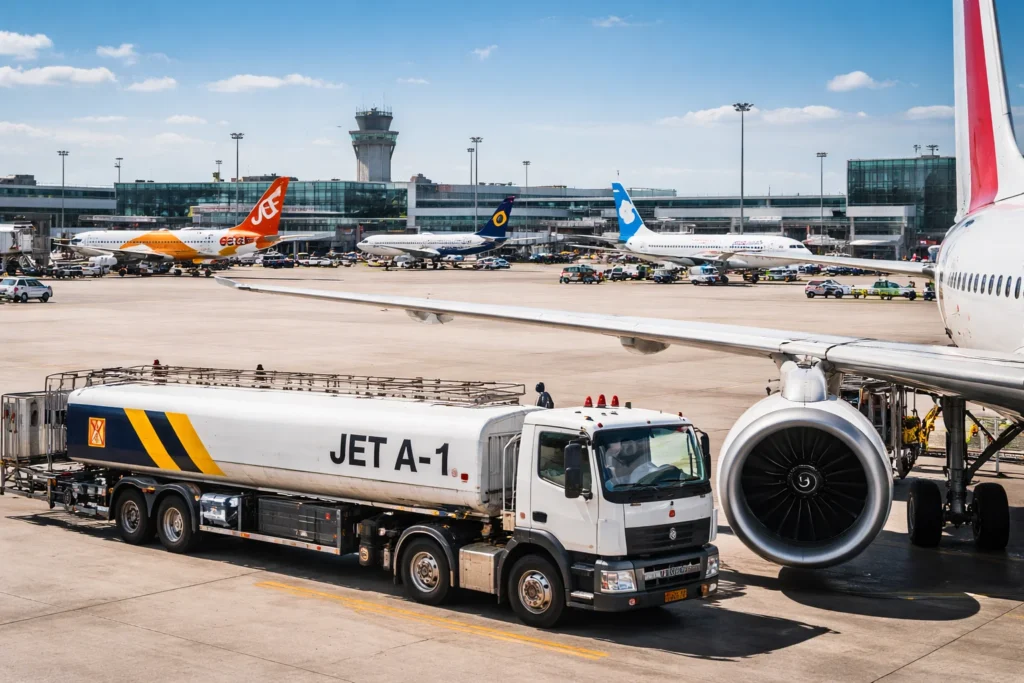
Europe’s tourism and aviation sectors are closely watching fuel supply developments after industry leaders warned that prolonged disruption in the Strait of Hormuz could create jet fuel shortages during the peak summer travel season. The warning comes at a critical time when millions of passengers are preparing for holidays, business trips, and international travel across the continent.
The Strait of Hormuz is one of the world’s most important energy shipping routes. It plays a major role in global fuel supply chains, including aviation fuel used by airlines and airports. If disruption continues for an extended period, Europe’s travel industry could face higher operating costs, tighter schedules, and pressure on regional connectivity.
For travelers, the situation highlights how global supply routes can directly influence holiday plans, airfare trends, and airport operations.
Why the Strait of Hormuz Matters to Tourism
Although many tourists may never think about fuel logistics, aviation depends on stable global supply chains. Jet fuel is essential for airlines to maintain schedules, expand routes, and offer competitive fares.
The Strait of Hormuz is strategically important because it handles a large share of international energy exports. When shipping through the route slows or stops, fuel markets can react quickly.
That matters for tourism because fuel prices influence:
- Airfares
- Flight frequency
- Seasonal route launches
- Charter operations
- Low-cost carrier pricing
- Cargo and supply costs
- Airport operating expenses
When fuel becomes expensive or harder to source, travel costs can rise across the wider tourism economy.
Summer Is Europe’s Busiest Travel Season
The warning comes just as Europe enters its busiest annual tourism period. Summer typically brings strong demand for beaches, city breaks, cruises, festivals, sporting events, and family holidays.
Millions of travelers move across Europe each week during the season, using both full-service and low-cost airlines.
Popular summer markets include:
- Spain
- Italy
- Greece
- France
- Portugal
- Croatia
- Turkey
- Nordic city breaks
- Mediterranean islands
Because summer demand is so high, even moderate supply disruptions can have noticeable effects on pricing and capacity.
Smaller Airports Could Face Bigger Pressure
Regional and smaller airports may be especially vulnerable during any fuel squeeze. Large hub airports often have stronger supplier networks, higher storage capacity, and greater purchasing leverage.
Smaller airports may face challenges such as:
- Limited fuel storage
- Fewer supplier options
- Higher delivery costs
- Reduced airline flexibility
- Seasonal dependence on tourism traffic
These airports are often vital for island communities, remote destinations, and regional tourism economies. If connectivity weakens, local hotels, restaurants, attractions, and transport providers may feel the impact.
Possible Effects for Travelers
At this stage, flights continue to operate and no widespread shutdown has been announced. However, travelers may notice indirect effects if market pressure continues.
Possible outcomes include:
- Higher ticket prices
- Reduced promotional fares
- Schedule adjustments
- Aircraft swaps on some routes
- Increased ancillary charges
- Capacity shifts toward stronger markets
Airlines typically work hard to protect core routes first, especially major city pairs and high-demand leisure services.
Why Airfare Prices Could Rise
Fuel is one of the largest costs for any airline. When prices rise sharply, carriers must decide how much of the increase they can absorb and how much must be reflected in fares or fees.
This is especially important for low-cost airlines that compete aggressively on price.
Travelers booking last-minute summer trips may be more exposed to higher prices than those who book early. Flexible travel dates can also become more valuable during periods of market volatility.
Sustainable Aviation Fuel Gains Attention
The current situation has also renewed focus on Sustainable Aviation Fuel (SAF) and Europe’s long-term energy resilience. SAF is viewed as an important part of reducing emissions while also diversifying future fuel sources.
Tourism and aviation stakeholders increasingly support investments in:
- Local fuel production
- Cleaner aviation technology
- Energy diversification
- More efficient aircraft
- Stronger storage systems
- Smarter route planning
While SAF alone is not an immediate solution to current supply pressure, it is becoming a larger part of Europe’s long-term travel strategy.
Good News: Europe Travel Demand Remains Strong
Despite fuel concerns, demand for European travel remains robust. Tourism boards across the continent continue promoting summer campaigns, cultural events, beach holidays, rail-and-air combinations, and sustainable travel experiences.
Travelers are still booking:
- Mediterranean beach escapes
- Multi-city tours
- Luxury vacations
- Family resort holidays
- Cruise departures
- Adventure travel
- Food and wine experiences
This strong demand suggests Europe’s tourism sector remains resilient even when external pressures emerge.
Smart Tips for Summer Travelers
Passengers planning European trips can take simple steps to stay ahead of changing market conditions.
Book Early
Earlier bookings may secure better prices before further fuel-related increases.
Compare Airports
Nearby departure or arrival airports can sometimes offer better value.
Stay Flexible
Traveling midweek or outside peak dates may reduce costs.
Monitor Airline Updates
Use official airline apps or notifications for schedule changes.
Consider Multi-Modal Travel
Rail plus air combinations may offer practical alternatives on some routes.
Buy Travel Insurance
A suitable policy may add peace of mind depending on coverage terms.
What Governments and Industry May Do Next
Authorities and aviation stakeholders may continue reviewing fuel supply resilience, strategic reserves, import flexibility, and market coordination.
Possible responses could include:
- Enhanced fuel monitoring
- Temporary regulatory adjustments
- Supply diversification efforts
- Support for regional connectivity
- Acceleration of sustainable fuel programs
Such measures can help reduce risk while protecting passengers and tourism-dependent communities.
Long-Term Outlook for European Tourism
Europe has repeatedly shown strong recovery capacity through economic shifts, weather events, and operational challenges. The region’s broad destination mix, mature transport systems, and global appeal provide resilience.
Even if fuel costs remain elevated in the short term, Europe is likely to remain one of the world’s leading tourism markets.
Travelers may need to plan more carefully, but demand for European holidays is expected to stay strong through 2026.
Final Word
The warning over possible fuel shortages is an important reminder that tourism depends on more than attractions and hotels. Global logistics, energy supply, and aviation networks all shape the travel experience.
For now, flights continue and Europe remains open for summer travel. But as the Strait of Hormuz situation evolves, airlines, airports, and travelers alike will be watching closely.
Preparation, flexibility, and early planning will be the keys to navigating Europe’s busy summer season successfully.