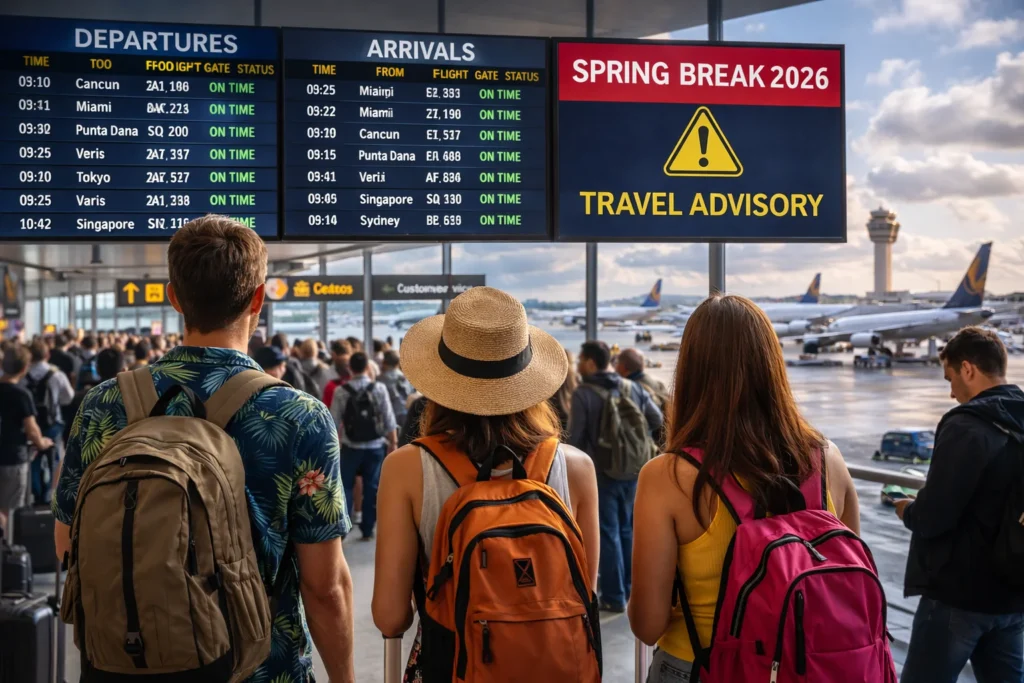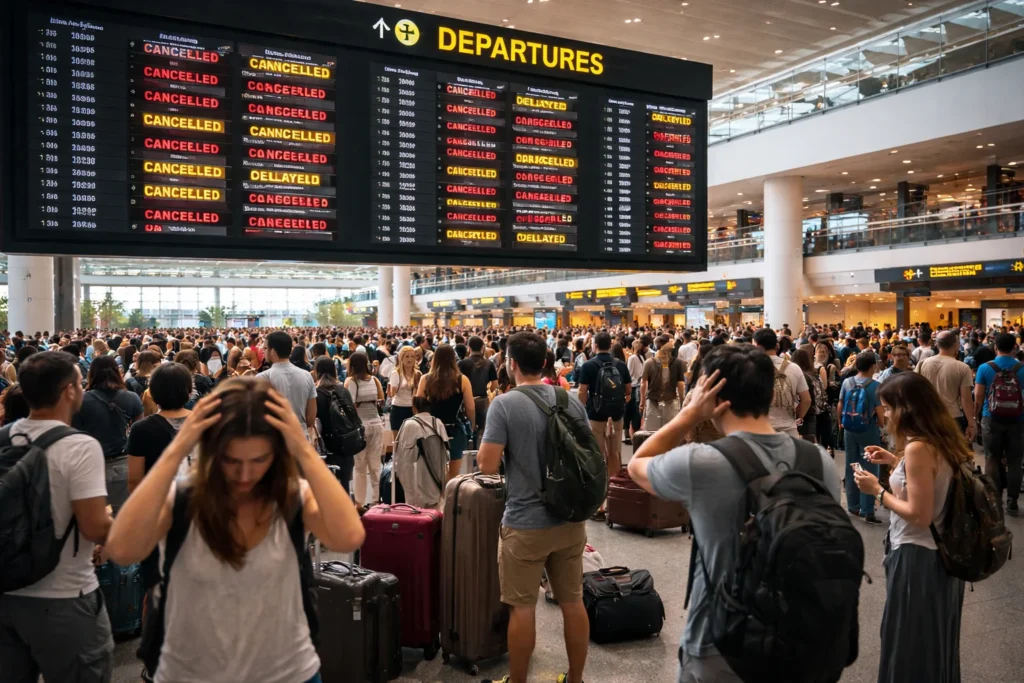
The global tourism and aviation industry is witnessing a sharp shift as airlines introduce fare increases in response to rising jet fuel prices. The ongoing surge in Aviation Turbine Fuel costs is reshaping travel demand, ticket pricing, and airline operations, with passengers across major markets, including India, now facing higher travel expenses.
Airlines worldwide are adjusting pricing strategies to cope with increasing operational costs, with fuel remaining one of the most significant expenses in aviation. Official aviation data indicates that fuel costs can account for nearly a quarter of an airline’s total operating expenditure. Recent increases in global oil prices have intensified this burden, prompting airlines to implement fare hikes and surcharges to maintain financial stability.
In India, major carriers such as Air India and IndiGo have revised their fare structures to reflect the rising cost environment. These adjustments include the introduction of fuel surcharges on domestic and international routes, directly impacting passengers and travel planning decisions.
The airfare surge is not limited to India. Airlines across global markets are implementing similar measures as part of broader cost management strategies. These include reducing flight frequencies, increasing ticket prices on long-haul routes, and adjusting ancillary charges such as baggage fees. The trend reflects a coordinated industry response to a shared challenge, driven by fluctuations in fuel markets and broader geopolitical developments.
From a tourism perspective, the increase in airfares is expected to influence travel behavior. Higher ticket prices may lead to a shift in demand, with travelers opting for shorter trips, alternative destinations, or more cost-effective travel options. Tourism authorities worldwide are closely monitoring these developments, as air connectivity plays a crucial role in sustaining visitor arrivals and economic activity.
In India, the impact of rising airfares is particularly significant due to the country’s growing outbound and domestic tourism market. Official tourism statistics highlight the increasing number of Indian travelers choosing air travel for both leisure and business purposes. However, higher ticket prices may affect travel affordability, especially during peak seasons.
Air India has introduced a revised pricing model that incorporates distance-based fuel surcharges, allowing fares to vary depending on route length. Similarly, IndiGo has implemented additional charges on both domestic and international flights, reflecting the increased cost of operations. These changes align with industry practices aimed at balancing operational sustainability with service delivery.
Beyond fuel costs, airlines are also navigating a range of additional challenges. Supply chain disruptions have affected aircraft maintenance and spare parts availability, while currency fluctuations have influenced operational expenses in international markets. Insurance costs and regulatory requirements have also increased, adding further pressure on airline finances.
These combined factors have created a complex operating environment for airlines, requiring strategic adjustments to maintain efficiency and profitability. While fare increases are one response, airlines are also focusing on optimizing routes, improving fuel efficiency, and enhancing operational performance to manage costs.
For travelers, the airfare surge translates into a more competitive and dynamic pricing landscape. Tourism authorities recommend early booking as a practical strategy to secure lower fares, as ticket prices tend to rise closer to departure dates. Comparing options across airlines and staying informed about surcharge policies can also help travelers manage costs effectively.
Despite the challenges, the aviation industry continues to play a vital role in supporting global tourism. Airlines remain committed to maintaining connectivity and service quality, even as they navigate financial pressures. Investments in modern aircraft, digital technologies, and customer experience enhancements continue to shape the future of air travel.
The current situation also highlights the importance of sustainable aviation practices. Governments and industry bodies are increasingly focusing on long-term solutions to reduce dependence on traditional fuel sources. Initiatives aimed at improving fuel efficiency, promoting alternative energy sources, and enhancing operational sustainability are expected to play a key role in addressing cost volatility in the future.
In the broader tourism landscape, the airfare surge serves as a reminder of the interconnected nature of travel systems. Changes in fuel prices can have far-reaching effects on airline operations, ticket pricing, and traveler behavior. Destinations that rely heavily on air connectivity may need to adapt their strategies to maintain visitor numbers and competitiveness.
Looking ahead, the trajectory of airfares will depend on global energy markets and geopolitical developments. While short-term price increases may continue, the aviation industry’s focus on innovation and efficiency is expected to support long-term growth and resilience.
For now, travelers are advised to plan ahead, remain flexible, and stay updated with official airline announcements. As the industry adjusts to evolving conditions, the balance between cost management and passenger experience will remain a key priority.
The ongoing airfare surge underscores the dynamic nature of global tourism and aviation. While challenges persist, the industry’s adaptability and commitment to connectivity ensure that travel remains accessible, even in a changing economic environment.