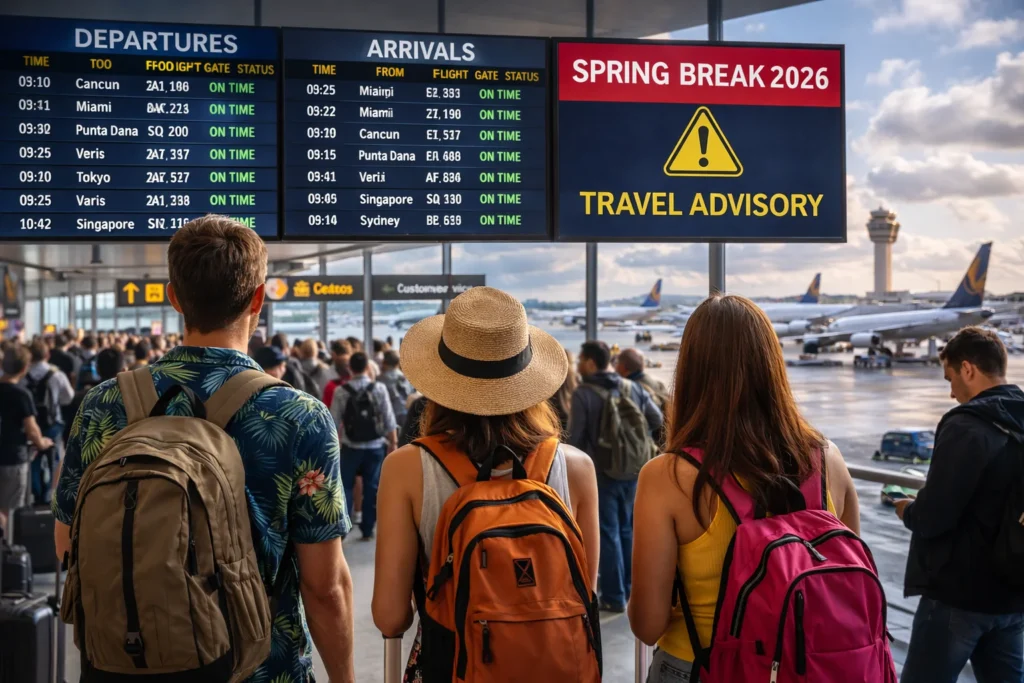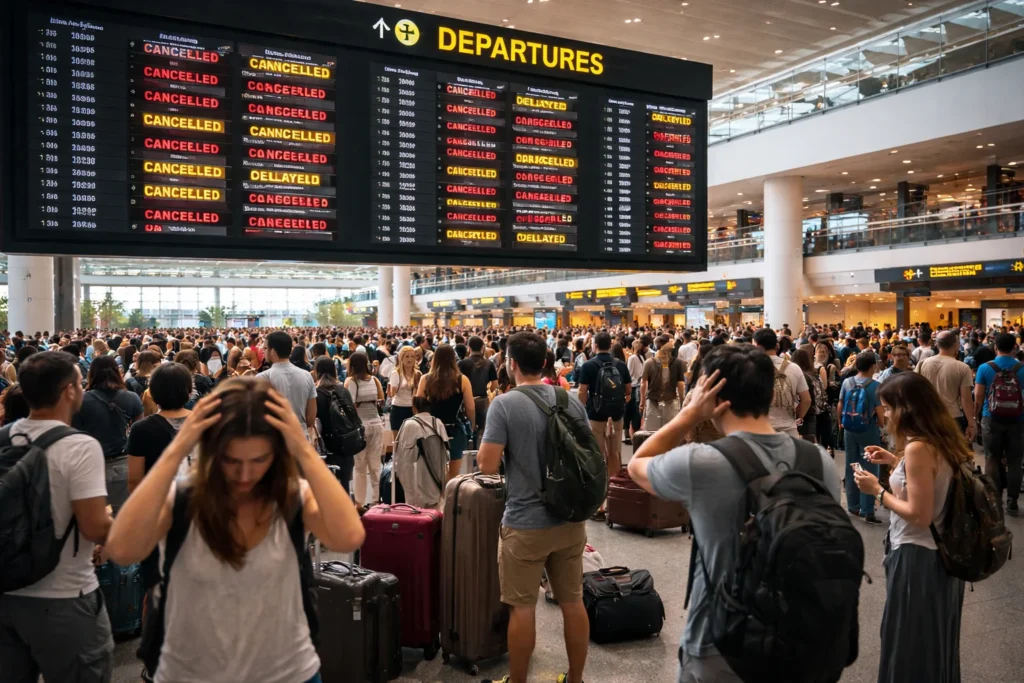
The global tourism and aviation sectors are experiencing significant disruption in 2026 as the ongoing Middle East conflict continues to reshape international travel patterns. According to official aviation authority updates and government transport briefings, the effects of the crisis are being felt far beyond the region, influencing airline operations, ticket pricing, and global connectivity.
One of the most immediate consequences has been a sharp increase in jet fuel prices, which play a critical role in airline operating costs. Aviation authorities confirm that fuel typically accounts for up to 40 percent of an airline’s total expenses. Recent official figures indicate that jet fuel prices have more than doubled compared to pre-conflict levels, placing intense financial pressure on carriers worldwide.
Transport ministries have acknowledged that this surge in fuel costs is forcing airlines to adjust their pricing strategies. As a result, passengers are beginning to see higher ticket fares, particularly on long-haul routes. Tourism boards have noted that rising airfares could influence travel decisions, especially for leisure travelers who are more sensitive to price changes.
Airlines are responding to these challenges in different ways. Some carriers have opted to reduce capacity, suspending less profitable routes or scaling back flight frequencies. This approach allows airlines to manage costs while maintaining service on key routes. However, reduced capacity has also led to increased demand for available seats, further driving up prices.
At the same time, other airlines are taking advantage of shifting market conditions by expanding services in high-demand regions. Official airline announcements confirm that several carriers are increasing flights to major international hubs, particularly in Europe and Asia, where demand remains strong. These strategic adjustments are helping to maintain connectivity for global tourism, even as overall capacity remains constrained.
Tourism authorities emphasize that such shifts in airline strategy are closely linked to changing travel patterns. As some routes become less accessible, travelers are rerouting through alternative hubs, creating new opportunities for airlines operating outside the most affected regions. This redistribution of traffic is reshaping global tourism flows, with certain destinations benefiting from increased connectivity.
Another major factor contributing to global aviation disruption is restricted access to airspace. Civil aviation authorities have confirmed that parts of the Middle East airspace have become less accessible due to safety concerns. This has forced airlines to adopt longer flight paths, particularly for routes connecting Europe and Asia.
Longer routes result in increased flight times and higher fuel consumption, further adding to operational costs. Aviation regulators note that these changes not only affect airline profitability but also have a direct impact on passenger experience. Extended travel times and higher fares are becoming more common, particularly on intercontinental routes.
The combination of rising fuel costs and extended flight paths has created a challenging environment for airlines. Many carriers are facing difficult decisions regarding route planning, fleet utilization, and pricing. Government transport agencies are working closely with airlines to ensure that safety remains the top priority while minimizing disruption to travelers.
The impact of these developments on tourism is significant. International travel relies heavily on efficient and affordable air connectivity, and disruptions in aviation can quickly affect visitor numbers and travel demand. Tourism boards in several regions have highlighted the importance of maintaining stable air links to support economic growth and visitor arrivals.
Despite the challenges, there are signs of resilience within the industry. Airlines are adapting their operations to changing conditions, while tourism authorities are implementing strategies to attract travelers and maintain confidence. Flexible booking policies, improved communication, and targeted marketing campaigns are being used to mitigate the effects of disruption.
Official tourism statistics indicate that demand for travel remains strong, particularly in key international markets. However, the rising cost of air travel is expected to influence booking patterns, with some travelers opting for shorter trips or alternative destinations. This shift could lead to changes in tourism trends over the coming months.
The global aviation disruption also highlights the interconnected nature of the industry. Events in one region can have far-reaching consequences, affecting airlines, airports, and travelers around the world. This interconnectedness underscores the importance of coordinated efforts between governments, aviation authorities, and tourism organizations.
Looking ahead, industry experts and government agencies expect continued volatility in the aviation sector as the situation evolves. Airlines will need to remain flexible in their operations, while tourism authorities will focus on maintaining connectivity and supporting traveler confidence.
For passengers, staying informed and planning ahead will be essential in navigating the current travel landscape. While challenges remain, the adaptability of the aviation and tourism sectors provides a foundation for recovery and continued growth.
As the global aviation industry works to stabilize operations, the focus remains on balancing safety, efficiency, and affordability. The ongoing developments serve as a reminder of the critical role aviation plays in connecting people and destinations, and the importance of resilience in the face of global challenges.