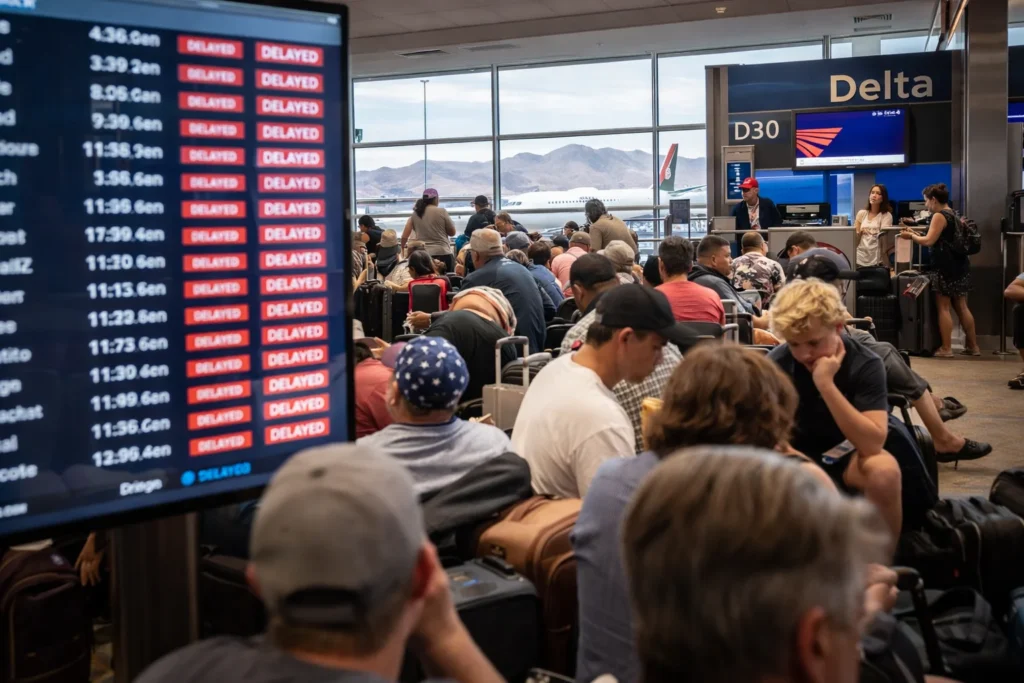
Travelers passing through Las Vegas on April 11 faced significant disruption after Harry Reid International Airport recorded a sharp rise in delayed flights during one of the busiest periods of the spring travel season. With passenger demand climbing across the United States, the delays highlighted growing pressure on airport operations as leisure and event-driven tourism continues to surge in 2026.
Las Vegas remains one of America’s most visited destinations, attracting millions each year for entertainment, conventions, sporting events, and weekend getaways. Any slowdown at its main airport can quickly affect travel plans across the country, especially when national air networks are already operating near peak capacity.
For passengers, the delays created longer waits, changing schedules, and added uncertainty. For the tourism industry, the day offered a reminder of how important efficient airport systems are to sustaining visitor growth.
Why Las Vegas Is a Major Tourism Gateway
Harry Reid International Airport serves as the main air gateway to Las Vegas and southern Nevada. The airport connects travelers from major domestic cities and international markets, supporting one of the strongest visitor economies in the United States.
Las Vegas tourism is powered by:
- Leisure vacations
- Casino and resort stays
- Concerts and live entertainment
- Trade shows and conventions
- Sports tourism
- Wedding travel
- Weekend city breaks
Because many visitors arrive by air, airport performance has a direct influence on hotels, attractions, restaurants, and event schedules across the city.
Flight Delays Increase During Busy Weekend Travel
The April 11 disruption came during a high-demand spring weekend when many families, students, and leisure travelers were already on the move. During these periods, airlines often add flights, aircraft rotations become tighter, and terminals experience heavier crowds.
When schedules are packed, even minor operational slowdowns can create larger delays throughout the day. Aircraft arriving late may depart late, crews may need repositioning, and gates can become congested.
Passengers at Las Vegas Airport reported changing departure times and extended waits at terminals as airlines adjusted operations.
Why Delays Spread Quickly Across the Network
Modern aviation systems are highly connected. A delay in one city can affect aircraft and crews in another city hours later. This means disruptions in Las Vegas may influence passengers traveling to or from destinations across the West Coast, Midwest, and beyond.
Las Vegas also plays a dual role as both a final destination and a connecting point for many travelers. When one flight is delayed, onward connections can be missed, creating additional pressure on rebooking systems and customer service teams.
This is why delays at large tourism airports often have national ripple effects.
Strong Tourism Growth Adds Pressure
Las Vegas has entered 2026 with strong momentum following impressive visitor volumes in recent years. Continued demand for conventions, entertainment events, and holiday travel has helped keep flights and hotels busy.
Tourism growth is positive for the local economy, but it also increases pressure on infrastructure. Airports must manage higher passenger numbers while maintaining security efficiency, baggage handling, gate operations, and smooth traffic flow outside terminals.
As demand rises, capacity planning becomes more important than ever.
Ground Access and Airport Traffic Matter Too
Airport delays are not always limited to aircraft operations. Road congestion, parking demand, terminal drop-off traffic, and public transport access can all shape the traveler experience.
During busy travel periods, passengers are often advised to arrive early because even short delays on surrounding roads can create stress before reaching the terminal.
For Las Vegas visitors, this is especially important on weekends when hotel check-ins, city events, and airport traffic may all peak at the same time.
What Travelers Can Do to Reduce Stress
Although no traveler can fully control airline delays, smart planning can make the experience easier.
Choose Early Flights
Morning departures often experience fewer knock-on delays than later flights.
Arrive Ahead of Time
Extra time helps with traffic, baggage drop, and security screening.
Use Airline Apps
Real-time notifications can alert passengers to gate changes or revised departure times.
Pack Essentials in Carry-On Bags
Keep chargers, medications, documents, and basic necessities with you in case of longer waits.
Allow Longer Connections
If connecting through another city, give yourself extra transfer time when possible.
Positive Outlook for Las Vegas Tourism
Despite the disruption, Las Vegas remains one of the strongest tourism markets in North America. The city continues to attract domestic and international visitors through constant investment in resorts, entertainment venues, convention facilities, and new visitor experiences.
Upcoming demand drivers include:
- Major concerts and residencies
- Sporting events
- Convention calendar growth
- Culinary tourism
- Family entertainment expansions
- Luxury resort demand
These strengths mean temporary airport delays are unlikely to slow the city’s long-term tourism momentum.
What the Delays Mean for Summer 2026
With summer travel approaching, airlines and airports are expected to prepare for another busy season. Passenger volumes typically rise further during school holidays, long weekends, and event-heavy calendars.
Travel experts say busy hubs like Las Vegas may continue experiencing occasional delay spikes, especially on Fridays, Saturdays, and Sundays when leisure traffic is strongest.
For travelers planning summer trips, booking smartly and staying flexible will be increasingly valuable.
A Reminder of Aviation’s Delicate Balance
The April 11 delays at Harry Reid International Airport show how finely balanced modern travel systems have become. Even without major storms or severe emergencies, heavy demand alone can test airport capacity and airline schedules.
For tourism destinations like Las Vegas, strong visitor demand is excellent news. But maintaining smooth airport operations is essential to keeping that momentum alive.
Passengers can still travel confidently by planning ahead, monitoring updates, and allowing extra flexibility. Meanwhile, Las Vegas continues to prove why it remains one of the world’s leading city-break and entertainment destinations.
As visitor numbers rise through 2026, the city’s airport will remain one of the most important gateways in American tourism—and one of the most closely watched during peak travel periods.