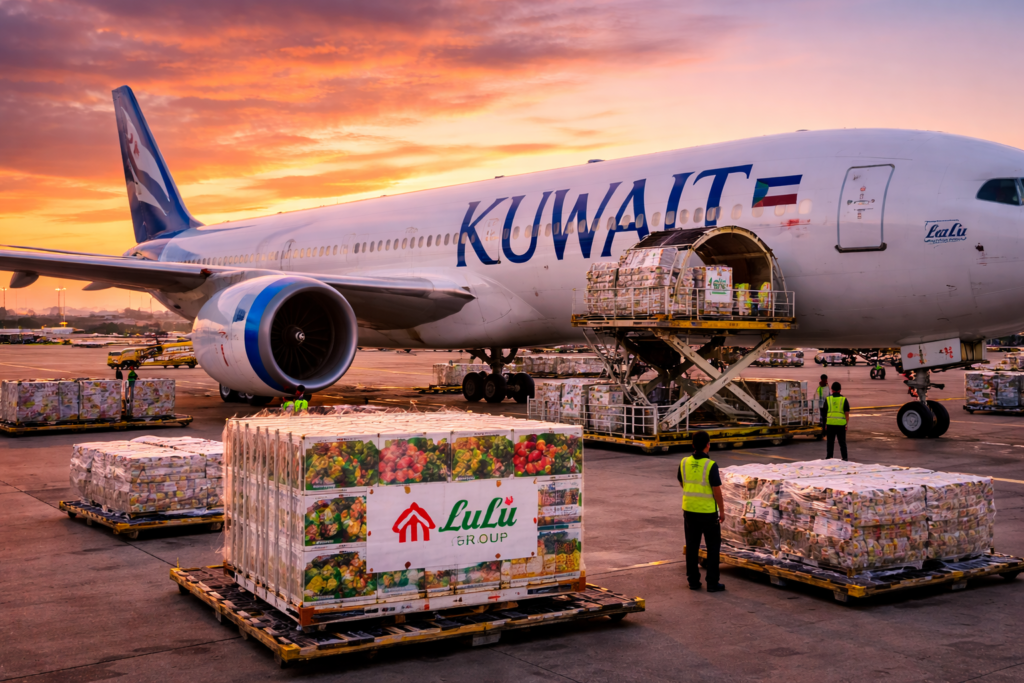
In a decisive move to stabilise essential supply chains and maintain consumer confidence, M. A. Yusuff Ali, chairman of LuLu Group International, has initiated large-scale air transport of food supplies from India to Gulf countries. The effort comes amid ongoing geopolitical tensions that have disrupted traditional cargo routes, impacting both trade and tourism-linked supply networks across the region.
The initiative reflects a broader commitment to ensuring uninterrupted access to essential goods in key destinations such as United Arab Emirates and Kuwait. With maritime transport facing delays and insurance costs rising sharply, the group has turned to air logistics to maintain steady supplies of fresh produce, including fruits, vegetables, and meat.
Authorities in the Gulf region have consistently emphasised the importance of supply chain resilience, particularly during periods of global uncertainty. Ensuring the availability of essential goods is critical not only for residents but also for sustaining tourism activities, which rely heavily on stable hospitality and retail sectors.
The airlift operation involved the deployment of specially arranged flights from major Indian cities, including Kochi and New Delhi. These flights transported significant volumes of perishable goods, with tens of thousands of kilograms delivered to Gulf markets in a short span of time. Passenger aircraft were adapted to carry cargo, demonstrating flexibility in logistics planning.
This rapid response has played a key role in preventing potential shortages and avoiding panic buying. Retail stability is a crucial factor in maintaining public confidence, especially in regions with large expatriate populations and high reliance on imported goods. The Gulf countries, known for their strong retail infrastructure, depend on consistent supply flows to support daily consumption and tourism services.
The UAE’s economic and tourism authorities have highlighted the importance of private sector initiatives in supporting national resilience. Efficient supply chain management ensures that hotels, restaurants, and other tourism-related businesses can continue operations without disruption. This is particularly important in destinations that welcome millions of international visitors each year.
LuLu Group’s extensive retail network, spanning hundreds of outlets across the Gulf and beyond, serves a diverse customer base. The company’s ability to mobilise resources quickly and adapt to changing conditions has reinforced its role as a key player in regional food security. By maintaining stock levels, the group has helped stabilise prices and prevent market volatility.
The decision to shift from sea to air transport was driven by safety and efficiency considerations. With maritime routes facing uncertainties, air transport offered a reliable alternative despite higher costs. This approach ensured that perishable goods reached their destinations promptly, preserving quality and availability.
The initiative also underscores the interconnected nature of global trade and tourism. Supply chain disruptions can have cascading effects on multiple sectors, including hospitality, aviation, and retail. By addressing these challenges proactively, stakeholders can mitigate risks and maintain economic stability.
For the tourism industry, the availability of food and essential goods is fundamental. Visitors expect seamless experiences, including access to quality dining and retail options. Any disruption in supply chains can impact destination reputation and visitor satisfaction. Efforts like the LuLu Group’s airlift operation contribute to maintaining high standards across the tourism ecosystem.
The operation was supported by the group’s logistics and export division, which coordinated sourcing, packaging, and transportation. This integrated approach ensured efficiency at every stage, from procurement in India to distribution in Gulf markets. The use of established supply networks enabled rapid execution of the initiative.
Industry experts note that global conflicts often lead to temporary increases in transportation costs and commodity prices. However, maintaining adequate supply levels can help offset these effects and prevent long-term disruptions. Strategic planning and collaboration between public and private sectors are essential in navigating such challenges.
The Gulf region’s reliance on imported goods highlights the importance of diversified supply routes. Investments in logistics infrastructure and partnerships with international suppliers play a crucial role in ensuring resilience. Initiatives like airlifting essential goods demonstrate how innovative solutions can address immediate challenges.
For India, the operation also reflects the country’s role as a key supplier of agricultural products to global markets. Strong trade links between India and Gulf countries support economic cooperation and contribute to food security in the region. These connections are vital for sustaining both trade and tourism flows.
Looking ahead, the focus on supply chain resilience is expected to remain a priority for governments and businesses alike. The ability to adapt to changing conditions and implement effective solutions will be critical in maintaining stability across sectors.
LuLu Group’s proactive approach serves as an example of how leadership and strategic planning can address complex challenges. By ensuring the availability of essential goods, the initiative has helped maintain confidence among consumers and supported the continued functioning of tourism and retail industries.
As global conditions continue to evolve, such efforts highlight the importance of preparedness and innovation in sustaining economic activity. The airlift operation not only delivered essential supplies but also reinforced the message that stability and continuity can be achieved even in challenging times.