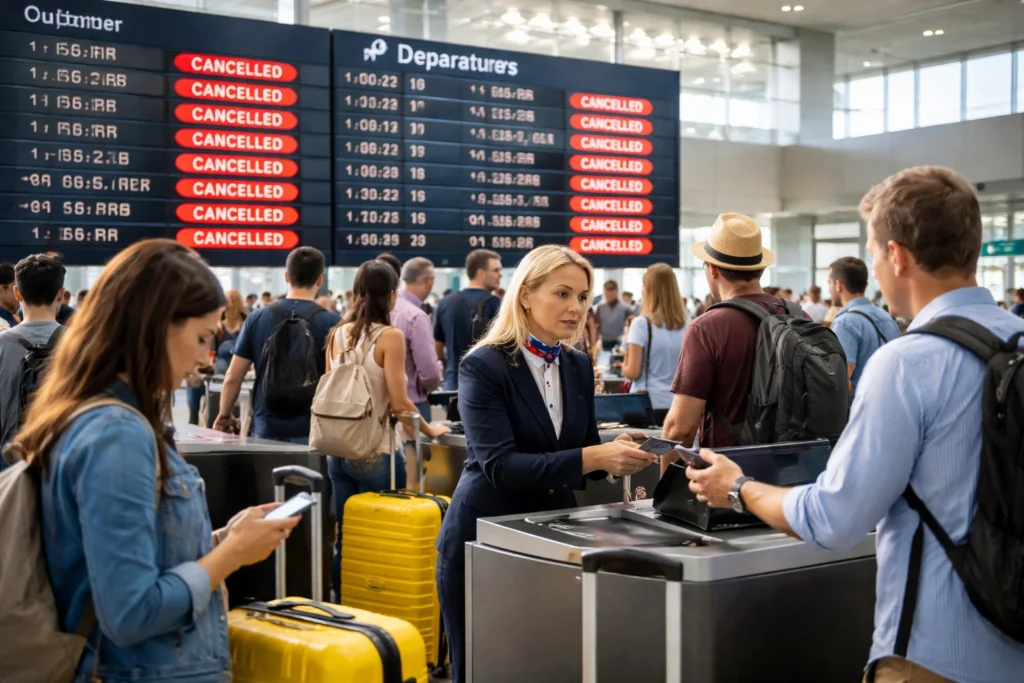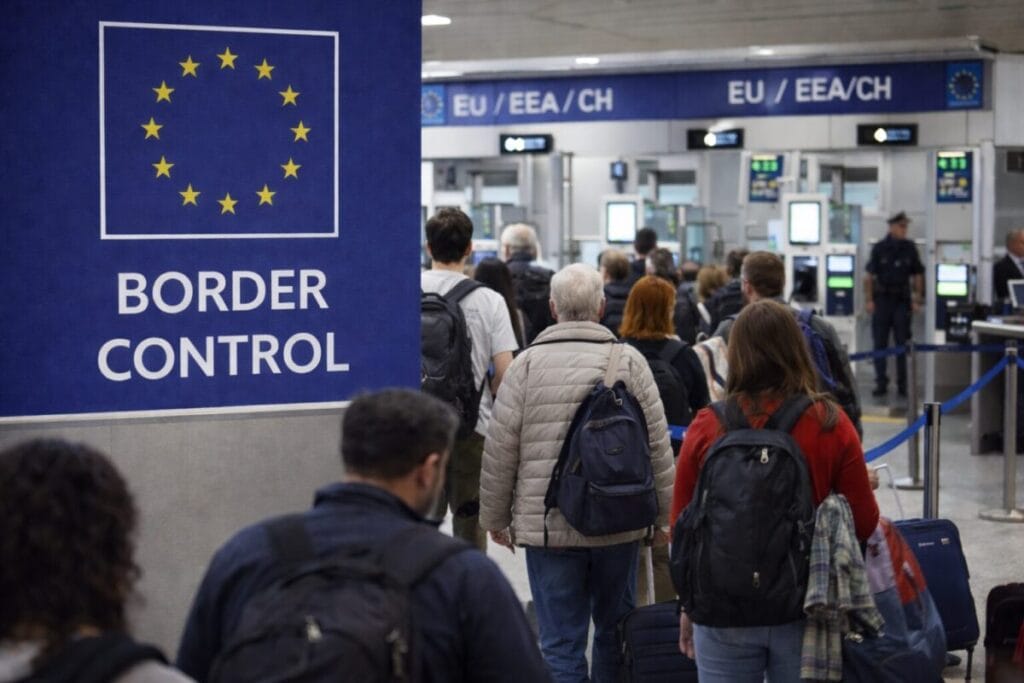
As Europe prepares for the peak summer travel season in 2026, aviation experts and tourism industry leaders are warning that new biometric border procedures could lead to significant delays if not carefully managed. The European Union’s Entry/Exit System (EES), designed to modernise border controls and improve security, is expected to transform how non-EU travellers enter and leave the Schengen Area. However, early implementation challenges have raised concerns that long queues — potentially lasting several hours — could become a major issue during periods of heavy passenger traffic.
The system aims to replace traditional passport stamping with a digital process that records biometric information such as fingerprints and facial images. While the technology promises faster processing in the long term, operational hurdles and high travel demand may create short-term disruptions for millions of tourists arriving in Europe this summer.
Understanding the Entry/Exit System
The EES represents one of the most significant changes to European border management in decades. Instead of relying on manual passport stamps, the system digitally tracks arrivals and departures of third-country nationals. This allows authorities to monitor travel patterns more efficiently, enforce the Schengen Area’s stay limits, and strengthen border security.
By automating data collection and verification, policymakers expect the system to reduce human error, improve accuracy, and enhance traveler safety. The initiative aligns with broader EU strategies to digitise travel procedures and prepare for future increases in international passenger numbers.
Despite these goals, introducing new technology across multiple countries with varying airport capacities and infrastructure has proven complex.
Early Challenges Highlight Potential Bottlenecks
During initial trials and early operational phases, several airports experienced processing delays linked to biometric data capture and system integration. Travelers reported longer waiting times at border control checkpoints, particularly during busy travel periods.
Industry observers have identified several contributing factors:
Staff shortages at border control areas, limiting the speed of passenger processing.
Technical issues with biometric scanners or system connectivity.
A steep learning curve for staff adapting to new digital procedures.
Unexpectedly high passenger volumes requiring biometric registration for the first time.
Even relatively small disruptions in the process can quickly escalate when airports handle thousands of passengers per hour. Experts warn that without contingency planning, queues could grow significantly during the summer rush when European airports operate near maximum capacity.
Why Summer 2026 Could Be Especially Challenging
Summer represents the busiest season for European tourism, attracting millions of visitors from around the world. Families traveling during school holidays, cruise passengers, business travelers, and leisure tourists all converge at major gateways simultaneously.
If biometric checks are enforced without flexibility, analysts predict that border control waiting times could extend to several hours at certain airports. Such delays would not only inconvenience travelers but also create operational challenges for airlines and airport operators.
Long queues at passport control can lead to missed flight connections, aircraft departure delays, and overcrowded terminals. These cascading effects could impact flight schedules across entire airline networks, amplifying disruption beyond individual airports.
Flexible Implementation Measures
Recognising these risks, European authorities have introduced provisions allowing temporary flexibility in applying biometric procedures during periods of exceptional congestion. Member states may temporarily reduce or adjust the level of biometric processing or revert to manual passport checks when necessary to maintain passenger flow.
This flexibility is seen as essential while the system remains relatively new and operational processes continue to evolve. Allowing border authorities to scale procedures according to real-time conditions could help prevent extreme delays and protect the overall travel experience.
Several countries have already experimented with such measures during busy travel periods, temporarily adjusting processing methods to reduce waiting times when technical or staffing challenges emerged.
Tourism Industry Concerns
The tourism sector is closely monitoring the rollout because delays at border checkpoints can directly affect traveler satisfaction and destination competitiveness. Extended waiting times risk discouraging visitors, particularly those with tight schedules or connecting flights.
Popular tourist destinations in Southern Europe are especially sensitive to border disruptions because their economies rely heavily on international arrivals. Hotels, tour operators, and local businesses depend on smooth travel operations to maintain consistent visitor numbers during peak seasons.
Airlines also face challenges when border processing slows, as delayed passengers may cause aircraft to depart late, impacting crew schedules and fleet utilisation.
What Travelers Should Expect
Visitors planning trips to Europe in summer 2026 should prepare for potential adjustments at border control. While many airports are expanding infrastructure and staff training to support the new system, delays may still occur during busy periods.
Travelers may experience a combination of biometric scanning and traditional passport stamping depending on operational conditions. Arriving early at the airport, monitoring flight updates, and allowing extra time for border procedures can help minimise stress.
Families, large groups, and travelers unfamiliar with biometric systems may need additional processing time, so preparation and patience will be important during the transition phase.
Balancing Innovation and Efficiency
The Entry/Exit System represents a major step forward in digital border management, aiming to improve security while modernising travel procedures. However, the success of the system will depend on balancing technological innovation with operational flexibility.
Experts believe that continued investment in infrastructure, staff training, and adaptive policies will be key to ensuring smooth implementation. As authorities refine the process and address early challenges, the system is expected to deliver faster and more reliable border checks in the long run.
For now, Europe’s travel industry faces a critical test as it prepares for the summer season. The ability to manage biometric checks efficiently — without overwhelming airports — will determine whether travelers experience seamless journeys or significant delays at the region’s borders.
For more travel news like this, keep reading Global Travel Wire