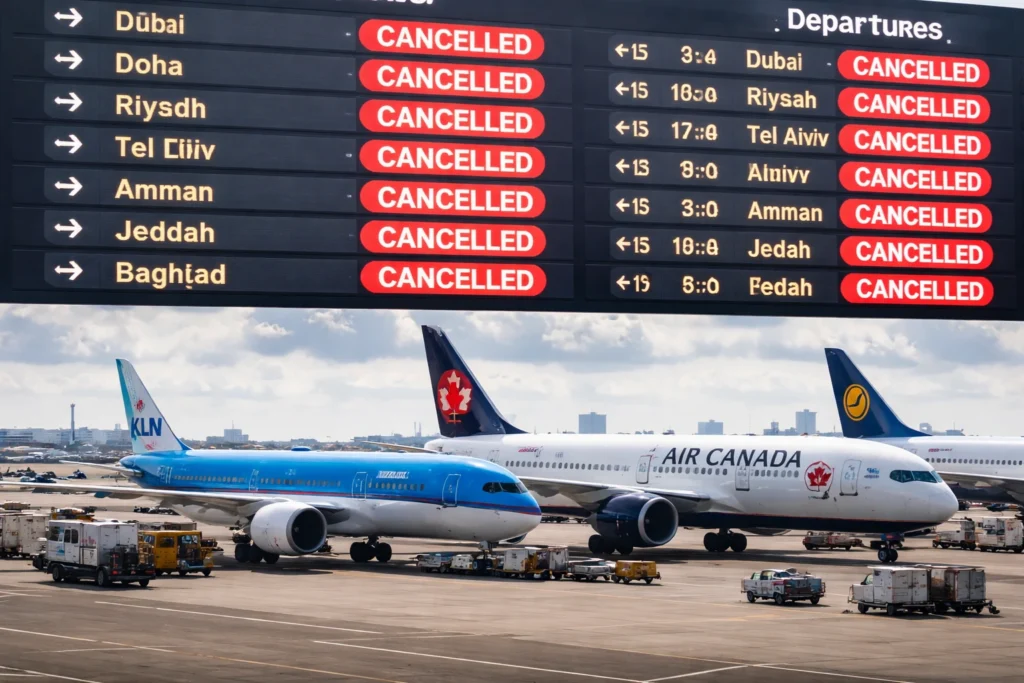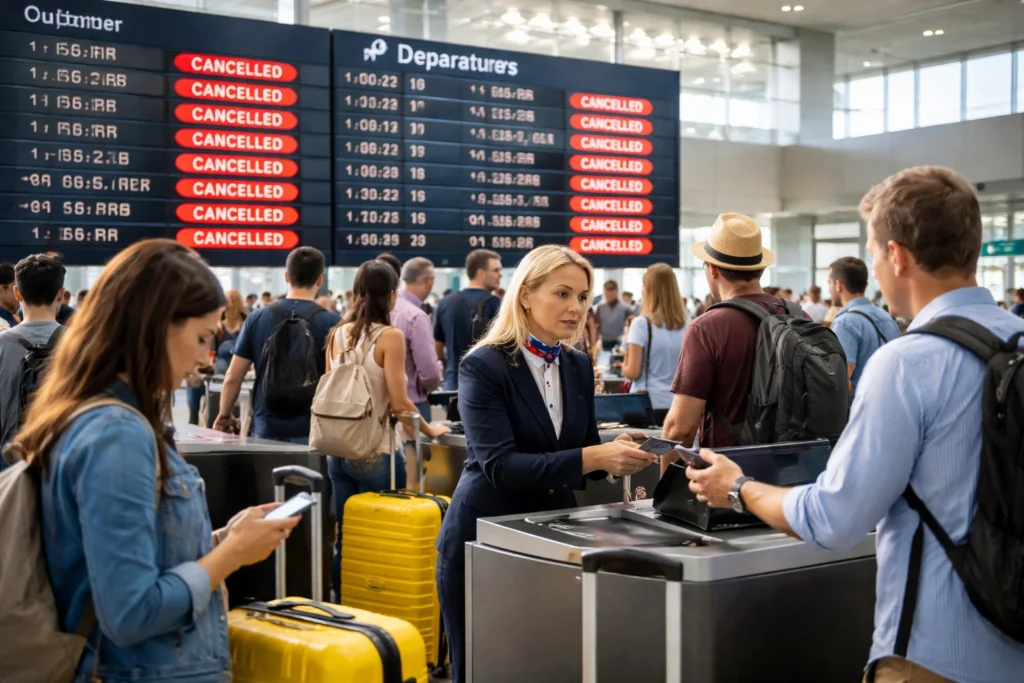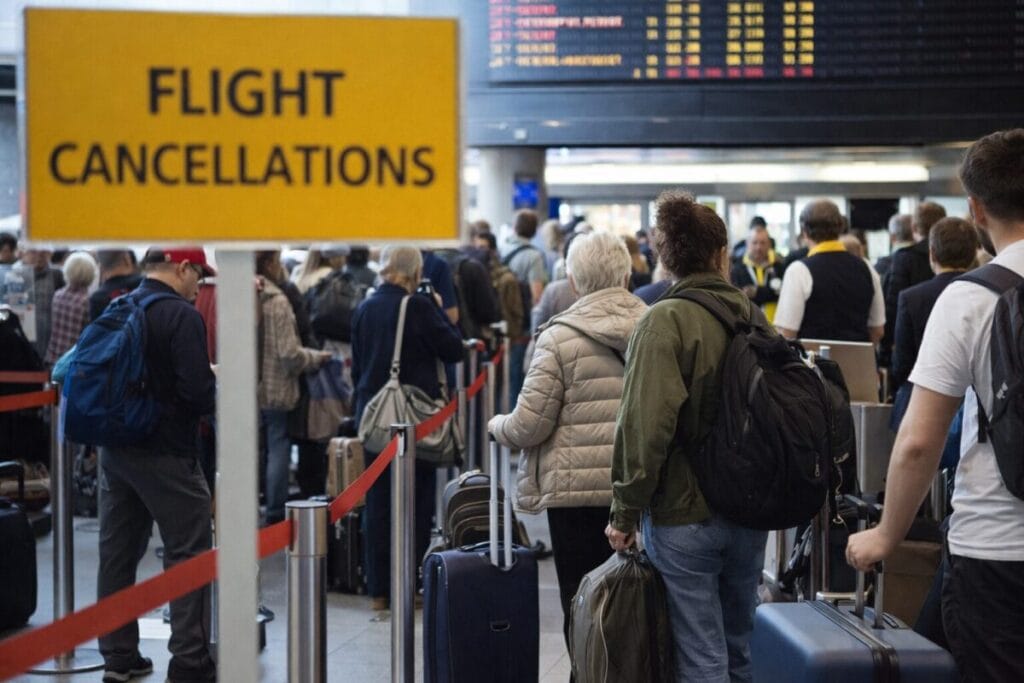
February 2026 is emerging as one of the most challenging months for international travel in recent years, as widespread industrial action across Germany, Italy, France, Belgium, and New Zealand disrupts airlines, airports, and public transport networks. Labor unions representing pilots, cabin crew, airport staff, and public transport workers have initiated coordinated strikes driven by disputes over wages, working conditions, and pension benefits.
The timing of these actions has amplified their impact. Mid-February traditionally marks a busy travel period due to winter holidays, ski tourism, and strong international passenger demand. As strikes spread across multiple countries simultaneously, thousands of flights face delays or cancellations, leaving tourists scrambling for alternatives while destinations dependent on tourism brace for economic losses.
Germany Faces Major Airline Disruptions
Germany has become one of the central hubs of the current travel disruption wave. Industrial action involving airline staff has triggered significant operational challenges, particularly at major aviation gateways such as Frankfurt and Munich. The strike activity is expected to affect both passenger and cargo operations, impacting international routes that connect Europe to Asia, North America, and beyond.
Passengers traveling through Germany’s major airports are experiencing extended waiting times, flight schedule changes, and last-minute cancellations. The disruption has created ripple effects across connecting flights throughout Europe, as Germany’s airports serve as key transfer points for global travelers.
Beyond immediate travel delays, the situation highlights ongoing challenges within the aviation workforce, where employees seek improved pay structures and long-term employment stability in a sector still adjusting after pandemic-era disruptions.
Italy’s National Aviation Strike Adds to European Pressure
Italy’s aviation sector is also confronting widespread disruption due to a nationwide strike involving airline and airport personnel. Major hubs such as Rome, Milan, Venice, and Naples are expected to see significant operational slowdowns.
Short-haul European flights are among the most affected, although long-haul international services may also face delays. For tourists planning ski holidays or city breaks across Italy, the uncertainty has forced many to reconsider travel plans or seek alternate transportation options.
Local tourism operators, including hotels and tour providers, are preparing for potential booking cancellations as travelers struggle to reach their destinations on schedule.
France Battles Air Traffic Control Challenges
France has seen extensive flight disruptions following industrial action by air traffic controllers and airport workers. Air traffic control strikes tend to have widespread consequences because they influence not only domestic flights but also international routes that pass through French airspace.
Airports serving major cities are experiencing reduced flight capacity, causing airlines to adjust schedules and cancel some services in advance. Domestic and short-haul European routes have felt the most immediate impact, although knock-on delays have affected long-haul passengers as well.
The disruption underscores the complex nature of aviation systems, where even a localized strike can create cascading delays across multiple countries and airlines.
Belgium’s Transport Strikes Affect Airport Access
In Belgium, multi-sector strikes involving public transportation workers are creating indirect but significant challenges for travelers. While airline operations continue in some capacity, access to airports has become difficult due to reduced train, bus, and metro services.
Travelers attempting to reach Brussels Airport or other transport hubs face longer travel times and logistical complications. This situation highlights how non-aviation strikes can still disrupt tourism by limiting passenger mobility and creating delays before travelers even reach the airport.
Urban tourism destinations such as Brussels and Antwerp may experience reduced visitor numbers during the strike period, impacting local businesses reliant on tourism revenue.
New Zealand Joins the Global Disruption Wave
Outside Europe, New Zealand has entered the travel disruption landscape with industrial action involving airline cabin crew. The strike is expected to affect long-haul international flights, particularly routes connecting New Zealand with Asia and North America.
Although domestic services may continue with minimal interruption, international travelers could face cancellations and schedule adjustments. With thousands of passengers potentially impacted, airlines are working to rebook affected travelers and maintain essential connectivity where possible.
Tourism Industry Impact
The combined effect of strikes across multiple countries has created a rare scenario where disruptions overlap geographically and operationally. Tourism experts warn that simultaneous industrial actions can significantly strain airline capacity, increase ticket prices on available flights, and reduce traveler confidence.
Popular winter destinations in Europe are likely to experience reduced arrivals, especially ski resorts that depend heavily on international air travel. Hotels, restaurants, and local businesses may see lower occupancy rates during what is typically a peak season.
At the same time, alternative transportation options such as rail services are expected to become more crowded as travelers seek backup routes. However, ongoing public transport strikes in some regions complicate these alternatives, creating further uncertainty.
Practical Advice for Travelers
Travelers planning journeys during this period should remain proactive and flexible. Checking flight status frequently is essential, as schedules may change rapidly. Choosing flexible fares or travel insurance options can provide additional security in uncertain conditions.
Arriving at airports earlier than usual is advisable due to longer queues and potential staffing shortages. Keeping digital copies of tickets, accommodation bookings, and alternative travel plans can help travelers respond quickly if disruptions occur.
Looking Ahead
While industrial action reflects ongoing negotiations between workers and employers, the current wave of strikes demonstrates how interconnected the global travel system has become. Disruptions in one region can quickly spread across continents, affecting passengers worldwide.
As airlines and transport authorities work toward solutions, travelers should remain aware that further adjustments to schedules and services may occur. Despite the challenges, industry analysts believe that the long-term outlook for global tourism remains strong, with recovery driven by continued demand for international travel once disruptions ease.
For more travel news like this, keep reading Global Travel Wire