India’s aviation industry has entered a significant new phase as grounded carrier Jet Airways completes the sale of three Boeing 777 wide-body airframes along with six associated engines for approximately $46 million (about ₹417 crore). The transaction marks one of the most decisive developments in the airline’s ongoing liquidation process, reinforcing the reality that a revival of the once-dominant full-service carrier is increasingly unlikely.
For travellers, aviation investors, and industry observers, the move signals deeper structural changes within India’s airline landscape. While primarily a financial and legal milestone, the sale carries important implications for airline competition, route availability, and long-haul travel options.
Background: From Market Leader to Liquidation
Jet Airways was once among India’s most respected airlines, known for its strong international network and premium service standards. Financial challenges, rising operating costs, and increased competition from low-cost carriers eventually led to the suspension of operations several years ago. Multiple attempts to revive the airline failed to meet operational or financial benchmarks, resulting in judicial orders to proceed with liquidation under India’s insolvency framework.
India’s corporate insolvency system, governed by the Insolvency and Bankruptcy Code, allows courts and tribunals to oversee the restructuring or winding down of distressed companies. After several unsuccessful rescue proposals, judicial authorities directed that Jet Airways’ remaining assets be monetised to recover value for creditors and stakeholders.
The sale of aircraft components represents one of the most valuable tangible asset disposals in this process.
Details of the Aircraft Transaction
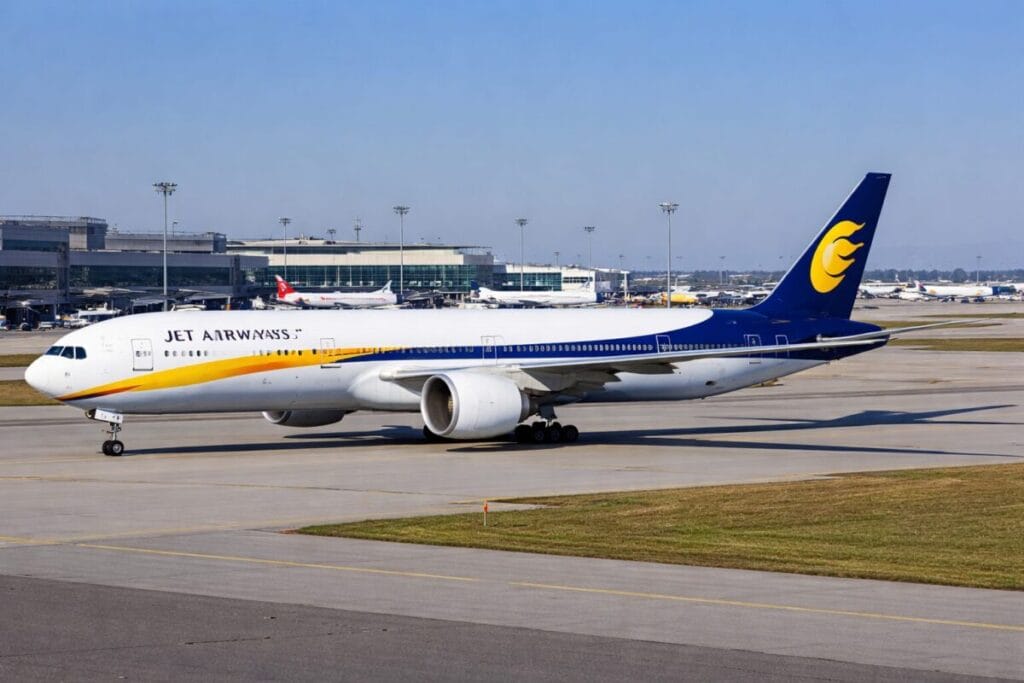
The completed deal involves three Boeing 777 airframes — large long-haul aircraft previously used for international routes — along with six engines associated with those aircraft. Aviation industry sources indicate that these were sold as part of a binding purchase agreement with an overseas aviation asset management entity.
Airframes refer to the main structural body of an aircraft, excluding many onboard systems and interiors. Such assets may be repurposed, refurbished, dismantled for parts, or converted for cargo operations depending on buyer strategy.
The total value of the agreement, around $46 million, reflects current market conditions for older wide-body aircraft, where demand fluctuates based on fuel efficiency, maintenance costs, and evolving airline fleet strategies.
Legal Oversight and Regulatory Environment
The liquidation process is taking place under strict judicial and regulatory supervision to ensure transparency and compliance with aviation and corporate laws. India’s civil aviation framework mandates that aircraft ownership transfers and deregistration procedures follow international aviation standards.
Government authorities monitor asset transfers during insolvency cases to ensure fair treatment of creditors and proper documentation. Such oversight helps maintain investor confidence in India’s aviation market and ensures that aircraft assets are legally transferred without disputes affecting future operations.
What This Means for Indian Travellers
Although the sale primarily relates to financial restructuring, it has meaningful implications for passengers and the broader travel ecosystem.
1. Reduced Chances of a Jet Airways Comeback
The disposal of long-haul aircraft significantly lowers the likelihood of a future revival under the original brand. Wide-body aircraft are essential for operating intercontinental routes, and selling them indicates a final dismantling of operational capabilities.
For travellers who valued Jet Airways’ premium service, this marks the definitive end of an era.
2. Shift in Long-Haul Market Dynamics
Jet Airways once connected Indian cities with Europe, North America, and Asia. With its exit now effectively permanent, remaining airlines are expected to expand their networks to capture market share.
Airlines operating in India may increase frequencies or introduce new routes to fill gaps left behind. This could eventually improve connectivity, though short-term fluctuations in fares and seat availability are possible.
3. Potential Impact on Ticket Pricing
When a major carrier disappears, competition dynamics change. On certain routes, reduced competition may lead to higher prices until other airlines adjust capacity. Conversely, aggressive expansion by competitors could drive promotional fares in some markets.
Passengers should expect evolving pricing patterns as airlines recalibrate their schedules.
Opportunities for the Aviation Ecosystem
The sale also highlights broader trends within global aviation.
The used aircraft market has gained momentum as airlines seek cost-effective expansion strategies. Leasing companies, maintenance providers, and aircraft parts suppliers benefit from the circulation of older aircraft assets. India’s maintenance, repair, and overhaul sector may also see opportunities if components from these aircraft are serviced or refurbished domestically.
Additionally, newer aircraft entering fleets across Indian airlines reflect a shift toward fuel efficiency and modern passenger experience. The retirement or resale of older wide-body aircraft aligns with global industry trends focused on sustainability and operational efficiency.
Industry Outlook: India’s Growing Aviation Market
Despite the closure of Jet Airways, India remains one of the fastest-growing aviation markets globally. Rising middle-class travel demand, expanding airport infrastructure, and government initiatives aimed at increasing regional connectivity continue to drive growth.
New aircraft orders, international route expansions, and investments in airport modernisation suggest that the vacuum left by legacy carriers will be filled by emerging and expanding operators.
For travellers, this transition period may bring temporary adjustments but also new opportunities, including more destinations, improved aircraft technology, and evolving airline service models.
Conclusion
The sale of three Boeing 777 airframes and six engines for $46 million marks a defining moment in Jet Airways’ liquidation journey. Beyond its financial significance, the transaction symbolises the final chapter for one of India’s most iconic airlines.
While the disappearance of a historic full-service carrier narrows nostalgic choices for travellers, the broader Indian aviation sector is entering a new phase characterised by modern fleets, expanding connectivity, and intensified competition among remaining airlines. For passengers, the long-term outlook may ultimately bring more efficient travel options — even as the legacy of Jet Airways fades into aviation history.
For more travel news like this, keep reading Global Travel Wire