Air travel across Southeast Asia continues to recover strongly, yet public health vigilance remains essential in a world where diseases can cross borders quickly. Malaysia Airports Holdings Berhad (MAHB) has now issued a renewed health advisory urging travellers to take extra precautions following reports of Nipah virus infections in eastern India.
The advisory, announced on January 29, 2026, follows confirmation of Nipah virus cases in West Bengal involving healthcare workers currently undergoing treatment. While Malaysia itself has not recorded any new infections, authorities are taking preventive steps to ensure airports remain safe transit hubs for millions of travellers moving through the country.
Rather than triggering alarm, officials describe the move as a proactive reminder that safe travel depends on collective responsibility. Airports remain open, operations continue smoothly, and tourism flows are unaffected, but simple health measures are being encouraged to reduce risk.
Mask Use Encouraged in Busy Airport Spaces
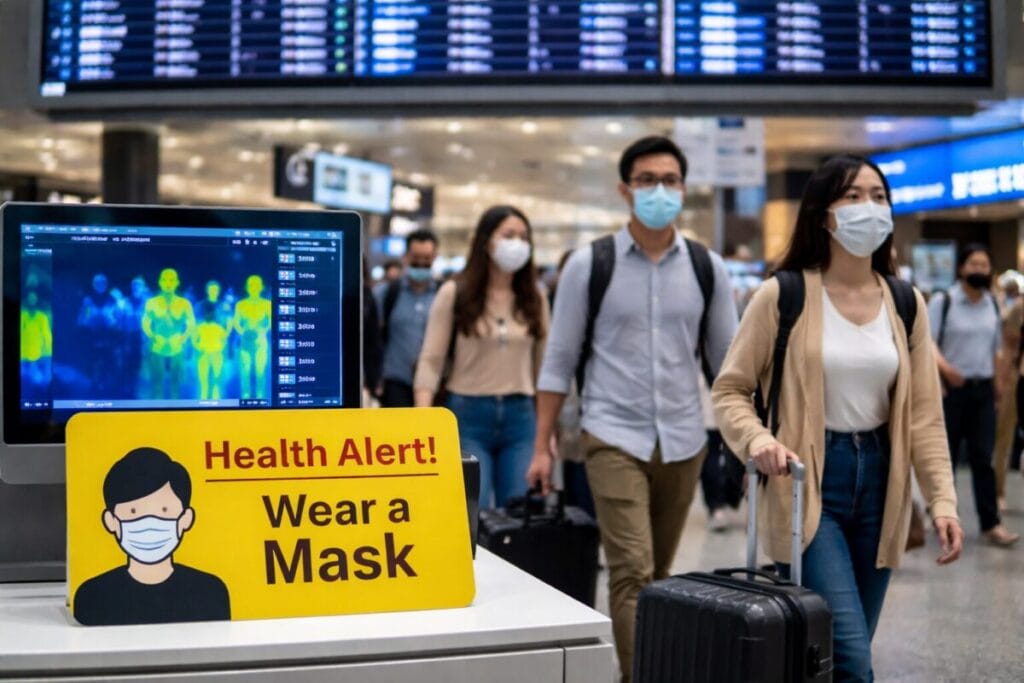
Malaysia Airports is advising passengers to wear face masks in crowded or enclosed terminal areas, especially during peak travel hours when physical distancing can be difficult. Travellers are also encouraged to monitor their health and seek medical assistance promptly if symptoms develop.
Airport staff have also been reminded to stay alert and follow health protocols to protect themselves and passengers. Cleaning and sanitation routines remain active across terminals, including restrooms, seating zones, and immigration checkpoints.
Officials emphasise that travellers should continue their journeys with confidence while maintaining sensible health habits.
Why Nipah Virus Raises Concern
Nipah virus is a zoonotic disease, meaning it spreads from animals to humans. Fruit bats are known natural carriers, and transmission can occur through contaminated food, infected animals, or close contact with infected individuals.
The virus is considered serious due to its high fatality rate and the severe symptoms it can cause, including respiratory distress and encephalitis, an inflammation of the brain. However, experts note that human-to-human transmission generally requires prolonged close contact, reducing the likelihood of rapid widespread outbreaks when proper precautions are taken.
Malaysia has particular historical awareness of the virus because the first large outbreak occurred in the country in 1998, in a village named Kampung Sungai Nipah. The episode led to major reforms in disease surveillance and livestock management.
Since then, Malaysia has strengthened monitoring systems to quickly detect potential risks.
Enhanced Screening at Entry Points
In response to the recent outbreak abroad, health authorities have increased surveillance at Malaysia’s international gateways, including Kuala Lumpur International Airport, Penang International Airport, and Kota Kinabalu International Airport.
Thermal scanners remain operational to identify travellers with fever, while targeted screening focuses on passengers arriving from regions currently reporting cases. Health declaration procedures may also be applied where necessary.
Authorities stress that screening measures are precautionary and designed to protect public safety without disrupting normal travel flows.
“One Health” Strategy Supports Prevention
Malaysia continues to apply the “One Health” framework, a collaborative approach recognising that human, animal, and environmental health are interconnected. Government agencies responsible for public health, veterinary services, and wildlife protection are coordinating surveillance efforts to detect any possible animal infections.
To date, no Nipah virus has been detected among animals within Malaysia, offering reassurance that domestic transmission risk remains low.
A Shared Responsibility Among Travellers
For many passengers, renewed health reminders may evoke memories of pandemic-era travel restrictions. However, officials emphasise that current measures are far less restrictive and focus on awareness rather than limitations.
A student returning home, a family visiting relatives, or a business traveller attending meetings all contribute to safer travel simply by practising good hygiene and reporting illness honestly. Wearing a mask in crowded settings or seeking medical advice when unwell protects both individuals and communities.
Travel Health Tips for Visitors
Passengers passing through Malaysian airports can further reduce risk by following basic precautions:
- Monitor health conditions for two weeks after travelling from high-risk areas.
- Wash hands regularly or use hand sanitiser, particularly after touching shared surfaces.
- Avoid consuming raw palm sap or fruits that appear partially eaten by animals, as these may carry contamination risks.
- Stay informed through official health announcements rather than social media speculation.
These habits support not only personal well-being but also broader public safety.
Tourism and Travel Continue Normally
Malaysia remains fully open to visitors, with tourism campaigns and travel promotions continuing nationwide. Hotels, attractions, and airlines are operating as usual, and visitor arrivals are expected to grow throughout 2026.
Health authorities underline that precautionary measures are a sign of readiness rather than danger. Malaysia’s swift response demonstrates lessons learned from past outbreaks and the country’s commitment to keeping its travel industry resilient.
By encouraging sensible precautions today, authorities hope to ensure smooth and safe travel experiences for everyone tomorrow.
As travellers prepare for their next journey through Malaysia’s airports, officials simply ask them to carry one extra essential item alongside their passports and tickets — a little added care for the safety of all.
For more travel news like this, keep reading Global Travel Wire