





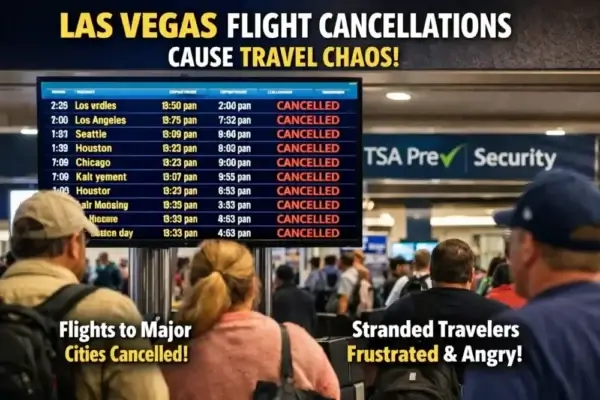


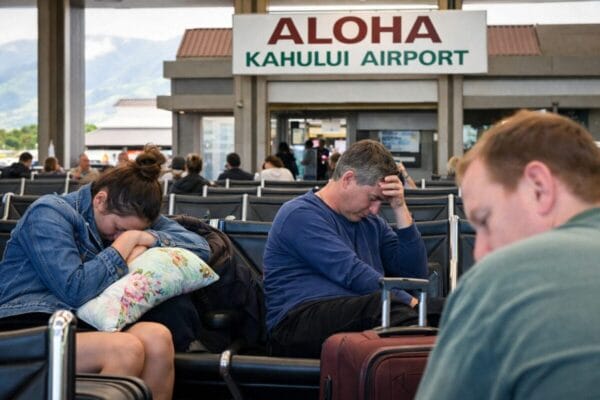
Kahului Airport in Maui has emerged as the U.S. airport with the longest average layover time, placing it at the center of growing concerns about travel efficiency, especially for business travelers. With average waiting periods exceeding five hours, the airport stands well above the national norm, which typically hovers around three and a half hours. While Maui remains one of America’s most desirable leisure destinations, its main airport is increasingly associated with prolonged waits that complicate travel schedules and test passenger patience.
The extended layovers at Kahului Airport are largely driven by structural and operational realities. Unlike major mainland hubs that operate hundreds or even thousands of daily flights, Kahului serves a relatively limited number of departures and arrivals each day. With roughly fewer than 100 scheduled flights on average, missed connections or limited onward options often result in long gaps between flights. For travelers connecting to or from the U.S. mainland, these gaps quickly add up, creating some of the longest layover experiences in the country.
For leisure travelers, an extended wait in Hawaii may be an inconvenience but often a manageable one. For business travelers, however, the impact is far more significant. Corporate travel is typically planned with precision, balancing tight schedules, meetings, conferences, and productivity expectations. Long layovers disrupt this balance, increasing fatigue and reducing efficiency. Many business travelers report that excessive waiting times directly affect their ability to perform, sometimes forcing them to reschedule or abandon meetings altogether.
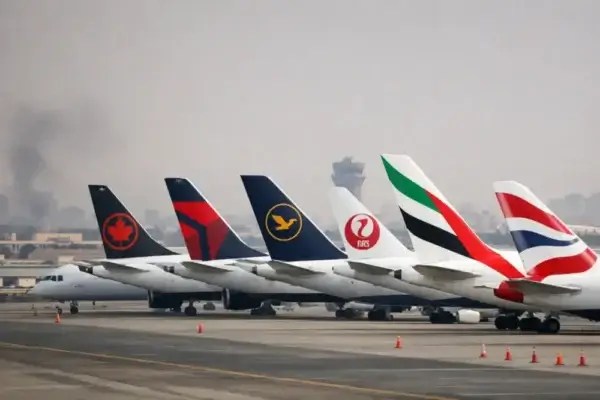
Kahului Airport now leads a list of U.S. airports known for lengthy layovers, surpassing even some of the nation’s busiest gateways. Other airports frequently associated with extended connection times include Honolulu, Miami, San Francisco, Los Angeles, New York’s JFK, Newark, and Chicago O’Hare. While these larger hubs handle far more traffic, congestion, weather disruptions, and airspace limitations often contribute to delays and extended waits. Still, none exceed Kahului’s average layover duration.
The issue highlights a broader challenge within the U.S. aviation and tourism system: balancing destination appeal with operational efficiency. Hawaii’s geographic isolation means flights are longer, routes are fewer, and scheduling flexibility is limited. These factors combine to create longer connection windows that ripple through travel itineraries. For companies sending employees to or through Hawaii, these inefficiencies translate into higher travel costs, lost work hours, and increased traveler fatigue.
Long layovers also expose limitations in airport infrastructure and services. Smaller airports like Kahului are designed primarily for origin-and-destination traffic rather than large volumes of connecting passengers. While the airport offers essential amenities, extended waits place pressure on seating capacity, food services, and quiet workspaces. Business travelers attempting to work during layovers may struggle to find suitable environments for calls, virtual meetings, or focused tasks.
Across the country, airports facing similar challenges are experimenting with strategies to improve the layover experience. Larger hubs have invested heavily in upgraded lounges, expanded dining options, wellness areas, and improved digital connectivity. These enhancements aim to turn unavoidable waiting time into something more productive or relaxing. However, smaller airports with space and funding constraints often find it harder to implement comparable upgrades at scale.
For corporate travel managers, the data underscores the importance of strategic planning. Choosing direct flights whenever possible remains the most effective way to avoid extended layovers, even if fares are slightly higher. When connections are unavoidable, allowing realistic buffer times and selecting airports with stronger service offerings can reduce stress and disruption. Advance planning also helps travelers mentally and logistically prepare for longer waits, improving overall trip outcomes.
Airlines, too, play a role in addressing the issue. Adjusting schedules, improving coordination between inbound and outbound flights, and increasing frequency on high-demand routes can help reduce connection times. However, in markets like Maui, demand fluctuates seasonally, making consistent scheduling a complex task. Airlines must balance operational efficiency with profitability while responding to growing traveler expectations.
From a tourism perspective, the prominence of Kahului Airport in layover rankings is a double-edged sword. Maui continues to attract millions of visitors annually, driven by its natural beauty, resorts, and cultural appeal. Yet as travelers become more time-conscious, especially in the business and premium travel segments, airport efficiency increasingly influences destination competitiveness. Long layovers can shape perceptions, even of highly desirable locations.
Looking ahead, improvements in travel management technology, data-driven scheduling, and airport modernization may gradually ease some of these challenges. As remote work and hybrid business models evolve, travelers may also gain greater flexibility in managing downtime during journeys. Still, the fundamental issue remains: long layovers are more than a minor inconvenience—they are a structural challenge affecting productivity, traveler wellbeing, and the overall travel experience.
Kahului Airport’s position at the top of U.S. layover rankings serves as a reminder that efficient connectivity matters as much as destination appeal. For travelers, businesses, airlines, and airport authorities alike, addressing prolonged waiting times will be essential to creating a smoother, more sustainable future for both tourism and business travel.
For more travel news like this, keep reading Global Travel Wire