







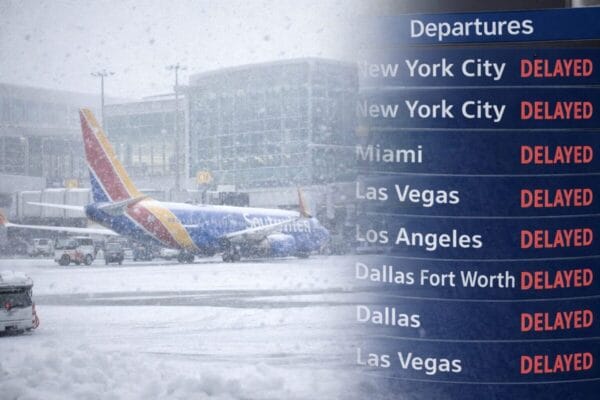
A renewed wave of winter weather is once again disrupting air travel across the United States, triggering widespread flight delays and cancellations that are rippling through the nation’s busiest airports. While snow, ice, and freezing conditions are concentrated in parts of the Midwest, Plains, and East Coast, the effects are being felt far beyond storm-affected regions. Airports such as Las Vegas, Chicago, Dallas, Charlotte, and several others are experiencing schedule disruptions as airlines struggle to restore normal operations.
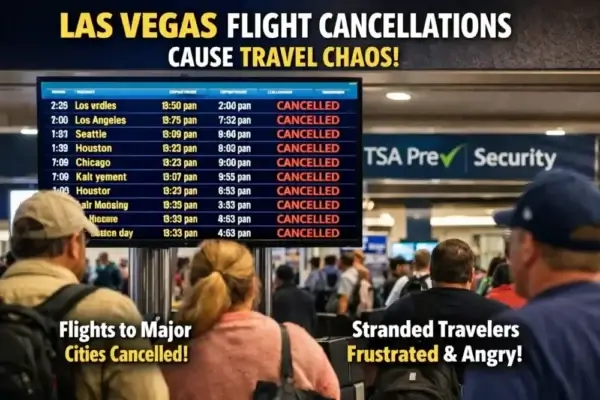
Harry Reid International Airport in Las Vegas has become a notable example of how weather thousands of miles away can derail travel plans. Despite clear skies and mild temperatures in Southern Nevada, travelers flying to and from Las Vegas are encountering delays caused by aircraft and crew shortages linked to storm-impacted hubs elsewhere in the country. For passengers, the disconnect between local weather conditions and flight disruptions can be frustrating, but it highlights how interconnected the U.S. aviation system has become.
Airlines are dealing with a complex chain reaction. When winter storms slow operations at major hubs such as Chicago O’Hare, Dallas–Fort Worth, or New York-area airports, aircraft and crews are often left out of position. This disrupts schedules nationwide, forcing airlines to delay, reroute, or cancel flights even at airports with ideal flying conditions. Las Vegas, a major destination airport with heavy reliance on inbound aircraft, is particularly vulnerable to these cascading effects.
Nationwide, thousands of flights have already been affected, with delays far outpacing cancellations. While Las Vegas is seeing fewer outright cancellations compared to storm-hit cities, delays are stacking up throughout the day as airlines attempt to recover. Flights connecting Las Vegas with Chicago, Dallas, Charlotte, and other high-traffic hubs are among the most affected, leaving travelers facing longer airport waits and uncertain arrival times.
Southwest Airlines, which operates a large share of flights at Harry Reid International Airport, has been especially impacted. As one of the nation’s largest domestic carriers with a point-to-point network, Southwest is highly sensitive to weather disruptions across multiple regions. Delays affecting one part of its network often echo across dozens of cities, affecting leisure travelers, convention attendees, and business passengers heading to or from Las Vegas.
The timing of the disruptions is particularly challenging for the tourism sector. Las Vegas remains one of the most visited cities in the United States, drawing millions of visitors for entertainment, conventions, sporting events, and leisure travel. Winter is traditionally a strong travel period for the city, with visitors escaping colder climates for Nevada’s mild weather. Flight delays risk shortening stays, disrupting conference schedules, and straining hotel and ground transportation planning.
However, Las Vegas has a long history of navigating travel disruptions. Its tourism infrastructure is designed to absorb fluctuations in arrival patterns, and hotels, resorts, and event organizers are accustomed to accommodating delayed guests. While some visitors may arrive later than planned, most trips continue, underscoring the city’s resilience as a global tourism destination.
Travelers heading to or through affected airports are being urged to plan carefully. Checking flight status frequently is essential, as schedules may change multiple times throughout the day. Airline mobile apps and airport notification systems remain the most reliable sources of real-time updates. Passengers should also be prepared for extended layovers, especially at major hubs experiencing heavy congestion due to weather-related air traffic control restrictions.
Flexibility is becoming increasingly important during winter travel. Passengers with tight connections may want to explore alternative routing options, including flying through secondary hubs or adjusting departure times. In some cases, arriving at nearby airports and completing the journey by ground transportation may reduce overall travel time, depending on conditions.
Travel insurance and airline change policies can also provide valuable protection during periods of widespread disruption. Many airlines offer flexible rebooking options during severe weather events, allowing passengers to adjust travel dates without additional fees. Staying in close contact with airlines can help travelers secure rebookings more quickly as capacity opens up.
Beyond the immediate challenges, the latest winter storm highlights broader trends affecting U.S. air travel. Increased demand, constrained staffing levels, and tightly scheduled aircraft rotations leave little margin for error during severe weather. As climate variability leads to more frequent extreme weather events, airlines and airports are under growing pressure to improve resilience and recovery strategies.
For now, travelers are advised to remain patient and proactive. While delays are inconvenient, safety remains the top priority, and airlines must operate within strict weather and air traffic control limits. Las Vegas and other major destinations are expected to rebound quickly once conditions improve, with airlines gradually restoring normal schedules.
Despite the current disruptions, the U.S. travel industry continues to show strong demand, and destinations like Las Vegas remain firmly on travelers’ itineraries. With informed planning and flexibility, passengers can still navigate winter travel challenges and reach their destinations—even if the journey takes a little longer than expected.
For more travel news like this, keep reading Global Travel Wire