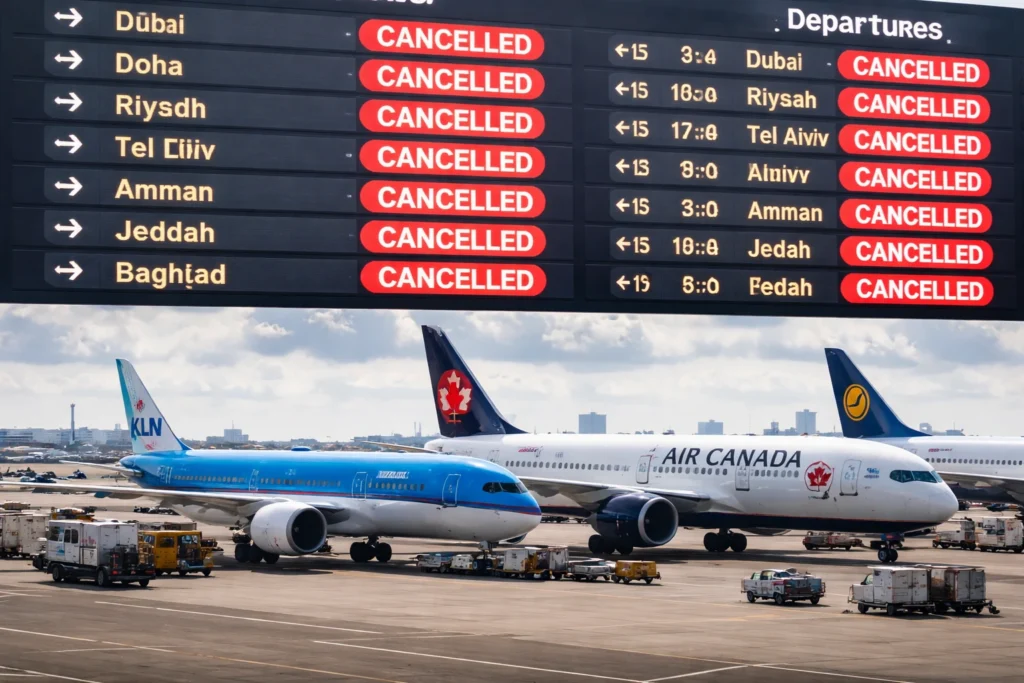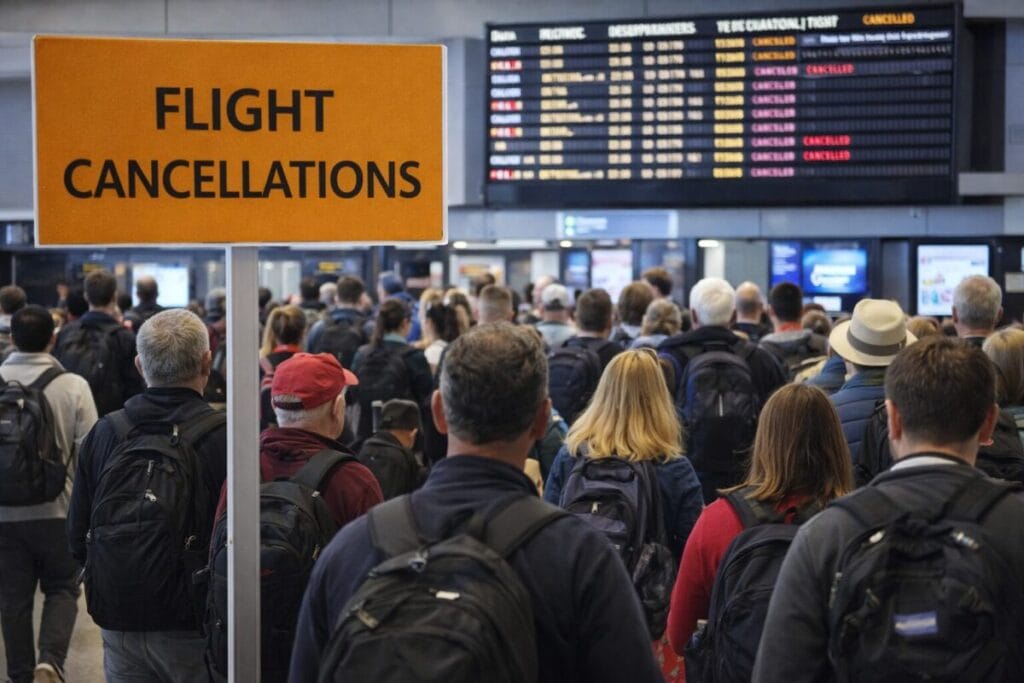
Travelers across the United States faced significant challenges this week as a wave of flight cancellations disrupted both domestic and international routes. More than 40 departures were cancelled across major airports, including Los Angeles, New York, Seattle, Chicago, Atlanta, Dallas-Fort Worth, Orlando, and Las Vegas. Airlines such as Delta, United, Southwest, Spirit, Air France, and several regional carriers were affected, leaving thousands of passengers scrambling to rearrange travel plans.
The cancellations impacted routes connecting major hubs with destinations across North America, Europe, Asia, and Australia, creating widespread delays and operational pressure throughout the aviation network. The disruptions highlight ongoing vulnerabilities in airline operations, where logistical challenges can quickly ripple across multiple regions.
Major Airports Experience High Levels of Disruption
Several key US aviation hubs experienced a high concentration of cancellations, amplifying the impact on travelers.
Atlanta’s primary airport saw multiple departures cancelled to regional and domestic destinations, affecting travelers connecting through one of the busiest transit hubs in the world. Dallas-Fort Worth and Denver also experienced cancellations that disrupted connections across central and western United States routes.
Los Angeles International Airport faced cancellations involving both domestic and long-haul international flights. Travelers heading to Australia and various US cities encountered schedule changes, while passengers traveling along the West Coast experienced reduced service frequency.
In New York, cancellations at a major international gateway affected transatlantic routes to Europe as well as domestic services. The impact extended beyond a single airport, with nearby regional connections also facing delays and rescheduling challenges.
Meanwhile, Seattle-Tacoma International Airport experienced disruptions affecting both domestic routes to Alaska and long-haul international flights to Asia, demonstrating how cancellations at strategic hubs can influence travel across entire airline networks.
Domestic and International Routes Impacted
The cancelled flights covered a wide range of destinations. Domestic routes connecting major cities such as Houston, Chicago, San Jose, Denver, El Paso, and Newark experienced significant disruption. These routes are often used by travelers connecting to international flights, meaning that cancellations in one segment frequently triggered cascading delays elsewhere.
International travel also faced challenges, with routes to European capitals and long-haul destinations affected. Flights connecting the United States to cities like Paris, Madrid, Melbourne, and Manila were among those disrupted, forcing travelers to seek alternative itineraries or wait for rebooking options.
Because airline networks rely heavily on precise scheduling and aircraft rotation, cancellations in one region can impact operations far beyond the initial departure location.
Passenger Experience: Long Lines and Rebooking Challenges
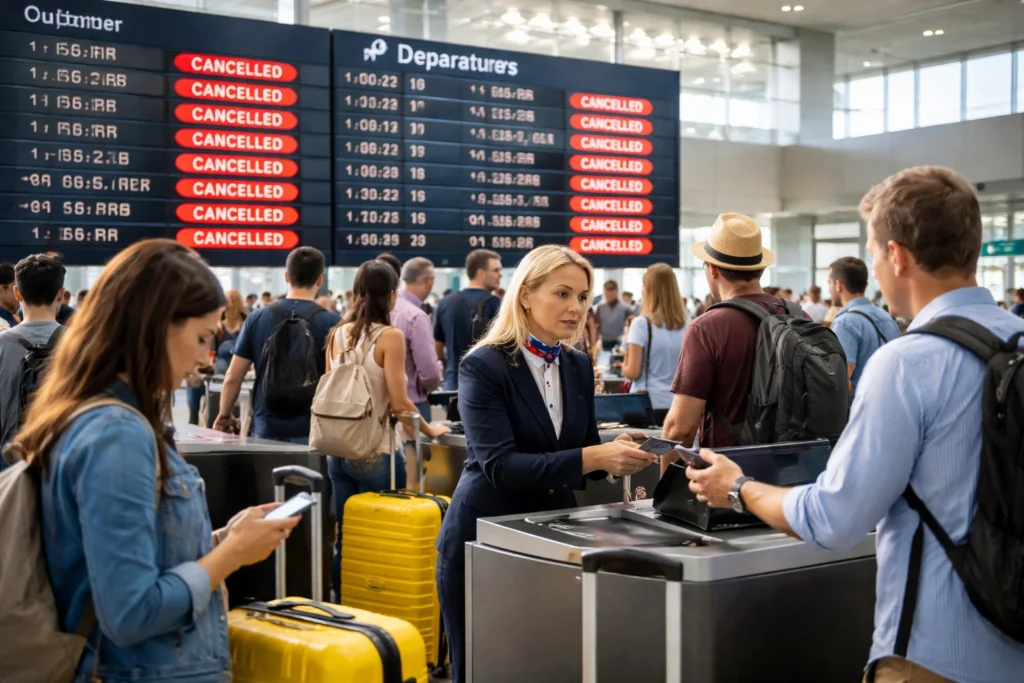
Travelers arriving at airports during the disruption reported long queues at customer service desks, limited seat availability on alternative flights, and extended waiting times for assistance. Many passengers faced missed connections, particularly those traveling internationally or using multiple airline partners.
When cancellations occur across multiple carriers simultaneously, rebooking becomes more complex because airlines compete for limited remaining seats. This can lead to overnight delays or unexpected changes to travel routes.
Families traveling with children, business travelers with tight schedules, and international tourists unfamiliar with airport procedures were among those most affected.
Causes Behind the Disruptions
While individual airlines may experience cancellations for different reasons, industry observers note several common factors that contribute to widespread disruptions.
Operational challenges such as staffing shortages, aircraft availability, and maintenance issues can create sudden schedule changes. Weather conditions in certain regions may also affect flight operations, especially during winter months when storms and strong winds impact airport capacity.
Additionally, airline networks operate as interconnected systems. Delays or cancellations at one hub can quickly spread across multiple routes as aircraft and crews move throughout the network during the day.
The growing demand for air travel following recent industry recovery has also increased pressure on airline operations, making schedules more sensitive to unexpected disruptions.
Tourism and Economic Impact
Beyond individual passenger inconvenience, flight cancellations can have broader consequences for tourism and local economies. Destinations reliant on visitor arrivals may experience reduced bookings when travelers are unable to reach their planned locations.
Hotels, tour operators, and local businesses in major tourism cities may see short-term declines in customer traffic when cancellations affect peak travel periods. International tourism is particularly vulnerable because missed long-haul flights often lead to postponed or cancelled trips entirely.
Airlines must also absorb financial costs associated with rebooking passengers, providing accommodations when required, and adjusting operational schedules to recover from disruptions.
Advice for Travelers Navigating Airline Disruptions
Travel experts recommend that passengers remain proactive during periods of airline disruption. Checking flight status regularly, downloading airline apps for real-time updates, and enabling notifications can help travelers respond quickly to schedule changes.
Booking flexible tickets or travel insurance may provide additional protection against unexpected cancellations. Arriving at the airport earlier than usual can help reduce stress during busy periods when lines for assistance grow longer.
Having alternative travel plans, such as backup routes or flexible accommodation arrangements, can also help travelers manage sudden itinerary changes.
Outlook for US Aviation
Despite the challenges, the aviation industry continues to work toward improving operational resilience. Airlines are investing in technology, staffing improvements, and scheduling strategies aimed at reducing future disruptions.
However, the latest wave of cancellations serves as a reminder of how quickly operational issues can affect travel nationwide. For passengers, staying informed and flexible remains essential when navigating modern air travel, especially during periods of heightened demand or operational strain.
For more travel news like this, keep reading Global Travel Wire