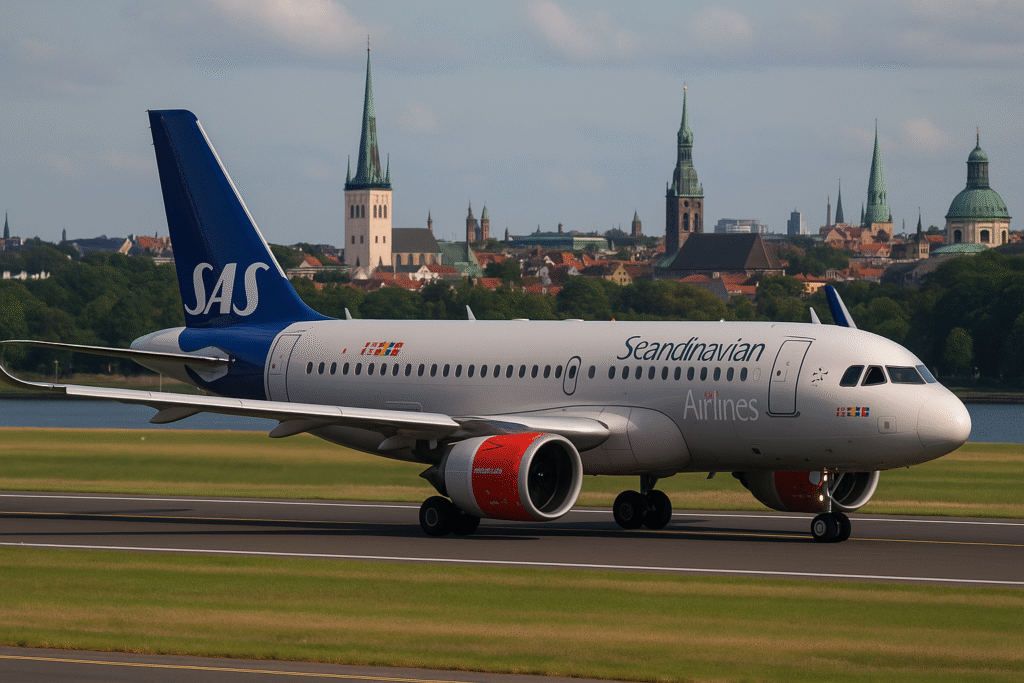
Sweden’s tourism industry is experiencing turbulence following the restructuring of Braathens Regional Airlines, once a key player in Scandinavian travel. The carrier’s bankruptcy of its Airbus operations forced a wave of cancellations on domestic and regional routes. This disruption strained air connections to major cities and nearby hubs in Denmark, Norway, and Germany. Despite these challenges, Sweden’s tourism industry remains resilient. With support from SAS Scandinavian Airlines, Austrian Airlines, and a strong hotel network, visitors continue to enjoy smooth access to the country’s cultural and natural treasures.
Braathens Restructure and the Impact on Travel
Braathens Regional Airlines announced a restructuring plan that focuses on a smaller fleet of ATR 72-600 aircraft. The shift followed the collapse of its Airbus operations, which left many routes canceled or suspended.
This move reduced international connectivity between Sweden and key destinations such as Copenhagen, Oslo, and Berlin. Tourists who relied on Braathens for affordable regional flights faced limited options and disrupted itineraries. Sweden’s tourism authorities recognized the pressure on regional mobility but highlighted alternative connections through larger carriers.
SAS and Austrian Airlines Offer Reliable Alternatives
Scandinavian Airlines, known as SAS, has stepped in to fill the gap left by Braathens. SAS expanded its services on key domestic and regional routes. The airline now ensures strong connections between Stockholm, Gothenburg, and Malmö, as well as international routes to Copenhagen, Oslo, and Helsinki.
For long-haul travelers, SAS offers regular flights from cities such as New York, London, and Paris, making Sweden accessible from across the globe. Tourists appreciate SAS for its reliable schedules and extensive Scandinavian network.
Austrian Airlines also provides critical support, connecting Stockholm and Gothenburg to Vienna. From Vienna, travelers can easily continue their journeys to Europe, Asia, and North America. Known for efficient service and strong connections, Austrian Airlines ensures visitors still reach Sweden without complicated detours.
Tourism Sector Feels Pressure but Adapts
The cancellations created temporary stress for Sweden’s tourism economy, which reported over 64 million overnight stays in 2024. Many visitors come from nearby countries such as Denmark, Germany, and Norway, while long-haul arrivals continue from the United States and the United Kingdom.
When Braathens flights vanished from schedules, hotel bookings in Stockholm, Gothenburg, and Malmö faced unusual shifts. Chains such as Radisson Blu, Scandic Hotels, and Elite Hotels managed the sudden changes by relying on flexible policies and expanded services. Sweden’s hotel sector proved its adaptability, offering visitors security even during transport disruptions.
Hotels Keep Visitors Comfortable
Radisson Blu remains a popular choice for international travelers. With locations near Stockholm Arlanda Airport, Malmö Central Station, and Gothenburg’s city center, Radisson Blu makes life easier for stranded passengers. Services like shuttle transfers and flexible check-in times help travelers facing flight delays or cancellations.
Scandic Hotels offers over 200 properties across Sweden. Families, business travelers, and budget-conscious tourists appreciate the chain’s wide range of prices and styles. Scandic also focuses on sustainability, which appeals to eco-conscious visitors. The hotels are often located near tourist attractions, making them convenient for sightseeing.
Elite Hotels, a smaller chain, provides historic properties with modern amenities. These boutique-style options allow travelers to enjoy Sweden’s charm in more intimate settings. Combined with guesthouses, boutique hotels, and Airbnb stays, Sweden ensures accommodation choices for every taste and budget.
Travel Tips for Visitors
Tourists visiting Sweden during airline restructuring can still travel confidently with careful planning. Checking flight schedules regularly helps avoid surprises. SAS and Austrian Airlines allow rebooking options for travelers impacted by Braathens cancellations, ensuring trips continue with minimal disruption.
Booking hotels early reduces the risk of last-minute shortages, especially during busy summer months. Sweden’s public transport system provides excellent alternatives as well. Trains, buses, and ferries connect cities and regions, offering travelers more flexibility when flights are disrupted.
Remaining adaptable remains key. Visitors who embrace flexible itineraries still experience Sweden’s cultural riches, from Stockholm’s historic Gamla Stan to the scenic fjäll landscapes in the north.
Sweden’s Resilient Tourism Strength
Despite turbulence in the air travel sector, Sweden’s appeal as a tourist destination remains undiminished. International visitors come for world-class museums, vibrant design culture, and outdoor adventures. Stockholm and Gothenburg continue to attract city explorers, while Lapland offers unforgettable northern lights experiences.
Government tourism boards continue to promote Sweden as an accessible and welcoming destination. Partnerships with major airlines secure international access, while the hospitality sector ensures travelers feel at home.
Conclusion
The restructuring of Braathens Regional Airlines created disruption but not disaster. Sweden’s tourism industry remains strong, supported by SAS, Austrian Airlines, and world-class hotels such as Radisson Blu and Scandic.
Travelers can still rely on efficient flight connections, flexible hotel policies, and reliable public transport. With resilience and adaptability, Sweden continues to showcase its vibrant cities, stunning landscapes, and cultural heritage to the world.
For visitors planning a 2025 trip, the message is clear: Sweden is ready, accessible, and eager to welcome you.
For more travel news like this, keep reading Global Travel Wire