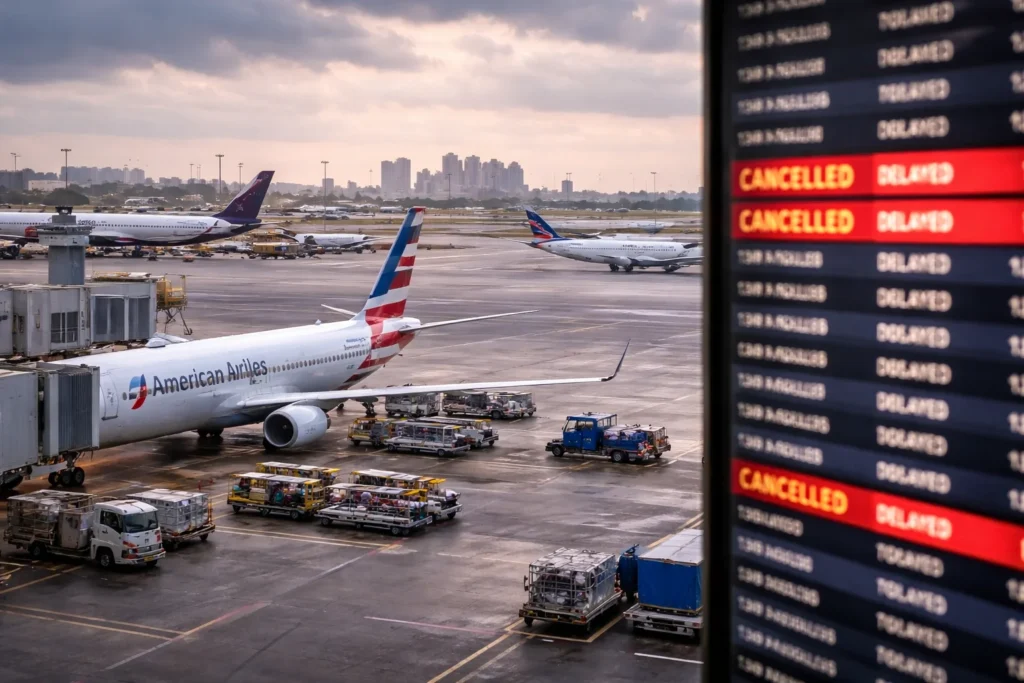
Air travel across the United States experienced widespread disruption during the Easter 2026 holiday period, as surging passenger demand strained airport operations and airline schedules. According to official updates from aviation authorities and transport agencies, thousands of flights were delayed or canceled, affecting major tourism gateways and creating significant challenges for travelers nationwide.
Key aviation hubs such as Hartsfield-Jackson Atlanta International Airport, Dallas/Fort Worth International Airport, Chicago O’Hare International Airport, and George Bush Intercontinental Airport reported high levels of congestion during the peak travel period. These airports, recognized by federal aviation and tourism agencies as critical nodes in the national air travel network, handle millions of passengers annually and play a vital role in supporting domestic and international tourism.
Transport authorities confirmed that the surge in delays and cancellations coincided with one of the busiest travel periods of the year. The Easter holiday typically sees a sharp rise in passenger volumes, driven by both domestic tourism and international travel. In 2026, this seasonal demand placed additional pressure on airline operations, leading to a ripple effect across multiple airports.
Official aviation data indicates that thousands of flights experienced delays over consecutive days, with cancellations also reaching significant levels. On the days leading up to the Easter weekend, disruptions intensified as airlines worked to manage increased traffic and operational constraints. Civil aviation authorities noted that such disruptions are often the result of a combination of factors, including high passenger demand, aircraft rotation challenges, and airport capacity limitations.
For the tourism sector, the impact of these disruptions was immediate. Major cities that rely heavily on air connectivity saw delays in visitor arrivals, affecting travel plans, hotel bookings, and local tourism activities. Tourism boards in key destinations emphasize the importance of reliable air transport in maintaining visitor satisfaction and supporting economic activity.
The concentration of disruptions at major hub airports further amplified the situation. Airports like Atlanta, Dallas-Fort Worth, Chicago O’Hare, and Houston serve as primary connection points for travelers across the country. When delays occur at these hubs, they often cascade through the network, affecting flights in multiple regions.
Federal aviation agencies have highlighted the need for coordinated efforts to manage peak travel demand. Investments in airport infrastructure, air traffic management systems, and operational efficiency are part of ongoing strategies to address such challenges. These initiatives aim to improve resilience during high-demand periods and ensure smoother travel experiences for passengers.
Airlines, meanwhile, have implemented contingency measures to manage disruptions. These include adjusting flight schedules, reallocating aircraft, and providing support services to affected passengers. While such measures help mitigate the impact, the scale of the Easter travel surge in 2026 demonstrated the limits of current capacity under extreme demand conditions.
Travelers faced a range of challenges during this period. Long wait times, missed connections, and last-minute itinerary changes became common experiences. Aviation authorities issued advisories encouraging passengers to arrive early at airports, monitor flight updates, and allow additional time for connections. These recommendations were aimed at helping travelers navigate the busy travel environment more effectively.
The disruptions also highlight broader trends in the US tourism and aviation sectors. Official statistics show a steady increase in travel demand, reflecting strong recovery and growth in both domestic and international tourism. As more people choose to travel during peak holiday periods, the pressure on aviation infrastructure continues to grow.
From a policy perspective, transport and tourism ministries are focusing on long-term solutions to enhance system capacity. This includes expanding airport facilities, improving coordination between airlines and air traffic control, and leveraging technology to optimize operations. Such measures are essential to accommodate future growth and reduce the likelihood of widespread disruptions.
Despite the challenges, authorities emphasize that the aviation system remains robust and capable of adapting to high demand. The Easter 2026 travel period serves as a reminder of the importance of planning and preparedness, both for industry stakeholders and travelers.
For the tourism industry, maintaining reliable connectivity is critical. Delays and cancellations not only affect individual travelers but also have broader implications for destination competitiveness. Ensuring efficient air travel operations is therefore a priority for governments and tourism boards alike.
Looking ahead, experts anticipate that peak travel periods will continue to test the limits of the aviation system. Continued investment in infrastructure and operational improvements will be key to supporting sustained tourism growth. In the meantime, travelers are encouraged to remain flexible and informed when planning journeys during busy seasons.
The Easter 2026 disruptions underscore the dynamic nature of air travel and the interconnectedness of aviation and tourism. As the United States continues to welcome increasing numbers of travelers, the focus remains on enhancing resilience and delivering a seamless travel experience across the country.
For more travel news like this, keep reading Global Travel Wire