Vietnam is rapidly advancing one of its most ambitious infrastructure projects as Long Thanh International Airport moves closer to welcoming its first commercial flights by late 2026. Positioned as a cornerstone of the country’s aviation strategy, the airport is expected to transform travel, tourism, and logistics across Southeast Asia.
Authorities have reaffirmed their commitment to meeting the strict timeline, with construction progressing at an accelerated pace. The project reflects Vietnam’s broader push to modernize its transport network and strengthen its position as a major regional travel hub.
Construction Gains Momentum Across Key Facilities
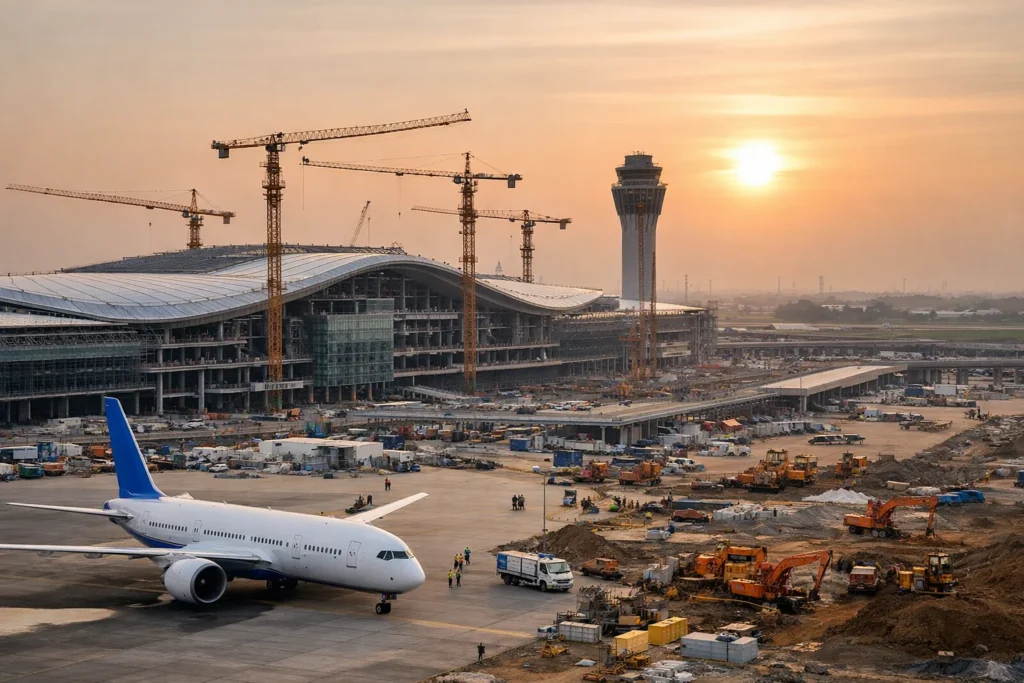
The Long Thanh Airport site has become one of the busiest construction zones in the country, with thousands of workers and engineers operating around the clock. Major components of the project are nearing completion, including the runway, aircraft parking areas, and air traffic control infrastructure.
The passenger terminal, a central feature of the airport, is now entering its final development phase. Installation of essential systems such as baggage handling, utilities, and operational equipment is progressing steadily.
Government updates indicate that a significant portion of the total project value has already been completed, ensuring that construction remains on track. The high level of coordination between contractors and authorities has been key to maintaining momentum.
Strong Government Oversight Ensures Quality
Vietnam’s leadership has placed strong emphasis on maintaining high standards throughout the construction process. Officials have stressed that while speed is important, it must not compromise safety, quality, or environmental considerations.
Strict monitoring systems have been implemented to ensure compliance with regulations, while financial and administrative processes are being streamlined to prevent delays. Authorities are also addressing challenges such as rising material costs and logistical constraints to keep the project moving forward.
In addition, management structures are being strengthened to improve coordination between various stakeholders. Dedicated teams have been assigned to identify and resolve potential bottlenecks, ensuring that deadlines are met without sacrificing efficiency.
Expanding Transport Links to Support the Airport
A key focus of the project is the development of extensive transport connections that will link Long Thanh Airport with major urban centers and surrounding regions. These upgrades are essential to ensure seamless access for passengers and cargo once the airport becomes operational.
Plans include the extension of metro lines, upgrades to major highways, and the construction of new expressways. These routes will connect the airport to Ho Chi Minh City and other important economic zones, reducing travel time and improving accessibility.
Urban rail systems are also being developed to integrate the airport into the broader transportation network. This multi-modal approach is designed to provide travelers with efficient and convenient options for reaching the airport.
One of the most significant developments is the planned connection between Long Thanh Airport and the existing Tan Son Nhat Airport. This link will create a coordinated aviation system, allowing for better distribution of passenger traffic and reducing congestion in the region.
Boosting Regional Development in Dong Nai Province
The impact of Long Thanh Airport extends beyond aviation, with significant benefits expected for Dong Nai Province and surrounding areas. Infrastructure improvements, including roads and utilities, are being implemented to support the airport’s operations and stimulate local development.
The project is expected to attract investment, create jobs, and drive economic growth in the region. As connectivity improves, businesses and tourism-related services are likely to expand, contributing to a more dynamic local economy.
Urban planning initiatives are also being introduced to develop an “airport city” around Long Thanh. This concept aims to combine aviation, commerce, and residential development, creating a modern urban hub centered on the airport.
Strengthening Vietnam’s Tourism and Aviation Sector
Once operational, Long Thanh Airport is set to play a crucial role in supporting Vietnam’s rapidly growing tourism industry. The country has become an increasingly popular destination for international travelers, known for its cultural heritage, natural landscapes, and vibrant cities.
The new airport will help accommodate rising passenger numbers by easing pressure on existing facilities. It will also enable the introduction of new international routes, improving connectivity with key global markets.
For tourists, the improved infrastructure means easier access to destinations across Vietnam. Enhanced transport links will allow visitors to travel more efficiently between cities, beaches, and cultural sites.
A Strategic Vision for Future Growth
Long Thanh Airport is a central component of Vietnam’s long-term aviation strategy. The project is designed not only to meet current demand but also to accommodate future growth in passenger and cargo traffic.
By integrating the airport with modern transport systems and urban development plans, Vietnam is creating a sustainable model for expansion. This approach ensures that the airport can adapt to changing travel trends and technological advancements.
The development also reflects Vietnam’s ambition to become a key transit hub in the Asia-Pacific region, connecting travelers between major international destinations.
Preparing for a Landmark Opening
As construction progresses toward completion, preparations are underway to ensure a smooth launch of operations. Authorities are focusing on testing systems, training personnel, and finalizing operational procedures.
The goal is to deliver a world-class airport that meets international standards and provides a high-quality experience for passengers. From advanced technology to efficient services, Long Thanh Airport aims to set a new benchmark for aviation in the region.
A Transformational Project for Vietnam
The development of Long Thanh Airport represents a significant milestone in Vietnam’s journey toward modernization. By combining infrastructure investment, strategic planning, and strong governance, the country is laying the foundation for sustained growth.
The airport is expected to enhance connectivity, boost tourism, and support economic development on a national scale. As the 2026 launch approaches, Long Thanh is poised to become a symbol of Vietnam’s progress and ambition in the global aviation landscape.
With its comprehensive approach to development and a clear focus on the future, Vietnam is positioning itself as a leading destination for travelers and a key player in international air transport.