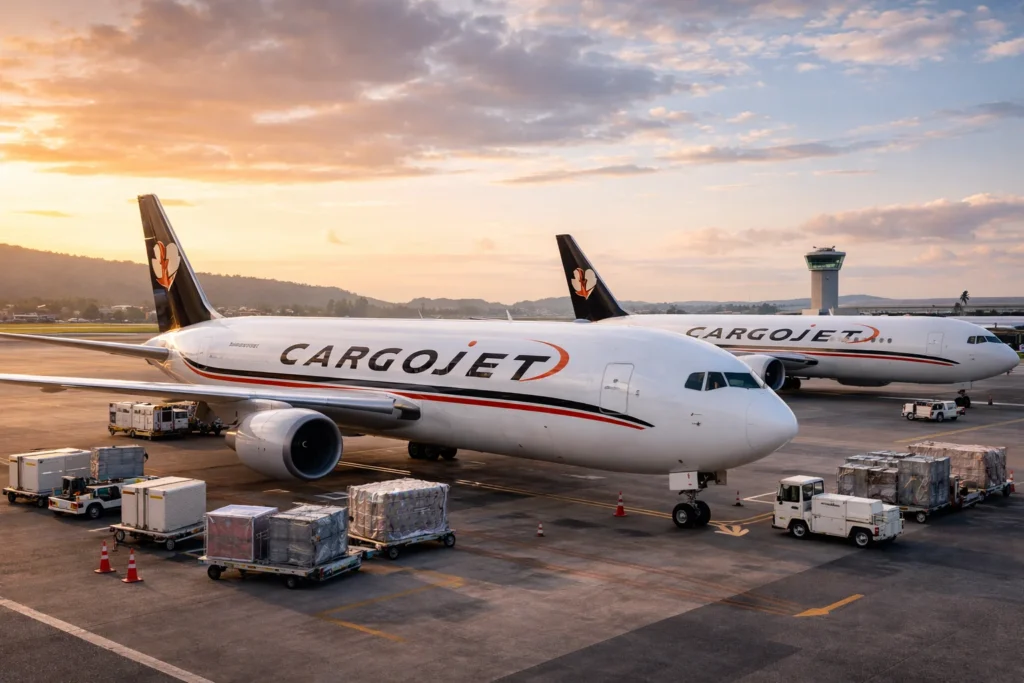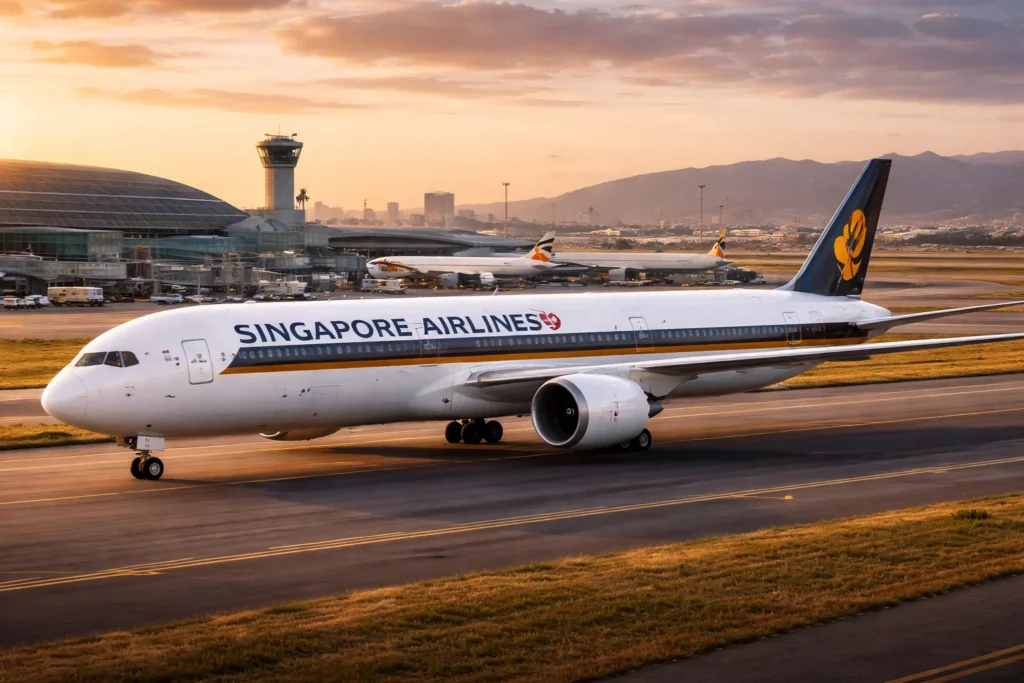
The evolution of ultra-long-haul aviation is reshaping global tourism, with the Boeing 787 Dreamliner playing a central role in connecting distant destinations through nonstop travel. Designed to unlock new point-to-point routes, the aircraft has enabled airlines to operate some of the longest commercial flights in the world, transforming how travelers move across continents.
The introduction of the Boeing 787 marked a turning point in aviation strategy. Instead of relying on traditional hub-and-spoke systems, airlines began offering direct connections between cities that were previously linked only through multiple stopovers. This shift has significantly improved travel convenience, reduced journey times, and expanded tourism opportunities worldwide.
Global aviation authorities and international transport bodies have consistently highlighted the importance of expanding long-haul connectivity. Official forecasts indicate that global passenger traffic is expected to grow substantially in the coming decades, driven by rising incomes, expanding middle-class populations, and increased interest in international travel. The Dreamliner’s efficiency and range are helping airlines meet this growing demand.
Among the longest routes operated by the Boeing 787 are several that connect major tourism and business hubs across North America, Asia, Europe, and Australia. These routes are not only engineering achievements but also critical links that support tourism flows and economic exchange.
One of the notable long-haul connections links San Francisco and Singapore, a route that spans over 17 hours. This service connects the United States West Coast with Southeast Asia, supporting tourism, trade, and cultural exchange. The high capacity of the aircraft allows airlines to carry a significant number of passengers, making the route both commercially viable and strategically important.
Another key route connects Dallas/Fort Worth with Sydney, linking North America with Australia’s largest city. Despite operating at lower frequency due to the demands of such a long journey, this route caters to premium travelers seeking direct access between the two regions. It reflects the growing demand for nonstop travel, particularly among business and high-value leisure passengers.
The Sydney to Houston route is also among the longest operated by the Dreamliner. This connection serves as a vital link between Australia and the southern United States, providing access to a major aviation hub. From Houston, travelers can connect to a wide network of domestic destinations, enhancing the overall travel experience.
Routes such as New York to Auckland further demonstrate the aircraft’s capability to bridge vast distances. This connection between North America and New Zealand has become an important tourism corridor, offering travelers a direct option that eliminates the need for intermediate stops. Tourism authorities have emphasized the importance of such routes in attracting international visitors and boosting local economies.
The Perth to Paris route is another example of how ultra-long-haul flights are expanding global connectivity. By linking Western Australia directly with Europe, this route supports tourism growth and strengthens ties between the two regions. Government tourism agencies have noted that improved air access is a key factor in increasing visitor numbers.
One of the longest Dreamliner routes connects Melbourne with Dallas/Fort Worth, highlighting the aircraft’s ability to operate near the limits of its range. This route supports both tourism and business travel, offering a direct link between Australia and a major US gateway. Variations in flight times due to wind patterns illustrate the operational complexities of ultra-long-haul aviation.
The longest Boeing 787 route in operation connects Perth with London Heathrow, representing a milestone in aviation history. This nonstop service between Australia and Europe has redefined long-distance travel, reducing journey times and enhancing passenger convenience. It also reflects the broader trend toward direct connectivity, which is increasingly preferred by travelers.
Tourism boards and ministries around the world have recognized the impact of such routes on destination growth. Direct flights are often associated with increased visitor arrivals, higher spending, and stronger economic benefits. By reducing travel barriers, ultra-long-haul services make destinations more accessible and attractive to international tourists.
The Boeing 787’s advanced technology plays a crucial role in enabling these routes. Its fuel efficiency, extended range, and passenger comfort features allow airlines to operate long flights while maintaining economic viability. These capabilities align with government and industry goals of promoting sustainable and efficient aviation.
From a traveler’s perspective, the rise of ultra-long-haul flights offers greater flexibility and convenience. Passengers can reach distant destinations without the stress of multiple connections, making long journeys more comfortable and time-efficient. This is particularly important for tourism, where ease of travel can influence destination choices.
The growth of Boeing 787 routes also reflects broader changes in global travel patterns. As more people seek unique and distant experiences, airlines are responding by expanding their networks and offering new direct connections. This trend is expected to continue as demand for international travel increases.
Looking ahead, the role of ultra-long-haul aviation in tourism development is likely to expand further. Governments and aviation authorities are investing in infrastructure and policy frameworks to support long-distance travel. Airlines, in turn, are exploring new routes that can connect emerging destinations with established tourism markets.
The Boeing 787 Dreamliner has become a symbol of this transformation, enabling journeys that were once considered impractical. By bridging continents and bringing people closer together, these long-haul routes are not only redefining aviation but also shaping the future of global tourism.