Brazil’s tourism industry achieved a historic breakthrough in 2025. The country welcomed a record nine million international visitors. This milestone marked one of the strongest tourism years in Brazil’s history. Argentina played the central role in driving this growth. It surpassed the United States, Canada, and several regional markets as Brazil’s largest tourism source.
Argentina Emerges as Brazil’s Leading Tourism Market
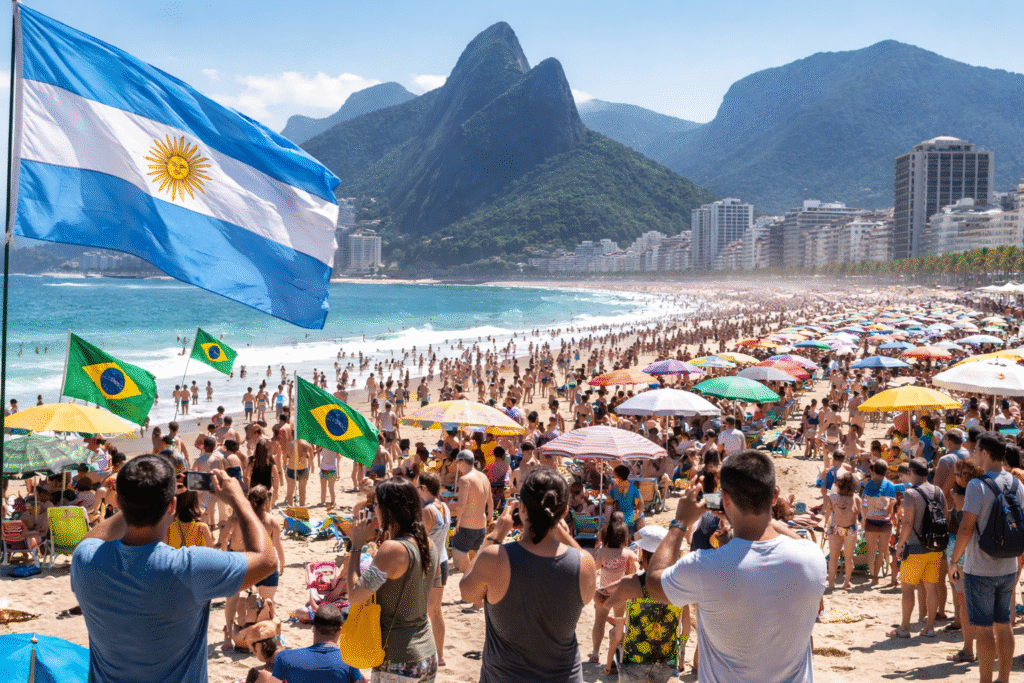
Argentina became Brazil’s top international tourism market in 2025. Argentine travelers accounted for more than one third of all foreign arrivals. This surge reflected strong cultural ties, geographic proximity, and improved travel access. Affordable airfare and frequent cross-border flights encouraged travel throughout the year. Argentine visitors traveled for leisure, events, shopping, and beach tourism.
Regional Markets Trail Argentina’s Strong Performance
Other Latin American markets continued to support Brazil’s tourism expansion. Chile ranked among the strongest contributors with steady growth. Uruguay and Paraguay also delivered solid increases in visitor numbers. Peru and Colombia sent growing numbers of travelers seeking cultural and nature-based experiences. However, none matched Argentina’s scale or growth pace.
United States and Canada Remain Key Long-Haul Markets
The United States remained an important long-haul source market for Brazil. New direct flights supported consistent demand from American travelers. US visitors favored major cities, beaches, and cultural festivals. Canada also contributed steady growth through expanded air connectivity. However, both markets trailed Argentina’s overall impact.
Improved Air Connectivity Drives Visitor Growth
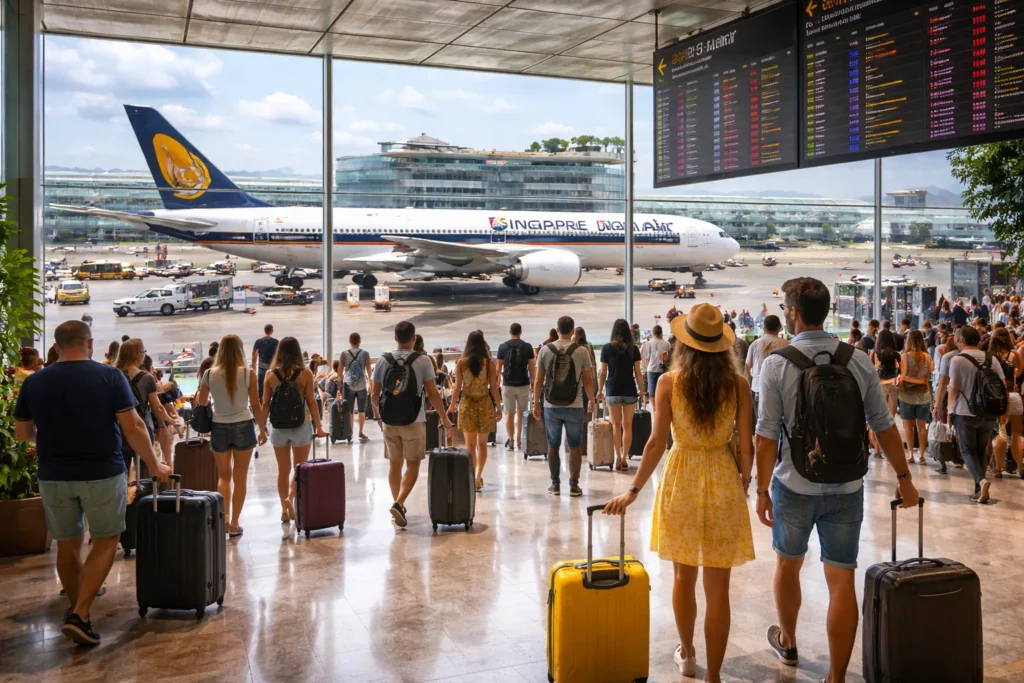
Expanded air connectivity supported Brazil’s tourism boom. Airlines added new routes linking South America, North America, and Europe to Brazil. Increased seat capacity reduced travel costs and improved accessibility. Major hubs in São Paulo and Rio de Janeiro handled record passenger volumes. Regional airports also benefited from stronger domestic and international links.
Infrastructure Investments Enhance Visitor Experience
Brazil continued investing heavily in tourism infrastructure. Airport upgrades improved passenger flow and comfort. New terminals expanded capacity at major gateways. Transportation improvements enhanced access to popular destinations. Hotels, resorts, and attractions expanded services to meet rising demand.
Iconic Destinations Attract Global Travelers
Brazil’s iconic destinations continued to draw international attention. Rio de Janeiro attracted visitors with beaches, landmarks, and festivals. São Paulo appealed to travelers seeking culture, gastronomy, and business tourism. Salvador showcased heritage, music, and coastal experiences. These cities formed the backbone of Brazil’s tourism appeal.
Nature and Adventure Tourism Gain Momentum
Brazil’s natural attractions strengthened tourism diversification. The Amazon Rainforest attracted eco-tourists and adventure travelers. The Pantanal appealed to wildlife enthusiasts and photographers. Iguazu Falls remained a top attraction for international visitors. These destinations boosted longer stays and repeat visits.
Major Events Boost International Arrivals
Large-scale events played a crucial role in tourism growth. Carnival celebrations drew millions of visitors across several cities. Music festivals and cultural events expanded Brazil’s global visibility. Sporting events and conventions increased business travel. Event-driven tourism supported year-round demand.
Sustainability Shapes Brazil’s Tourism Strategy
Brazil placed sustainability at the center of its tourism strategy. Authorities promoted responsible travel practices nationwide. Conservation efforts supported eco-tourism development. Community-based tourism gained visibility in rural regions. These initiatives aligned tourism growth with environmental protection.
Government Policies Support Tourism Expansion
Government tourism policies supported market diversification. Promotional campaigns targeted neighboring countries and long-haul markets. Visa facilitation improved entry for key visitor groups. Public and private partnerships strengthened destination marketing. These measures enhanced Brazil’s competitive position.
Economic Benefits Spread Across Regions
Tourism growth delivered broad economic benefits. Hospitality employment increased across major cities and regions. Small businesses benefited from rising visitor spending. Transportation and entertainment sectors saw higher demand. Tourism revenue supported regional development initiatives.
Brazil Strengthens Global Tourism Position
Brazil’s record tourism performance strengthened its global standing. The country emerged as a top destination in the Americas. Strong regional demand reduced dependence on long-haul markets. Argentina’s leadership reshaped Brazil’s tourism source balance. This shift increased resilience against global market fluctuations.
Outlook for Brazil Tourism Remains Strong
Brazil’s tourism outlook remains positive beyond 2025. Continued infrastructure investment supports future growth. Airlines plan additional route expansions. Sustainability initiatives attract conscious travelers. Regional partnerships strengthen cross-border tourism flows.
Final Takeaway for Global Travelers
Argentina’s rise as Brazil’s top tourism market marked a turning point. Brazil achieved record international arrivals through connectivity and investment. Cultural appeal and natural beauty sustained global interest. Diversified markets strengthened long-term stability. Brazil now stands firmly among the world’s leading tourism destinations.
For more travel news like this, keep reading Global Travel Wire