U.S. national parks will introduce a new $100 surcharge for non-U.S. visitors starting January 1, 2026. This fee affects travelers from Asian nations such as Thailand, Singapore, China, Vietnam, Japan, India, and others. The new policy forms part of a larger strategy to encourage sustainability and reduce overcrowding in popular parks. Many Asian tourists visit the United States each year for outdoor travel, so this shift holds major significance for the region’s tourism industry.
Surcharge Targets Overcrowding Concerns
Many national parks struggled with overcrowding during recent peak travel seasons. Officials noted rising visitor numbers from international markets, including large tour groups from Asia. High visitor numbers increased pollution risks and strained fragile ecosystems. The new fee aims to lower congestion during peak months and increase funding for conservation programs. Travelers will now consider this surcharge on top of regular vehicle or individual entry fees.
Eleven Top Parks Fall Under the New Fee Rule
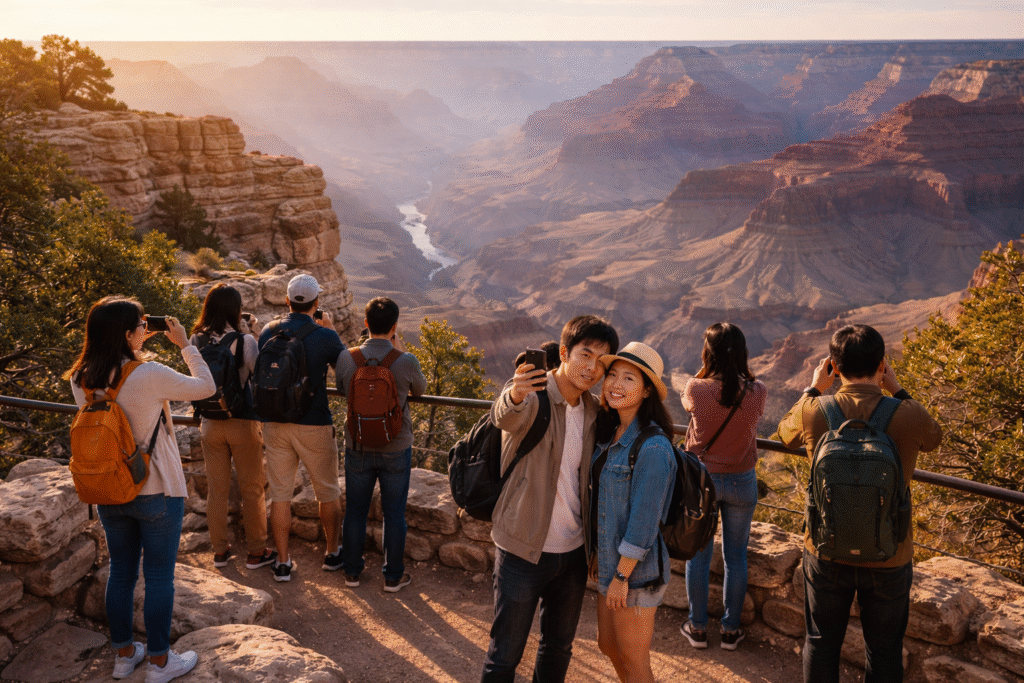
The surcharge applies to eleven of America’s most iconic parks. The list includes Yellowstone, Yosemite, Grand Canyon, Grand Teton, Glacier, Zion, Bryce Canyon, Rocky Mountain, Everglades, Acadia, and Sequoia and Kings Canyon. These parks draw millions of visitors due to their scenery, wildlife, and geological features. Officials designed the measure to focus on the parks with the most ecological stress and highest foreign visitation rates.
Asian Travelers Adjust Holiday Plans
International travelers from Asia form a major segment of U.S. inbound tourism. Japan, China, India, Thailand, Singapore, and South Korea send large numbers of tourists to outdoor destinations across the West. Many travelers in these markets combine multiple parks within one itinerary, which increases the total impact of the new surcharge. Travel agencies in Asia already monitor how the change influences tour bookings for 2026 and 2027. Families and student groups may reevaluate itineraries due to higher per-person costs.
Annual Pass Option for International Visitors
International travelers will also see a new price for the annual national park pass. U.S. residents can still purchase the standard annual pass for $80. International travelers will pay $250 for the same twelve-month access. This option offers strong value for visitors who plan to visit more than two major parks. Many Asian visitors travel long distances and often spend several weeks exploring North America, so the annual pass will likely become an attractive alternative for these longer itineraries.
Fee-Free Day Adjustments Influence Trip Timing
The United States traditionally offered fee-free days during certain holidays. Visitors enjoyed free access during dates honoring national civil rights leaders and major cultural moments. Starting in 2026, several holidays will no longer include fee waivers for international visitors. New fee-free days appear later in the year, but these dates apply only to U.S. residents. Asian travelers who want to reduce costs will adjust their travel calendars, especially group operators that design fixed departure packages.
Sustainability Drives the Policy Change
The national park system continues to promote sustainable tourism. Officials encourage visitors to support conservation and reduce waste during their trips. The government invests in trail restoration, habitat protection, and modernized infrastructure. These programs require steady funding to reduce environmental damage and protect biodiversity. The surcharge allows foreign visitors to contribute directly to these long-term goals. The policy also promotes responsible travel habits across all visitor groups.
Travel Strategies for Asian Tourists
Travelers from Asia can adapt to the policy in several ways. First, they can purchase the annual pass and unlock lower per-park costs. Second, they can focus on lesser-known parks that offer quieter experiences. Great Sand Dunes, Black Canyon of the Gunnison, and other smaller parks offer strong scenery without congestion. Third, travelers can visit during shoulder seasons to avoid peak crowds. Spring and late autumn offer cooler temperatures, clear skies, and improved wildlife viewing opportunities.
Tourism Industry Response in Asia
Travel companies across Asia study the policy to forecast demand changes. Some tour operators already plan new packages that spread visitors across several states. Others prepare sustainability-focused tours that highlight environmental stewardship. Industry analysts expect initial pushback from cost-sensitive travelers. However, they also expect strong continued demand due to the global appeal of America’s natural wonders. Asian travelers value iconic sites such as the Grand Canyon, so long-term interest will likely remain stable.
Looking Ahead to the 2026 Travel Season
The tourism landscape between Asia and the United States will evolve during 2026. Higher fees will reshape travel budgets and influence itinerary design. However, the changes also support conservation and help protect natural attractions for future generations. Asian travelers can still enjoy memorable park experiences by planning ahead and adjusting strategies. The upcoming travel season will reveal how effectively the new policy balances sustainability with international tourism demand.
For more travel news like this, keep reading Global Travel Wire