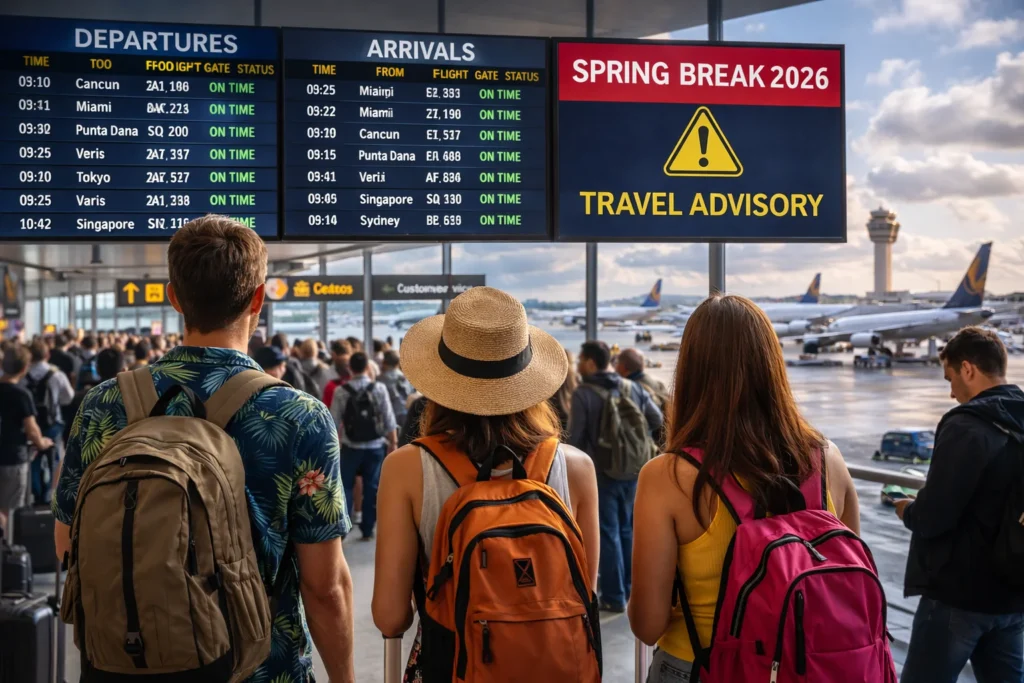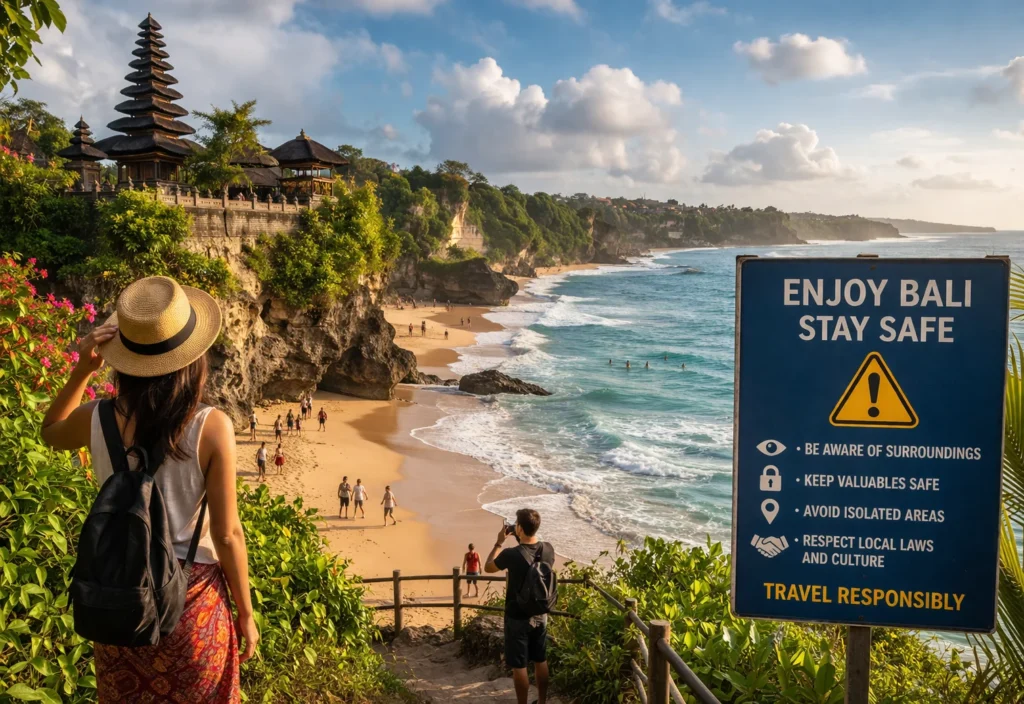
International travel advisories for Bali have been updated as governments urge tourists to remain vigilant while visiting one of Southeast Asia’s most popular destinations. Despite the warnings, officials in Indonesia continue to emphasize that Bali remains open, safe, and welcoming for global travelers.
Recent guidance issued by international authorities has highlighted concerns related to personal safety in key tourist areas such as Jimbaran, Seminyak, and Canggu. These destinations, known for their vibrant tourism scene, attract millions of visitors annually and play a central role in Bali’s tourism economy. The advisories encourage travelers to exercise caution, particularly in crowded areas and during late hours.
According to official tourism statistics from Indonesia’s regional authorities, Bali continues to see strong visitor numbers. Data from the Bali Regional Office of the Ministry of Law and Human Rights indicates a steady increase in arrivals, including more than 50,000 visitors from South Korea during the first two months of 2026. This growth reflects the island’s continued appeal as a global tourism hotspot.
Local authorities have responded to the travel advisories by reaffirming their commitment to visitor safety. Officials from the provincial government and law enforcement agencies have stated that enhanced security measures are already in place. Increased patrols, coordinated monitoring, and community engagement initiatives are being implemented to ensure a secure environment for tourists.
The Bali Police have issued official statements clarifying that recent advisories are precautionary in nature and not indicative of a broader travel restriction. Authorities have emphasized that there is no ban on travel to Bali and that the island remains accessible to international visitors. They have also encouraged tourists to respect local laws and customs while enjoying their stay.
In addition to safety concerns related to crime, natural factors have also influenced recent travel guidance. Indonesia’s position along the Pacific Ring of Fire means that seismic activity and volcanic eruptions are part of the region’s natural environment. Recent geological events, including earthquake activity in parts of eastern Indonesia and volcanic eruptions in Java, have prompted authorities to maintain heightened awareness.
While these natural events have not directly impacted Bali, they highlight the importance of preparedness for travelers. Tourism authorities recommend that visitors stay informed about local conditions and follow official advisories issued by government agencies. Emergency response systems and monitoring networks are in place to provide timely updates and ensure public safety.
From a tourism perspective, the updated Bali travel advisory reflects a balance between caution and confidence. The island’s tourism infrastructure remains robust, supported by hotels, transport services, and attractions that continue to operate normally. Visitors can still enjoy Bali’s renowned beaches, cultural landmarks, and hospitality experiences.
However, the evolving situation has influenced traveler behavior. Safety awareness has become a key consideration for tourists, with many opting for additional precautions such as travel insurance and guided tours. Tourism authorities have highlighted the importance of comprehensive travel insurance, which can provide coverage for medical emergencies, travel disruptions, and unforeseen events.
Scams and petty crimes remain among the most commonly reported concerns by travelers. Local authorities have acknowledged these issues and are actively working to address them through stricter regulations and enforcement measures. Initiatives targeting fraudulent money exchange practices and unauthorized operators are part of ongoing efforts to improve the overall visitor experience.
The tourism sector in Bali is adapting to these challenges by focusing on transparency, communication, and service quality. Hotels, tour operators, and local businesses are working closely with authorities to ensure that visitors receive accurate information and support during their stay. This collaborative approach is essential in maintaining confidence in the destination.
For travelers planning a trip to Bali, preparation remains key. Authorities recommend staying updated with official travel advisories, avoiding isolated areas at night, and using licensed services for transportation and activities. Simple precautions can significantly enhance safety and ensure a smooth travel experience.
Looking ahead, Bali’s tourism outlook remains positive. The island has demonstrated resilience in the face of global challenges, including natural events and changing travel conditions. Continued investment in safety measures, infrastructure, and visitor services is expected to support long-term growth.
In the broader context of global tourism, the Bali travel advisory underscores the importance of responsible travel. Travelers are encouraged to remain aware of their surroundings, respect local communities, and contribute to sustainable tourism practices. These principles not only enhance personal safety but also support the preservation of Bali’s unique cultural and natural heritage.
As one of the world’s most iconic destinations, Bali continues to attract visitors seeking diverse experiences, from relaxation to adventure. While recent advisories highlight the need for caution, they also reflect a proactive approach to ensuring that tourism remains safe and sustainable.
The current situation serves as a reminder that travel conditions can evolve, and staying informed is essential. By following official guidance and taking practical precautions, travelers can continue to enjoy Bali’s offerings with confidence.
In conclusion, the updated Bali travel advisory represents a coordinated effort by international and local authorities to enhance traveler awareness while maintaining the island’s reputation as a leading global destination. With continued vigilance and collaboration, Bali remains well positioned to welcome tourists from around the world.
For more travel news like this, keep reading Global Travel Wire