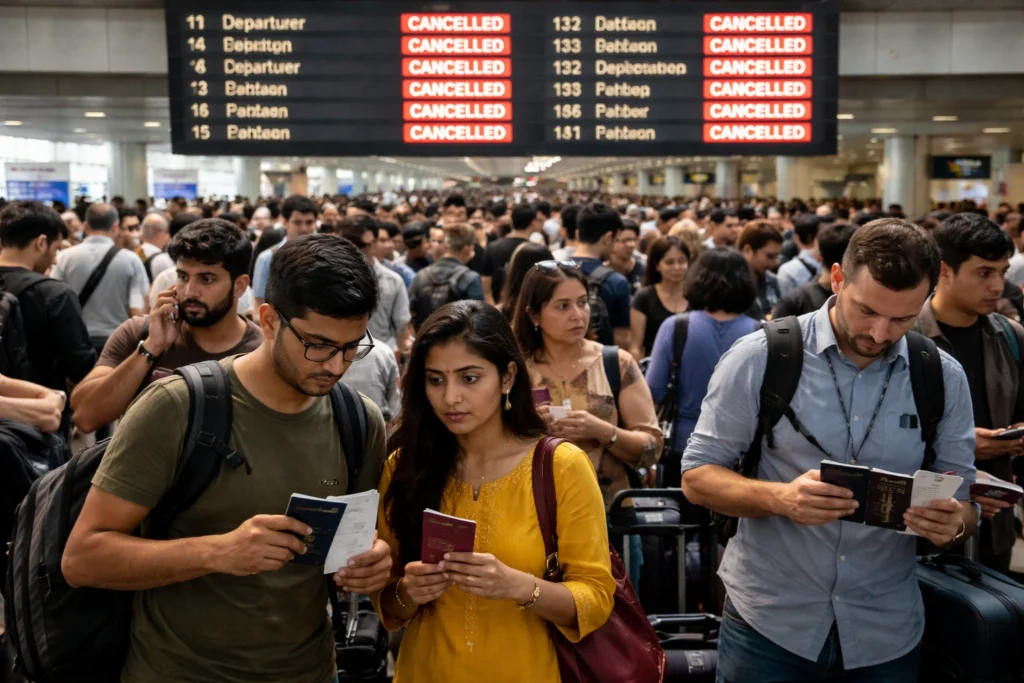
Canada’s decision to pause its Parent and Grandparent Program for 2026 has created major travel and immigration challenges for families across the Caribbean. Countries including Barbados, Jamaica, Bahamas, Saint Lucia, Dominica, Grenada, and Cuba now face stricter pathways for family reunification through the Super Visa system.
The Parent and Grandparent Program traditionally allowed Canadian citizens and permanent residents to sponsor elderly relatives for permanent residency. With the suspension now in place, families must rely on temporary long-term visitor options. The shift has changed travel planning for thousands of Caribbean families who maintain strong migration ties with Canada.
Parent and Grandparent Program Pause Reshapes Family Travel
The Parent and Grandparent Program played a significant role in family reunification policy. Many immigrants used the program to bring aging parents and grandparents to Canada permanently. Authorities paused new applications to reduce processing backlogs and improve efficiency.
This change affects families who had planned to use permanent residency sponsorship. Without this pathway, families must explore alternative solutions to maintain family connections. For many Caribbean households, extended family visits often combine tourism with caregiving responsibilities.
Canada continues to process existing applications, but new submissions remain closed for the year. This shift creates uncertainty for families who expected to apply during the current cycle.
Super Visa Emerges as Primary Alternative
The Super Visa now stands as the main option for parents and grandparents wishing to visit Canada for longer periods. Unlike standard visitor visas, the Super Visa allows stays of up to five years per visit and remains valid for up to ten years.
This extended duration provides flexibility for families seeking long-term visits without permanent immigration status. However, applicants must meet strict requirements, including medical examinations, proof of ties to their home country, and comprehensive health insurance.
Travel experts note that many families now treat the Super Visa as a bridge solution while waiting for future immigration program changes.
Financial and Insurance Requirements Increase Complexity
The Super Visa requires significant financial commitments from both applicants and sponsors. Canadian hosts must demonstrate income above established thresholds. These minimum income levels aim to ensure that visitors do not rely on public services during their stay.
Applicants must also purchase private medical insurance that covers at least CAD 100,000 in health care and emergency costs. Insurance must remain valid for the duration of the visit.
For many Caribbean families, these requirements present financial challenges. Insurance costs for elderly applicants often rise significantly due to age and health conditions. Sponsors must carefully prepare documentation to meet eligibility standards.
Caribbean Nations Face Unique Challenges
Barbados and Jamaica have strong diaspora connections with Canada, which increases the impact of immigration policy changes. Families often rely on seasonal travel and extended stays to maintain cultural and emotional ties.
In the Bahamas, financial documentation and income thresholds can present barriers for middle-income families. Saint Lucia and Dominica face similar challenges, especially where extended families rely on multigenerational support systems.
Grenadian and Cuban applicants also face hurdles related to insurance costs and application processing times. Visa approval often requires detailed financial evidence, which may complicate applications for some families.
Despite these challenges, Caribbean travelers continue to view Canada as a key destination for family visits, education, and cultural exchange.
Tourism and Travel Industry Implications
Changes to immigration policies often influence travel patterns between regions. Family visits represent a significant segment of travel between Canada and Caribbean nations. When policies change, airlines and tourism operators may experience shifts in booking patterns.
Extended family visits often include leisure travel, shopping, and tourism activities, which support local economies in Canada. The Super Visa helps maintain some level of travel flow, even though it replaces a permanent immigration pathway.
Airlines and travel agencies increasingly provide guidance on visa requirements to help passengers avoid delays or application issues.
Practical Steps for Applicants
Families considering the Super Visa should begin planning early. Gathering financial documents, purchasing insurance, and completing medical examinations require time and preparation.
Setting reminders for visa validity dates and maintaining accurate travel records can reduce complications during entry or exit. Applicants should also prepare clear evidence showing ties to their home country, such as property ownership or family connections.
Consulting official immigration resources helps travelers understand updated requirements and avoid misinformation.
Long-Term Outlook for Caribbean-Canada Travel
Canada’s immigration system continues to evolve as authorities balance demand with processing capacity. While the Parent and Grandparent Program pause creates immediate challenges, future policy adjustments may introduce new opportunities for family reunification.
In the meantime, the Super Visa offers a pathway that allows families to maintain connections despite stricter requirements. Caribbean travelers who plan carefully can continue visiting Canada for extended stays.
The current situation highlights the importance of understanding immigration regulations before planning travel. As global mobility increases, travelers must stay informed about policy updates that influence visa eligibility and long-term travel opportunities.
Canada remains a popular destination for Caribbean families, and travel between the regions continues to play a vital role in cultural and economic connections.
For more travel news like this, keep reading Global Travel Wire