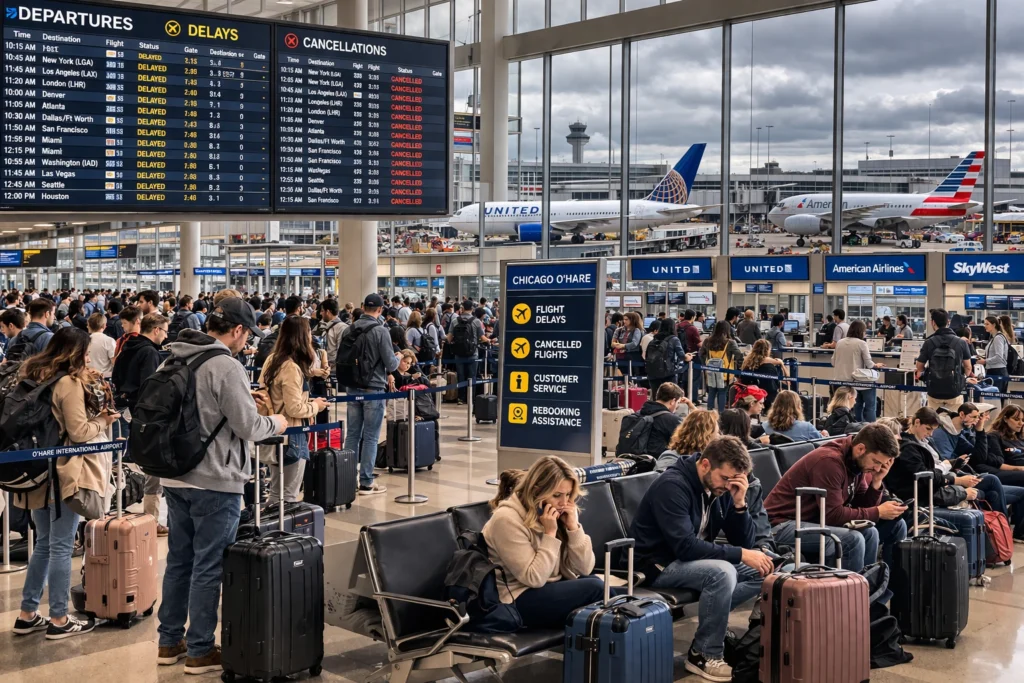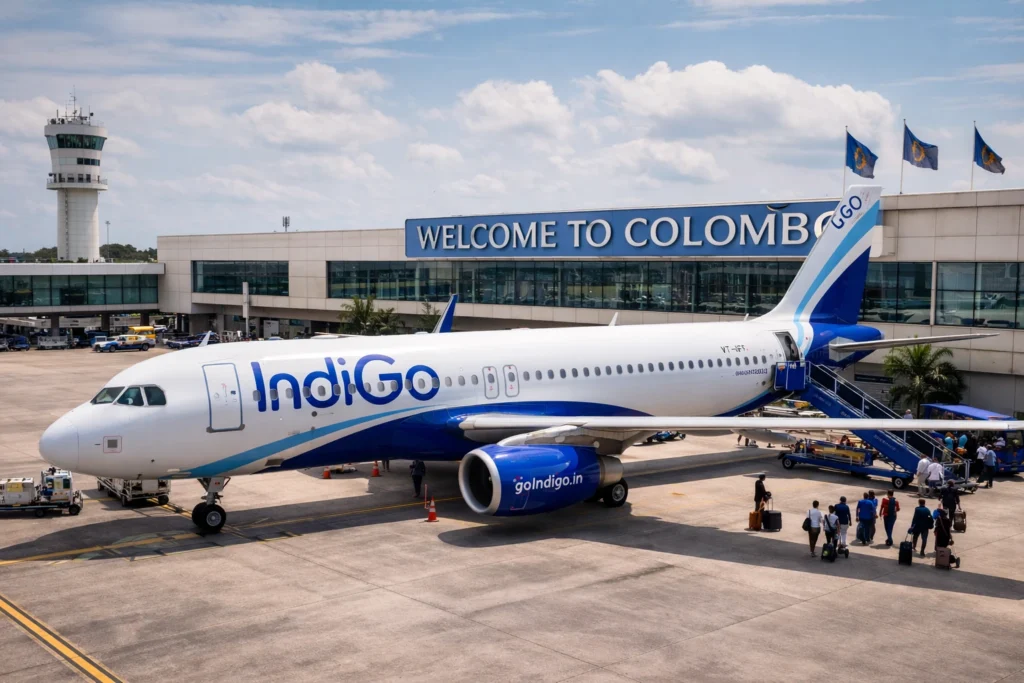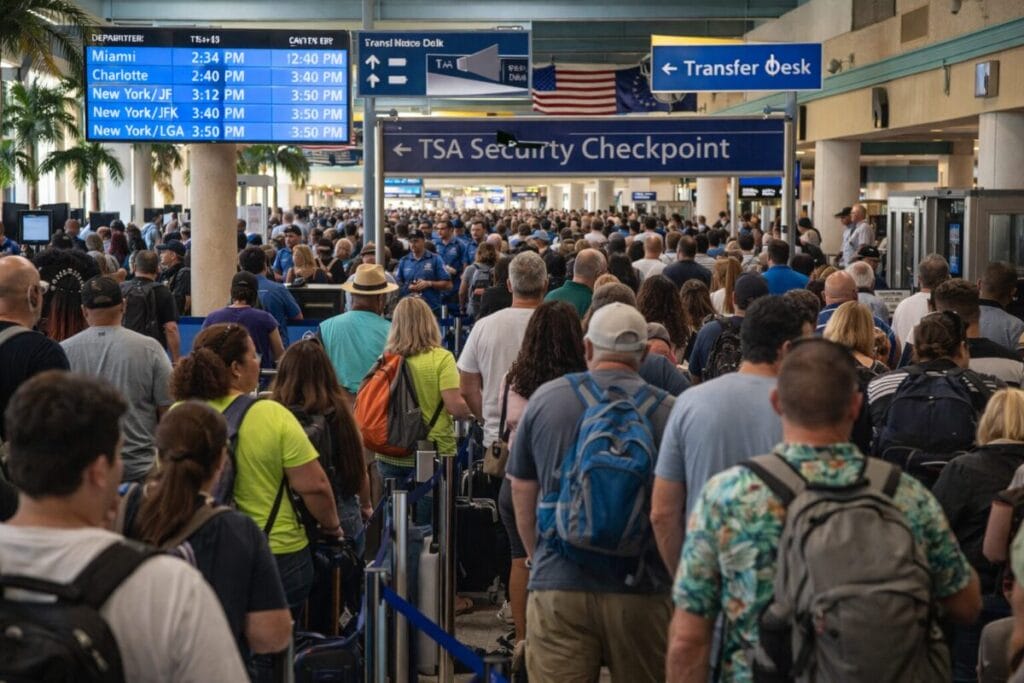
Travel between the United States, Mexico, and Caribbean destinations faces growing disruption due to security processing slowdowns at American airports. Popular tourism hotspots such as Aruba, Jamaica, Barbados, Dominican Republic, St. Lucia, and Grenada now experience flight delays and passenger frustration.
The ongoing operational challenges affect security screening procedures, which play a crucial role in maintaining efficient airport flow. Airlines, tourism businesses, and travelers feel the impact as longer queues and missed connections become more common.
Tourism officials across the region monitor the situation closely because many island economies rely heavily on US-based travelers.
US Security Slowdowns Create Ripple Effect Across International Travel
Security operations at American airports face staffing pressures that slow passenger screening times. Even minor delays at security checkpoints can disrupt tightly scheduled international flights.
Airlines often delay boarding to allow passengers additional time to clear security. These adjustments help reduce missed flights but create schedule changes across airline networks.
International routes linking the US with Caribbean and Mexican destinations feel the impact immediately because they depend on efficient turnaround times at busy airport hubs.
Unlike air traffic control operations, which remain stable, security slowdowns directly affect passenger movement through terminals. This difference means flights still operate, but travelers experience longer waits and reduced reliability.
Mexico Experiences Direct Impact Due to Strong US Travel Connections
Mexico stands among the countries most affected by US airport disruptions. Strong tourism and business links between both countries create high passenger volumes on cross-border flights.
Airports serving routes between US cities and destinations such as Cancun, Mexico City, and Los Cabos report increasing delays caused by slower passenger processing. Travelers crossing land borders also encounter longer wait times due to staffing challenges.
Tourism plays a vital role in Mexico’s economy. Delays and uncertainty may influence traveler decisions, especially during peak vacation seasons.
Airlines operating US-Mexico routes encourage passengers to arrive earlier and prepare for extended security procedures.
Caribbean Islands Face Growing Airport Backlogs
The Caribbean relies heavily on US tourism, which makes the region vulnerable to disruptions at American airports. Aruba, Jamaica, Barbados, and the Dominican Republic report rising delays connected to US security processing issues.
Many Caribbean flights operate through major US hubs such as Miami, Atlanta, and New York. When security lines lengthen at these airports, connecting passengers risk missing flights.
Aruba’s tourism sector depends heavily on US arrivals. Extended screening times at departure airports may reduce travel confidence among visitors.
Jamaica and Barbados also experience operational pressure because travelers frequently connect through US cities before arriving on the islands.
Puerto Rico and Smaller Islands Experience Unique Challenges
Puerto Rico faces additional strain because of its status as a US territory. Security procedures follow US standards, which means local airports experience similar delays during peak travel periods.
Smaller destinations such as Grenada and St. Lucia depend on connecting flights through US hubs. Longer processing times increase the risk of cascading delays throughout their flight schedules.
Tourism operators on these islands adjust schedules and provide updates to travelers. Maintaining clear communication helps reduce confusion during travel disruptions.
Tourism Industry Responds to Passenger Frustration
Tourism boards and airlines work together to manage traveler expectations. Many airlines recommend earlier airport arrival times and flexible booking options to reduce stress.
Hotels and tour operators monitor flight schedules closely because delayed arrivals affect guest experiences. Flexible check-in policies and updated travel information help maintain customer satisfaction.
Travel industry experts emphasize that communication plays a crucial role during disruptions. Clear updates help travelers adjust plans and avoid unnecessary frustration.
Airlines Adjust Operations to Maintain Schedule Stability
Airlines introduce operational changes to manage longer processing times at airports. Some carriers adjust departure schedules or extend boarding windows to accommodate passengers.
Digital notifications and airline apps provide real-time updates that allow travelers to track flight changes easily. Technology plays a growing role in managing disruptions within global travel networks.
Despite challenges, airlines continue operating flights to maintain tourism flow across Caribbean and Mexican destinations.
Advice for Travelers Navigating Current Disruptions
Travelers planning trips to Mexico or the Caribbean should arrive at airports earlier than usual. Allowing extra time for security checks helps prevent missed flights.
Booking direct flights reduces reliance on tight connections through busy US hubs. Travelers should also monitor airline communications and sign up for alerts to receive updates.
Carrying essential items in hand luggage ensures comfort during longer airport waits. Flexibility remains the most effective strategy for managing unpredictable travel conditions.
Outlook for Caribbean Tourism and Global Travel Networks
Although current disruptions create challenges, tourism demand across Mexico and the Caribbean remains strong. Airlines and tourism authorities continue adapting to evolving operational conditions.
Global travel systems rely on coordination between multiple countries and agencies. Changes within one region often create ripple effects across international networks.
Mexico and Caribbean destinations expect tourism to remain resilient despite temporary disruptions. With improved coordination and traveler preparation, the industry aims to maintain smooth operations while addressing current challenges.
The ongoing situation highlights the importance of flexible planning and efficient communication in modern travel. Travelers who stay informed and prepared can navigate disruptions while continuing to explore popular destinations across the region.
For more travel news like this, keep reading Global Travel Wire