





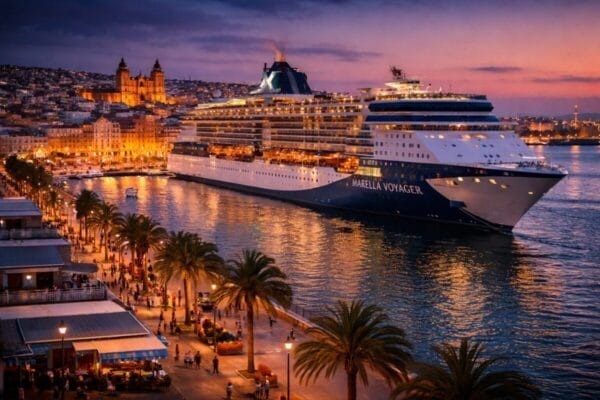


A technical malfunction involving the cruise ship Celebrity Infinity near Piraeus, Greece, has drawn attention to maritime safety procedures and emergency coordination. The incident occurred on February 14, 2026, as the vessel approached one of Europe’s busiest cruise ports. Greek authorities responded quickly and guided the ship safely to dock without injuries or environmental impact.
The event highlights the importance of safety planning in modern cruise travel. While technical issues remain rare, industry professionals emphasize preparedness and coordination between cruise operators and local maritime agencies.
Celebrity Infinity had completed a Mediterranean itinerary that began in Barcelona and included multiple destinations before reaching Greece. The ship planned an overnight stop in Piraeus before ending its voyage.
Electrical Malfunction Triggers Swift Response From Greek Authorities
As the vessel approached Piraeus, an issue involving electrical distribution panels affected maneuverability. The crew immediately notified Greek maritime authorities to ensure safety. The Hellenic Coast Guard and rescue coordination teams activated emergency procedures without delay.
Port officials assessed risks and coordinated support operations to prevent hazards. The ship remained close to port, which allowed authorities to respond quickly. Maritime safety protocols require rapid communication during such incidents to reduce risks to passengers and surrounding vessels.
Crew members maintained onboard safety procedures while authorities organized external assistance. Passengers remained secure throughout the process, and no injuries occurred during the incident.
Tugboat Assistance Ensures Safe Docking in Busy Port Waters
Four specialized tugboats helped guide the cruise ship through narrow harbor channels. Tugboats play a critical role in assisting large vessels that face maneuvering challenges, especially in crowded ports like Piraeus.
The coordinated operation demonstrated strong teamwork between port authorities, maritime pilots, and emergency responders. Tugboats stabilized the vessel and guided it safely toward the docking area.
Officials confirmed that the ship posed no threat to nearby ships or coastal infrastructure. Environmental monitoring also showed no marine pollution, which reassured local authorities and port operators.
Piraeus ranks among Europe’s most active cruise hubs, handling significant passenger traffic each year. Efficient emergency management helps maintain safety standards in such high-volume maritime environments.
Operational Impact and Temporary Suspension of Departures
Following the incident, port authorities restricted the ship from departing until engineers completed thorough inspections. Classification societies require strict safety verification before allowing cruise ships to resume operations.
The cruise line canceled the next scheduled sailing to ensure complete repairs and testing. This decision reflects industry practice, where safety takes priority over operational schedules.
Passengers affected by the delay received assistance from the cruise company. Travel providers often arrange alternative accommodations, transportation options, or compensation depending on circumstances.
Such disruptions can inconvenience travelers, but safety regulations aim to prevent greater risks. Maritime authorities emphasize proactive inspections as essential to maintaining global cruise safety standards.
Celebrity Cruises Response Demonstrates Crisis Management Practices
Celebrity Cruises responded quickly by communicating updates to guests and coordinating with Greek officials. Crew members managed onboard operations efficiently and followed established safety procedures.
Modern cruise lines maintain detailed emergency protocols to handle technical failures or unexpected conditions. These plans include collaboration with port authorities, engineering teams, and passenger support staff.
Transparent communication plays an important role during incidents. Travelers benefit when cruise companies provide timely updates and clear guidance about next steps.
The company’s actions during the incident highlight the importance of preparation and training in maritime operations. Cruise operators invest heavily in safety technology, crew education, and maintenance programs to reduce risks.
Travel Tips for Cruise Passengers Visiting Piraeus
Travelers planning Mediterranean cruises should remain aware that maritime schedules can change due to technical or weather-related factors. Flexible planning helps passengers manage unexpected delays.
Arriving early at embarkation points reduces stress if operational changes occur. Ports such as Piraeus often experience heavy traffic, which requires careful coordination.
Staying connected through official cruise line communication channels ensures travelers receive updates quickly. Mobile apps and onboard announcements provide essential information during schedule adjustments.
Passengers may also use unexpected delays as opportunities to explore local destinations. Piraeus offers waterfront restaurants, museums, and cultural attractions that showcase Greece’s maritime heritage.
Travel insurance can provide additional reassurance for travelers concerned about disruptions. Coverage may include compensation for delays or itinerary changes depending on policy terms.
Piraeus Strengthens Position as Key Mediterranean Cruise Gateway
Despite the incident, Piraeus continues to serve as a major entry point for Mediterranean cruises. The port provides access to Athens’ historic sites, including the Acropolis and ancient archaeological areas.
Tourism authorities promote the region as a cultural gateway where cruise passengers can experience Greek history and cuisine. Efficient port management and safety coordination contribute to its strong reputation within the cruise industry.
Mediterranean itineraries remain among the most popular choices for global cruise travelers. Destinations across Greece, Italy, Spain, and Turkey attract visitors seeking a mix of history, scenery, and coastal experiences.
Cruise Safety and Future Outlook for Mediterranean Travel
The Celebrity Infinity incident highlights the effectiveness of maritime safety systems rather than weaknesses. Quick action from authorities and crew prevented escalation and ensured passenger safety.
Cruise lines continue to invest in advanced monitoring systems and preventive maintenance. These technologies help identify technical issues early and reduce operational risks.
Travel experts expect strong demand for Mediterranean cruises to continue through 2026 and beyond. Travelers value structured itineraries that combine relaxation with cultural exploration.
While technical issues can occur in any transport sector, coordinated emergency responses demonstrate the resilience of modern cruise operations. For passengers, the key takeaway involves staying informed, flexible, and confident in established safety procedures that protect travelers at sea.
For more travel news like this, keep reading Global Travel Wire