Solo female travel continues to grow worldwide as more women choose independent adventures, cultural exploration, wellness escapes, and long-distance journeys. In response to this trend, updated official travel guidance for 2026 places stronger focus on practical preparation, destination awareness, and emergency readiness tailored to women travelling alone.
For tourism, this is an important shift. Confidence and safety are key factors influencing destination choice, trip length, and overall travel satisfaction. With the right planning, solo female travellers can enjoy meaningful experiences while reducing avoidable risks.
From city breaks and beach holidays to backpacking routes and luxury escapes, independent travel can be rewarding, empowering, and safe when backed by smart decisions and trusted information.
Why Solo Female Travel Is Growing
Women are increasingly choosing to travel alone for flexibility, self-discovery, career breaks, wellness retreats, and personal freedom. Many destinations now actively welcome solo travellers through better infrastructure, women-focused tours, digital tools, and improved accommodation options.
Benefits of solo female travel include:
- Full control over itinerary and pace
- Greater confidence and independence
- Opportunities for personal growth
- Easier cultural immersion
- Flexible budgeting and planning
- Freedom to pursue personal interests
As this travel segment expands, safety guidance has become more relevant than ever.
Research Your Destination Before Booking
Preparation starts long before departure. Understanding your destination’s local customs, transport systems, neighbourhoods, weather, and social expectations can significantly improve confidence on arrival.
Before booking, travellers should check:
- Official travel advisories
- Entry requirements and visa rules
- Local transport reliability
- Safe neighbourhoods for accommodation
- Cultural norms and dress expectations
- Weather and seasonal risks
- Emergency numbers and healthcare access
The more informed you are before departure, the easier it becomes to navigate unexpected situations.
Choose Accommodation Carefully
Where you stay can shape your entire travel experience. Solo travellers often benefit from selecting well-reviewed accommodation in central or well-connected areas.
Look for properties that offer:
- Strong guest reviews from solo women travellers
- 24-hour reception or security
- Good lighting and secure entry systems
- Easy access to transport
- Safe surrounding streets
- Reliable communication with staff
For late-night arrivals, booking the first nights in advance can reduce stress and remove the need to search for lodging after dark.
Arrive Smart and Plan Transfers
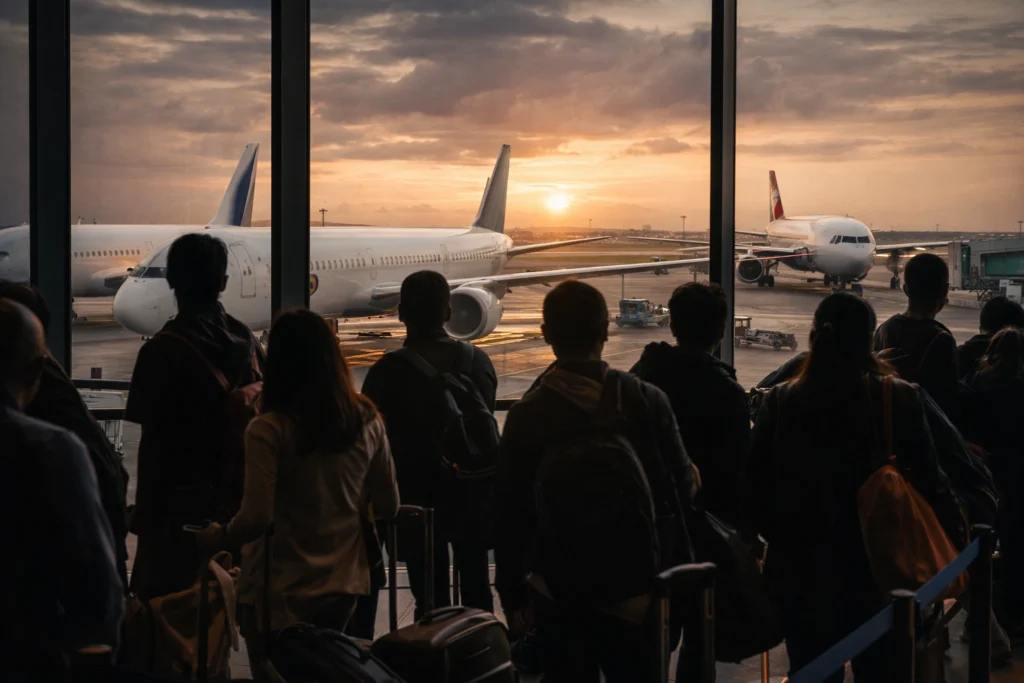
One of the most vulnerable moments in any trip is arrival in a new destination. Airports, stations, and unfamiliar streets can feel overwhelming after long travel days.
To make arrivals easier:
- Pre-book airport transfers when possible
- Use licensed taxis or trusted ride apps
- Save hotel address offline
- Keep phone charged before landing
- Avoid sharing too much personal information with strangers
- Arrive in daylight when practical
Simple preparation can make the first hours of a trip smoother and safer.
Stay Aware in Public Spaces
Situational awareness is one of the strongest travel safety tools. Being alert does not mean being fearful. It means staying conscious of surroundings, exits, transport options, and personal belongings.
Useful habits include:
- Keep valuables discreet
- Avoid displaying large amounts of cash
- Stay aware when using headphones
- Walk confidently and purposefully
- Trust your instincts if something feels wrong
- Move to busier public areas if uncomfortable
Confident body language alone can often discourage unwanted attention.
Respect Local Culture and Customs
Cultural understanding can improve both safety and enjoyment. Behaviour considered normal at home may be interpreted differently elsewhere.
Observing local customs around dress, public behaviour, photography, and interactions can help avoid misunderstandings.
In some destinations, modest clothing may be more appropriate. In others, direct conversation with strangers may be common and harmless. Watching how local women move through public spaces can offer helpful guidance.
Respecting culture does not mean giving up independence. It means travelling intelligently within the local context.
Stay Connected With Trusted Contacts
Regular communication with someone at home adds an extra layer of security. Share key travel details with a trusted family member or friend, especially for longer trips.
Helpful steps include:
- Share flight details and accommodation addresses
- Send check-in messages after arrival
- Update itinerary changes
- Keep emergency contacts accessible
- Use location sharing only with trusted people
This creates a simple support system without limiting freedom.
Prepare for Emergencies
Even well-planned trips can face delays, illness, lost items, or sudden changes. A basic emergency plan helps reduce panic and speeds up decision-making.
Before travelling, save:
- Embassy or consulate contacts
- Local emergency numbers
- Insurance provider details
- Backup copies of passport and documents
- Emergency cash or secondary payment card
Also consider carrying a small medical kit and any personal prescriptions in original packaging.
Use Travel Insurance Wisely
Travel insurance remains one of the most important tools for independent travel. A strong policy can help with medical emergencies, baggage issues, cancellations, and trip interruptions.
Before purchase, check coverage for:
- Destination country
- Adventure activities
- Electronics
- Medical treatment
- Delayed baggage
- Emergency evacuation
Understanding your policy before departure is just as important as buying it.
Technology Can Improve Safety
Digital tools make solo travel easier than ever. Maps, translation apps, booking platforms, transport trackers, and messaging services can reduce uncertainty.
Useful travel tech includes:
- Offline maps
- Secure payment apps
- Language translation apps
- Ride-booking services
- Emergency alert apps
- Cloud document storage
Keep devices charged and carry a power bank during long sightseeing days.
Confidence Is Your Best Companion
Solo female travel is not about eliminating all risk. It is about managing risk wisely while embracing opportunity. Millions of women travel safely each year by combining awareness, preparation, and confidence.
Independent journeys often become life-changing experiences filled with unforgettable friendships, new skills, and deeper cultural understanding.
With thoughtful planning and practical safety habits, 2026 can be an excellent year for women to explore the world on their own terms. Solo female travel continues to redefine modern tourism, proving that confidence and curiosity can open extraordinary doors.
For more travel news like this, keep reading Global Travel Wire