Europe is changing. While the same overcrowded capitals suffocate under mass tourism, a quieter, sharper, more thrilling Europe is rising beneath the radar. This is not soft-focus travel fluff. This is an analytical, boots-on-the-ground report into where Europe’s smart travellers will go in 2026—before Instagram ruins it. These destinations aren’t “nice alternatives”; they’re the next frontline. Ignore them now, and you’ll be fighting crowds later. For UK travellers priced out of Western Europe and exhausted by overcrowded hotspots, these destinations represent the smartest continental moves for 2026. Pay attention, and you’ll travel like you’re five years ahead of the pack.
Why 2026 Will Redefine European Travel Power Dynamics
2026 will be the year when infrastructure spending, airline route expansion, and digital-nomad migration finally collide. Secondary cities are no longer backup plans; they are strategic winners. Governments are investing aggressively outside capitals, overtourism backlash is pushing travellers elsewhere, and savvy visitors want authenticity over attractions. This list isn’t random. It’s built on trends: affordability curves, accessibility upgrades, climate resilience, and cultural depth. These places are about to go from ignored to irresistible—and once the secret’s out, it’s gone forever. As airfares stabilise and UK travellers rethink value-for-money European breaks, attention is shifting east and south-east. These destinations align perfectly with UK holiday habits: short flight times, cultural depth, and costs that haven’t yet caught up with demand.
Albania’s Riviera: Europe’s Last Wild Coastline
While southern Europe groans under tourists, Albania’s Riviera is still criminally overlooked. White-sand beaches, Ionian-blue water, and prices that feel illegal in 2026 Europe. Roads are improving, boutique hotels are opening quietly, and the coast still belongs to locals after sunset. This is raw Mediterranean power—untamed, unapologetic, and thrillingly unpolished. Albania isn’t “up-and-coming”; it’s already arrived, and most travellers are asleep at the wheel.
Timișoara, Romania: Culture Without the Crowd Crush
Romania has depth, but Timișoara has momentum. A former European Capital of Culture, this city blends Austro-Hungarian elegance with Balkan grit and startup energy. Cafés buzz, art spaces multiply, and costs remain laughably low. It’s walkable, green, and fiercely intellectual. While tourists queue in Prague, Timișoara builds a cultural empire quietly—and those who know are already booking long stays.
Matera, Italy: The Ancient City That Refuses to Be Mainstream
Matera looks like a movie set because it basically is—but without Rome’s chaos. Carved into limestone cliffs, its cave dwellings are among Europe’s oldest continuously inhabited spaces. The city’s rebirth is controlled, careful, and culturally serious. Matera proves Italy still has secrets, and it rewards travellers who want history without hysteria.
Kotor, Montenegro: Fjords, Fortresses and Future Fame
Kotor is the Adriatic’s most dangerous secret—dangerous because it won’t stay secret. A medieval old town, mountain-ringed bay, and cruise-ship controversy are forcing smarter tourism models. Visit now and you’ll see why Montenegro is Europe’s next prestige destination. Miss it, and you’ll be another late arrival.
Kaunas, Lithuania: The Baltic Underdog Rising Fast
Vilnius gets the headlines, but Kaunas has the fire. Art Deco streets, youthful rebellion, and a tech-driven cultural revival make it Lithuania’s most exciting city. Prices remain grounded, nightlife is fearless, and the creative scene is exploding. Kaunas isn’t trying to impress—and that’s exactly why it does.
Plovdiv, Bulgaria: Europe’s Oldest City, Still Ignored
Plovdiv predates Rome and yet barely registers on tourist radars. Roman theatres, Ottoman quarters, and bohemian districts coexist without spectacle. Bulgaria’s affordability and improved rail access make Plovdiv a sleeper hit for 2026. This is heritage without hype—and that’s its weapon.
Gjirokastër, Albania: Stone City With Zero Pretence
UNESCO-listed and utterly uncompromising, Gjirokastër feels frozen in time. Ottoman houses stack dramatically on hillsides, and mass tourism hasn’t learned its name yet. It’s atmospheric, intense, and unforgettable. Albania appears twice on this list for a reason—it’s Europe’s final frontier.
Mostar, Bosnia & Herzegovina: Beauty With a Backbone
Mostar’s iconic bridge is more than a postcard—it’s a political and cultural scar. The city is stunning, yes, but it’s also raw, honest, and deeply moving. As Bosnia modernises its tourism infrastructure, Mostar is emerging as a must-visit for travellers who want meaning with their beauty.
Cuenca, Spain: The Anti-Barcelona
Cuenca hangs between cliffs and defies Spain’s beach-only stereotype. Medieval, dramatic, and nearly empty, it offers Spain without the stampede. High-speed rail links make it accessible, but mass tourism hasn’t caught on. In 2026, Cuenca will be Spain’s quiet triumph.
Târgu Mureș, Romania: Transylvania Without the Dracula Circus
Forget gimmicks. Târgu Mureș delivers architecture, thermal spas, and multicultural depth without kitsch. It’s slow, cerebral, and refreshingly real. As travellers grow tired of fake experiences, this city’s authenticity will become its strongest export.
And one extra from my end:
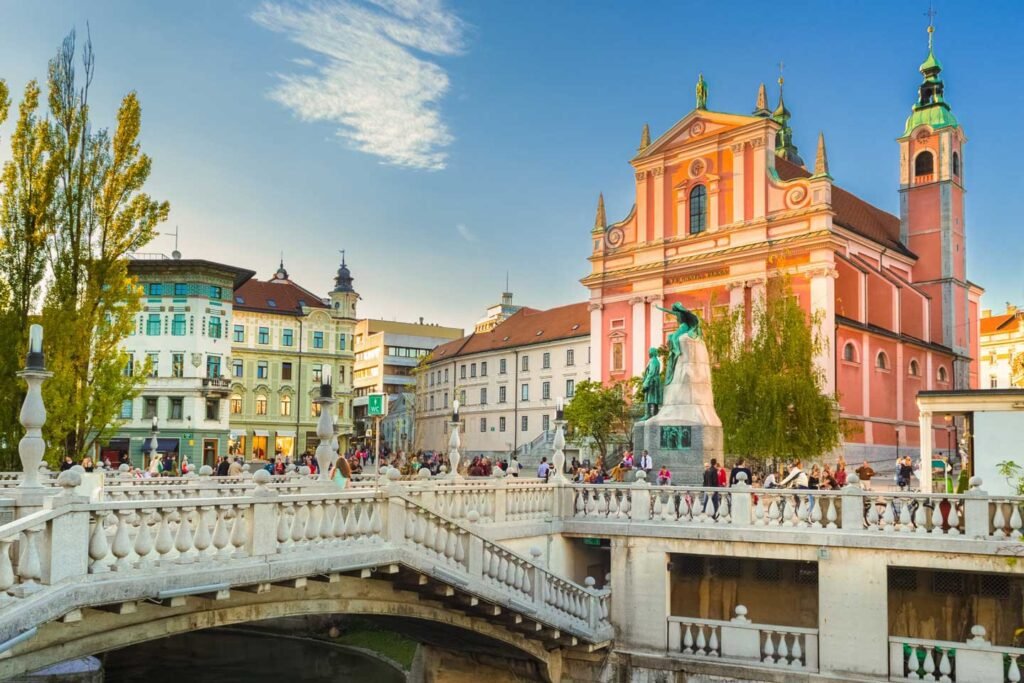
Ljubljana, Slovenia — Europe’s Quiet Capital Stealing Hearts
Ljubljana might be Europe’s best-kept secret for 2026 — a capital that’s charming without the crowds and impossibly photogenic in every season. Wander its pastel-coloured streets bordering the serene Ljubljanica River, where cafés spill out onto cobblestones and the iconic Triple Bridge lights up under a starlit sky. Unlike its rowdier European counterparts, this underrated city blends old-world Baroque architecture with a youthful, creative buzz that makes even short stays feel like an epic voyage. For UK travellers seeking big experiences without the usual tourist bottlenecks, Ljubljana delivers culture, cuisine and canals in crystal-clear calm — a true standout on next year’s travel radar.