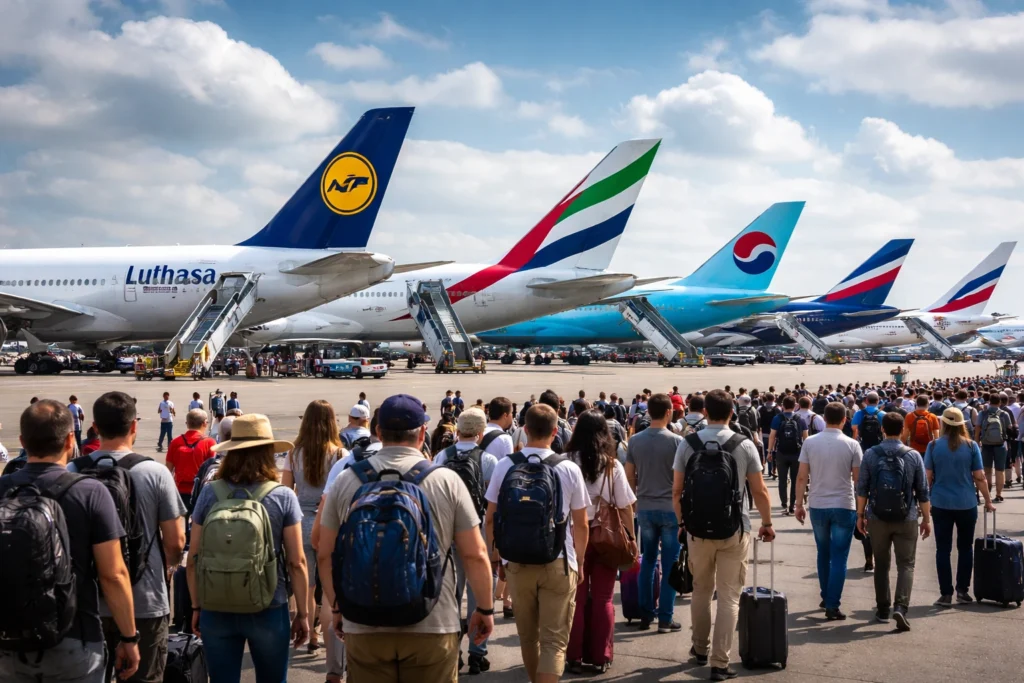
Countries across the world launch urgent evacuation missions in 2026 to protect stranded travelers. Governments respond quickly as conflict disrupts travel across the Middle East.
Russia joins Germany, Canada, the UK, India, South Korea, and Italy in coordinated operations. These nations focus on bringing citizens home safely from affected regions.
Airlines and governments work together to manage large-scale evacuations. Their combined efforts ensure safe passage for thousands of travelers.
Conflict Disrupts Travel Across Key Middle East Routes
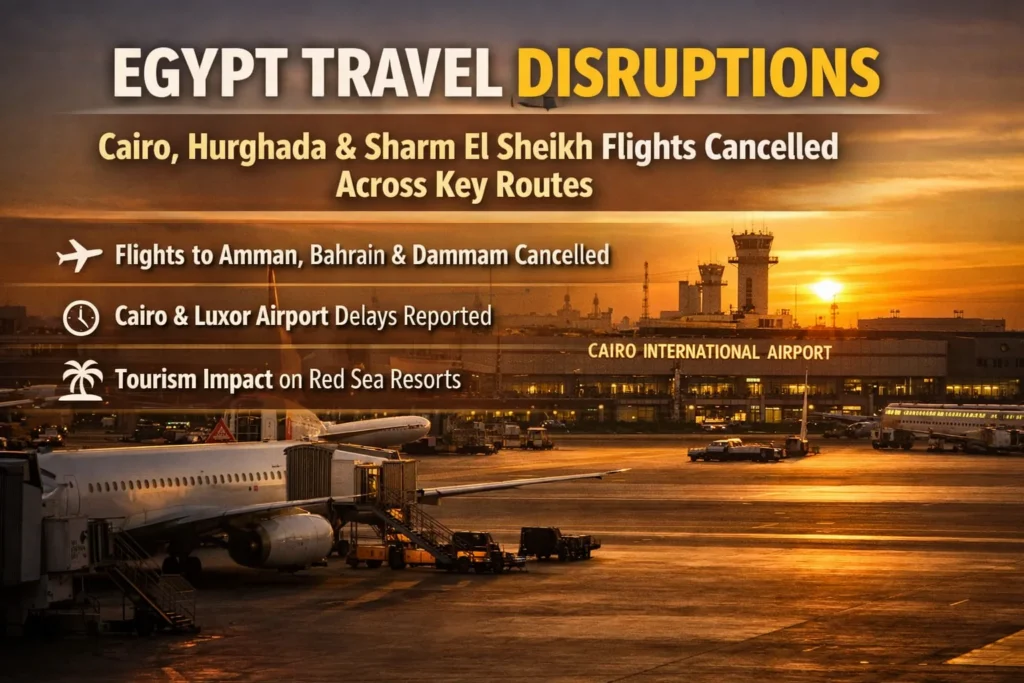
Escalating tensions across the Middle East disrupt major air routes in early 2026. Airlines cancel flights and adjust schedules to avoid risk zones.
Travelers in Qatar, UAE, Saudi Arabia, and Bahrain face sudden uncertainty. Many cannot return home due to restricted airspace and safety concerns.
These disruptions create urgent challenges for governments worldwide. Authorities must act fast to protect citizens and manage travel logistics.
Russia Strengthens Its Role in Evacuation Operations
Russia takes a leading role in expanding evacuation efforts during the crisis. The government organizes flights to bring citizens back safely.
Officials coordinate closely with regional authorities to secure safe routes. Airlines assist in transporting passengers from high-risk areas.
Russia also supports evacuation through neighboring countries. This approach increases flexibility and improves safety for travelers.
The country’s efforts highlight the importance of strategic planning during emergencies. It ensures citizens receive timely assistance.
Germany Leads Early and Organized Evacuation Efforts
Germany acts quickly as the crisis unfolds across the region. The government launches evacuation flights in multiple phases.
Authorities collaborate with major airlines to transport citizens safely. These efforts focus on key locations with high traveler numbers.
Germany also provides support services for stranded individuals. Assistance includes food, medical aid, and temporary accommodation.
This structured approach ensures efficient and safe evacuation. It sets a strong example for other countries.
Canada Mobilizes Resources for Rapid Repatriation
Canada responds swiftly to protect its citizens abroad. The government arranges charter flights and coordinates with international carriers.
Officials maintain communication with Middle Eastern authorities to secure flight permissions. This coordination ensures smooth operations.
Canadian travelers receive support on the ground while awaiting evacuation. Authorities assist with accommodation and essential services.
These efforts reflect Canada’s commitment to citizen safety during global crises.
United Kingdom Expands Airlift and Support Systems
The United Kingdom launches extensive evacuation operations across affected regions. Authorities prioritize the safe return of vulnerable groups.
The government works closely with airlines to increase flight availability. This approach helps manage the high number of stranded travelers.
Humanitarian support also plays a key role in the UK’s strategy. Officials ensure that citizens receive necessary assistance before departure.
These coordinated efforts help maintain order during a complex situation. They also ensure that travelers return home safely.
India Focuses on Large Expat Community
India prioritizes evacuation for its large workforce in the Middle East. Thousands of citizens depend on quick action for safe return.
The government coordinates with both military and commercial airlines. This combination increases capacity and speeds up operations.
Authorities also partner with regional carriers to secure additional seats. This strategy helps manage the large number of travelers.
India’s structured response ensures that citizens receive timely support. It highlights the importance of planning during emergencies.
South Korea and Italy Strengthen Regional Evacuation Plans
South Korea organizes emergency flights to bring back citizens from affected areas. Authorities design routes that avoid high-risk zones.
The government also provides support services for travelers awaiting departure. This approach reduces stress during uncertain conditions.
Italy takes similar steps to evacuate its nationals quickly. Authorities coordinate with airlines to arrange safe and efficient flights.
Both countries focus on protecting citizens while maintaining smooth operations. Their efforts contribute to the broader global response.
Airlines Play a Critical Role in Rescue Operations
Airlines serve as a key part of the evacuation process. Carriers provide aircraft, routes, and logistical support for large-scale operations.
Major airlines adjust schedules to accommodate emergency flights. They also work closely with governments to ensure passenger safety.
Flexible planning allows airlines to operate under challenging conditions. Their role proves essential in moving travelers out of danger.
These efforts highlight the aviation sector’s importance during crises. Airlines act as a vital link between countries and their citizens.
Global Cooperation Drives Successful Evacuations
International cooperation plays a crucial role in managing the crisis. Countries share resources, information, and strategies.
Joint efforts help avoid delays and improve coordination. This collaboration ensures that travelers receive consistent support.
Organizations and governments work together to manage complex logistics. Their cooperation strengthens the overall response.
This unified approach highlights the value of global partnerships. It ensures that evacuation efforts remain effective and organized.
Travel Industry Adapts to Emergency Situations
The ongoing crisis forces the travel industry to adapt quickly. Airlines and governments develop new strategies to handle disruptions.
Flexibility becomes essential for managing changing conditions. Authorities must respond to evolving risks and travel restrictions.
Travelers also adjust their expectations during emergencies. They rely on official guidance and support systems for assistance.
These changes shape the future of global travel. They emphasize the importance of preparedness and resilience.
A Unified Effort to Protect Global Travelers
The global evacuation effort in 2026 reflects strong international cooperation. Countries act quickly to protect citizens and manage risks.
Governments and airlines work together to ensure safe and efficient operations. Their efforts help thousands of travelers return home.
This coordinated response highlights the importance of unity during crises. It demonstrates how collaboration can overcome major challenges.
As the situation continues, countries remain focused on safety and support. Their actions ensure that global travel can recover and adapt.
For more travel news like this, keep reading Global Travel Wire