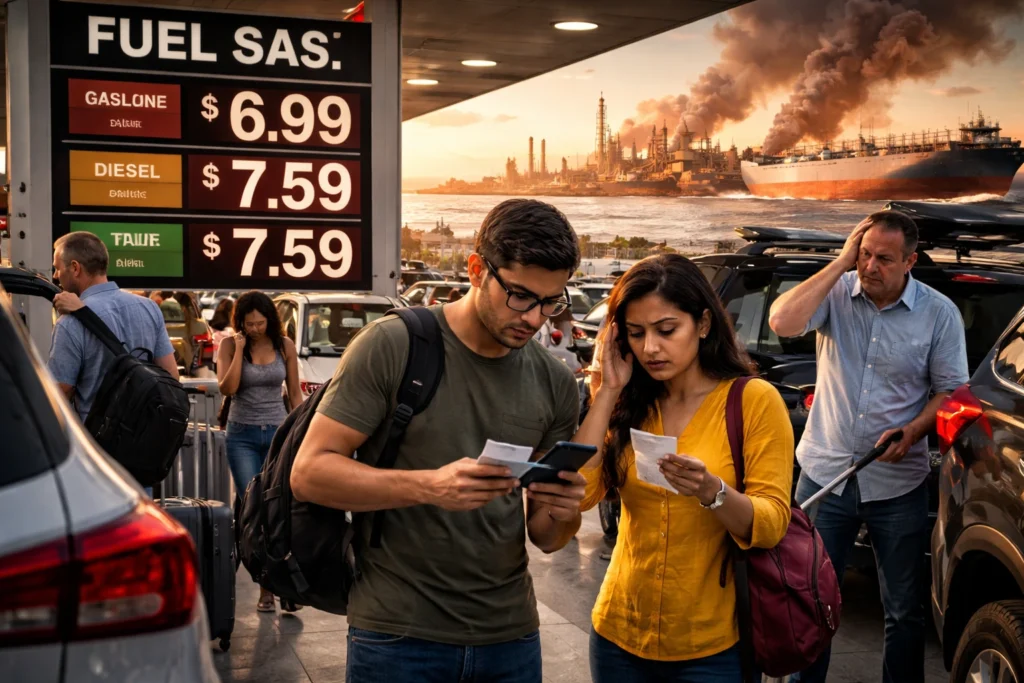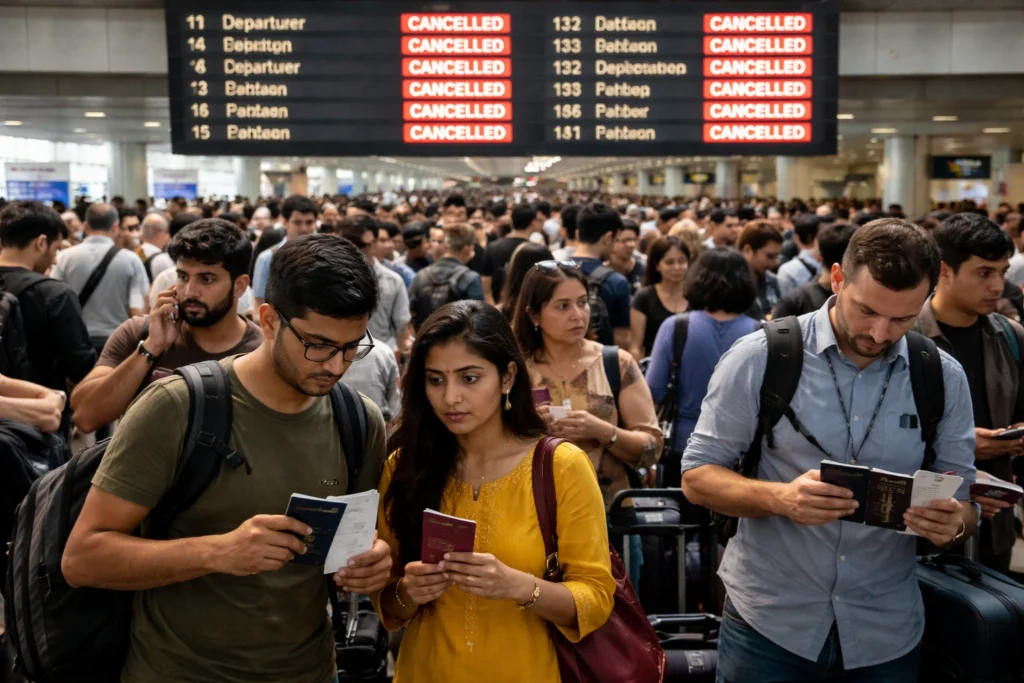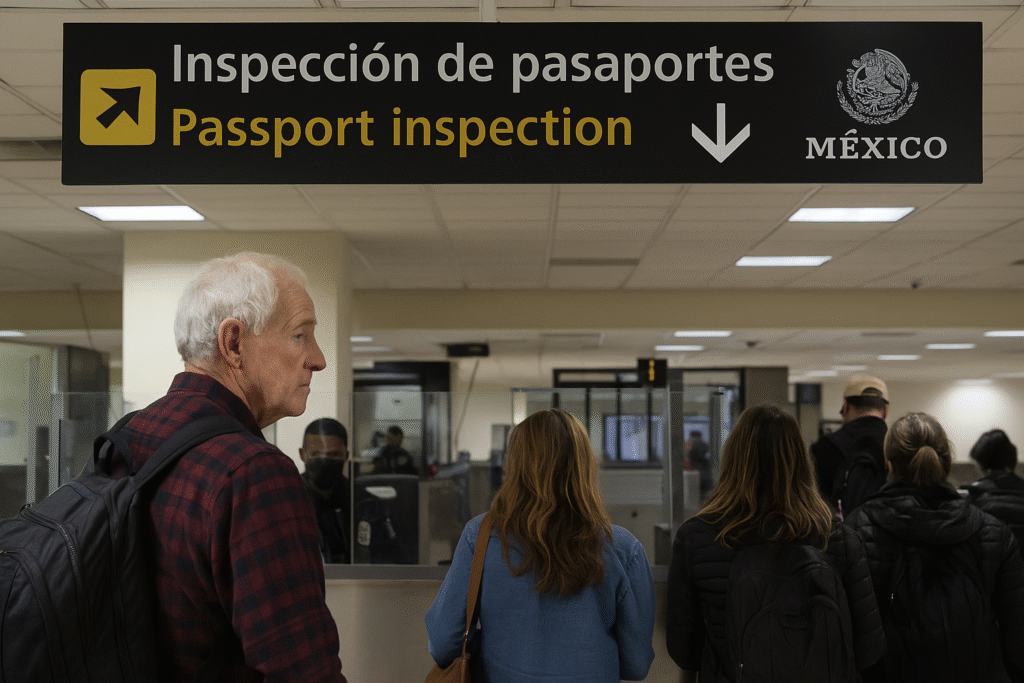
Mexico’s tourism industry faces growing pressure as major countries, including the United States, France, Germany, South Africa, Thailand, and Italy, increase travel warnings and tighten entry rules. These global actions stem from rising violence, cartel activity, and security risks in several Mexican states. The new wave of restrictions and advisories aims to protect travelers from threats that continue to impact the nation’s image abroad.
Security Risks Hit Travel Confidence
Mexico remains a beloved destination for millions of tourists every year. Yet recent years have seen rising violence, particularly in regions with organized crime. States such as Guerrero, Michoacán, Tamaulipas, and Colima face severe instability. These areas, once popular among domestic and foreign tourists, now carry “Do Not Travel” warnings from multiple governments.
Tourists and businesses alike face growing uncertainty. The country’s tourism appeal—its beaches, ancient ruins, and vibrant cities—now competes with rising concerns over safety. The shift in traveler sentiment is already visible, especially among families and solo travelers seeking safer options.
International Governments Act
Countries across several continents have responded to Mexico’s ongoing safety issues with heightened vigilance. The United States continues to issue updated advisories urging citizens to avoid high-risk zones. France, Germany, and Italy have joined the movement with similar alerts, recommending caution even in resort-heavy areas.
South Africa and Thailand have also taken measures, advising travelers to remain cautious and limiting travel permissions in some cases. These advisories reflect a unified international stance: Mexico must address its violence problem before tourism fully recovers.
New Travel Restrictions and Entry Rules
Tighter regulations now accompany the warnings. Governments are imposing more detailed visa and travel screening for those visiting Mexico. Some travelers face extended background checks or added documentation requirements. These measures aim to track visitor safety more closely and prevent potential risks linked to unrest or criminal activity.
For instance, certain countries now require proof of accommodation, financial stability, and complete travel itineraries before approving entry. Airlines and immigration officers in Mexico have also increased scrutiny, especially at airports serving high-risk regions.
Why Mexico Faces Mounting Challenges
Mexico’s troubles are rooted in complex security and political conditions. Cartel conflicts drive much of the violence, especially in border regions and drug transit zones. Rival groups often clash near tourist areas, exposing visitors to danger. In some cases, international tourists have been caught in the crossfire or targeted during robberies and kidnappings.
Economic pressures and limited law enforcement resources have also contributed to the instability. Local police in smaller towns lack the capacity to respond effectively, leaving tourists vulnerable in regions beyond major cities like Cancun or Mexico City.
Kidnappings and Organized Crime
Kidnapping rates have increased in several Mexican states, often linked to organized criminal groups. Tourists and business travelers seen as wealthy targets face a heightened risk. Kidnappings for ransom and extortion attempts have created global alarm. Many nations now issue specific warnings against traveling to affected states, urging citizens to stay within secure, verified resorts or guided tours.
Economic and Political Tension
Beyond security threats, political and economic instability plays a role in Mexico’s tourism slowdown. The ongoing shifts in government policies and international relations have affected tourism growth. Strained diplomatic ties with key partners, including the United States and parts of Europe, have discouraged travel in both directions.
Currency fluctuations and local unrest also shape Mexico’s reputation. Political protests, labor strikes, and corruption scandals add another layer of uncertainty for international visitors.
Competition from Safer Destinations
As Mexico grapples with these challenges, travelers are turning to alternatives. Countries in Central America, the Caribbean, and Europe have gained new interest among tourists seeking safety and stability. Popular destinations such as Costa Rica, Portugal, and Thailand attract former Mexico visitors looking for similar experiences without the security risks.
This shift in travel trends could further strain Mexico’s economy, where tourism accounts for a major share of national income. The long-term impact may include reduced international arrivals and slower recovery for coastal tourism hubs.
Country-by-Country Response
United States:
The U.S. Department of State regularly updates travel alerts for Mexico. States like Guerrero, Michoacán, and Tamaulipas remain under “Do Not Travel” advisories. American tourists are urged to avoid border crossings at night and remain in well-guarded zones.
France and Germany:
Both nations warn travelers about violent crime in coastal regions and advise against solo travel in remote areas. Their citizens are encouraged to book tours through licensed agencies and avoid venturing into unfamiliar regions without guidance.
Italy and South Africa:
These countries have echoed calls for caution. South Africa now imposes tighter visa scrutiny for trips involving Mexico, citing rising safety risks. Italy’s foreign office has advised tourists to remain alert, even in resort zones previously seen as safe.
Thailand and Other Asian Nations:
Asian governments, including Thailand, emphasize avoiding Mexico’s conflict-heavy regions altogether. Advisory notices highlight the unpredictability of local violence and the potential for civil unrest.
Impact on Mexico’s Tourism Industry
The global warnings and stricter entry measures are hitting Mexico’s economy hard. Fewer international arrivals mean reduced income for hotels, tour companies, and small local businesses. Resort towns that depend on foreign guests report noticeable drops in bookings. The tourism sector, once a cornerstone of national revenue, faces its most serious test in years.
The government now faces mounting pressure to restore international trust. Stronger law enforcement, improved infrastructure, and clearer communication about safety conditions are essential. Without visible change, Mexico risks losing its place as one of the world’s most visited destinations.
The Road Ahead for Mexico
For Mexico to rebuild traveler confidence, safety reforms and international cooperation will be crucial. Strengthening police presence, addressing cartel control, and improving tourist protection measures must take priority. Tourism recovery depends on stability, transparency, and consistent enforcement of safety rules.
Mexico’s natural beauty, cultural depth, and historic charm still draw visitors. Yet without meaningful action, these attractions may struggle to outweigh growing fears. The country’s tourism future now hinges on how quickly it can restore the sense of security that once made it a global favorite.
For more travel news like this, keep reading Global Travel Wire