A powerful winter blast disrupts travel across northern England and Scotland as an amber snow warning brings deep snow and dangerous cold. Tourists visiting Newcastle, Whitby, the North Yorkshire Moors and the Grampians now face hazardous conditions. The storm delivers heavy snow, strong winds and freezing temperatures that threaten both road and rail travel.
This warning highlights growing winter risks for travelers exploring northern UK destinations. Snowfall up to 25cm creates widespread travel challenges, especially in rural and upland areas.
Snowfall Hits Northern Tourism Hotspots Hard
The amber warning covers several regions known for their winter tourism. The North Yorkshire Moors expect the heaviest snow. Higher elevations could see deep drifts as strong winds lift powder across roads and footpaths. Travelers visiting scenic routes should prepare for slower journeys and reduced visibility.
Newcastle faces overnight snow showers that shift toward coastal areas by morning. The city also expects harsh frost and icy roads. Temperatures may fall to -4°C, creating treacherous surfaces for drivers and pedestrians.
Whitby and surrounding coastal routes face strong gusts and persistent snow. Tourists heading into the town or traveling through nearby rural roads should expect delays. Conditions may worsen before they improve.
Rural Areas Face Higher Risk of Isolation
Rural communities in the North East and Scotland face the highest risk of travel disruption. Strong winds may create near whiteout conditions on exposed roads. Snow drifts could block smaller routes and isolate remote homes. Power outages also remain possible due to snow-heavy lines and falling branches.
The Grampians face similar challenges. Higher ground will experience the most severe snowfall and lowest temperatures. Tourists exploring mountain regions should check local guidance before traveling.
Hazardous Driving Conditions Create Chaos for Motorists
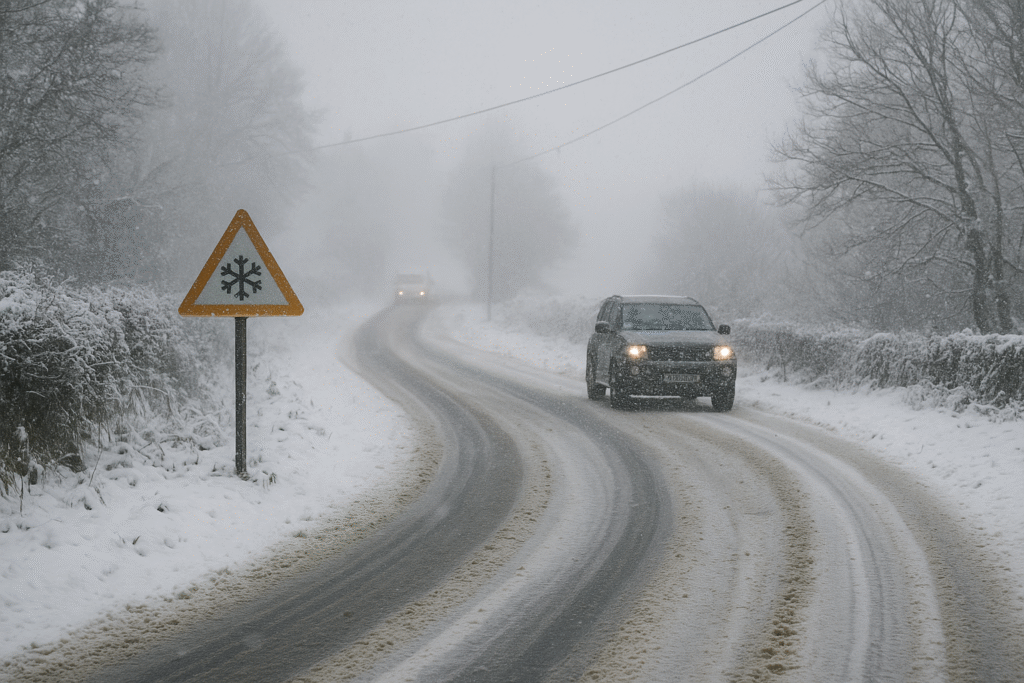
Snow and ice create major danger for motorists across northern England. Drivers struggle with slippery surfaces, reduced visibility and strong crosswinds. Travel on main routes remains difficult and slow. Experts warn drivers to reduce speed and maintain long distances. Stopping distances increase sharply in icy conditions.
Police closed several key routes on Wednesday night. Heavy snow trapped multiple vehicles on the A171 near Whitby. Officers also closed the A169 between Whitby and Pickering due to unsafe surfaces. More closures are possible as conditions evolve.
Tourists traveling by car must stay alert, plan alternate routes and carry essential supplies. Delays may stretch travel times far beyond normal.
Rail Services Hit by Delays and Speed Restrictions
Rail passengers also face serious disruption. National Rail warns travelers of delays, cancellations and schedule changes across northern lines. Speed restrictions ensure safety but lengthen journey times. Rail companies urge passengers to check travel updates before heading to stations.
Snow and ice affect overhead lines and tracks, especially in exposed upland areas. Coastal rail routes may also experience strong winds and sea spray.
Tourists planning multi-city trips must prepare for longer connections and possible last-minute changes.
Cold Snap Deepens as Arctic Air Moves South
Arctic air spreads across the UK through the week. This pattern keeps temperatures well below seasonal averages. Rural northern areas may reach -6°C overnight. These cold conditions pose risks for vulnerable residents and winter tourists.
The Met Office warns that Friday could bring even colder temperatures. Some parts of Scotland may record lows near -12°C after clear skies follow heavy snow. Deeper cold may freeze untreated roads and footpaths.
Tourists should pack warm layers, waterproof boots and insulated gear. Cold exposure becomes dangerous very quickly in high winds.
Weather Eases for Some Areas but Snow Persists in the North
Southern and central regions see brighter skies by Thursday. Sunshine offers some relief for travelers. However, northern and coastal areas continue to face wintry showers. Northeastern England sees persistent snow as cold winds push fresh showers inland.
Snow remains heaviest across the North York Moors, the Sperrins, the Northwest Highlands and the Grampians. Pembrokeshire also sees upland snow. These regions may experience ongoing travel disruption throughout the day.
Tourists visiting scenic hill regions should expect difficult travel and limited visibility.
Weekend Outlook Brings Milder Temperatures but New Challenges
Temperatures begin to rise over the weekend as milder air moves in. This shift ends the extreme cold but brings new conditions. Rain and stronger winds return to many areas. Melted snow may create surface water on roads and footpaths. Travelers must remain cautious as thawing snow increases slip risks.
Tourists visiting cities may find travel easier, but rural journeys remain challenging until snow clears. Conditions vary widely between lowland and upland areas.
Travelers Urged to Plan Ahead and Stay Informed
The UK faces significant travel challenges under this amber snow warning. Major road closures, icy surfaces and rail delays affect holiday plans across northern regions. Travelers should allow extra time, monitor weather updates and avoid risky routes.
Tourism hotspots remain accessible, but conditions require preparation and caution. With planning and awareness, travelers can reduce risks and continue their winter journeys safely.
For more travel news like this, keep reading Global Travel Wire