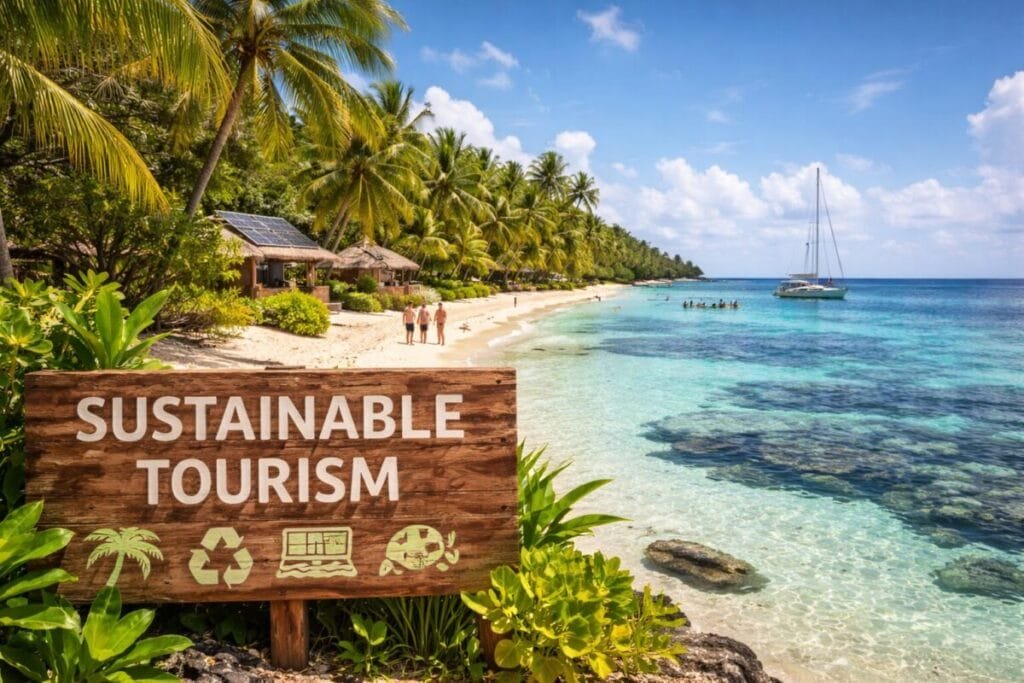
Across Latin America and the Caribbean, a growing coalition of tourism-dependent nations is transforming how coastal destinations are managed, placing sustainability, conservation, and climate resilience at the heart of tourism development. Countries including Mexico, Costa Rica, Jamaica, Colombia, Puerto Rico, Saint Lucia, and the Bahamas are introducing stronger environmental regulations and innovative policies designed to protect fragile ecosystems while supporting long-term economic growth.
As global tourism rebounds and visitor numbers increase, governments are recognizing the need to balance economic benefits with environmental responsibility. Coastal tourism represents a vital source of employment and income for many of these regions, making sustainability strategies essential for preserving natural resources and maintaining destination appeal.
Mexico’s Expanding Role in Sustainable Tourism Leadership
Mexico has emerged as a key player in sustainable tourism innovation through major environmental programs aimed at reducing emissions, minimizing waste, and promoting inclusive growth. One of the country’s flagship initiatives focuses on transforming coastal tourism through green infrastructure, renewable energy integration, and strategies to address plastic pollution.
The initiative targets multiple coastal states and prioritizes community involvement, ensuring that local residents benefit economically while preserving natural assets. By incorporating social inclusion, gender equality, and sustainable finance models, Mexico is working toward a tourism framework that supports both environmental protection and social development.
The country’s approach highlights the growing recognition that sustainability is no longer optional in tourism planning but rather a central pillar of long-term competitiveness.
Costa Rica’s Eco-Tourism Model Inspires Regional Change
Costa Rica continues to be widely recognized as a pioneer in eco-tourism, offering a blueprint for balancing conservation with tourism growth. With a significant portion of its territory under protected status, the nation has built a reputation for safeguarding biodiversity while attracting environmentally conscious travelers.
Marine reserves and national parks play a key role in protecting coral reefs, mangroves, and coastal ecosystems, while strict environmental regulations guide tourism development. Costa Rica’s emphasis on renewable energy, sustainable waste management, and low-carbon tourism experiences has inspired neighbouring countries to adopt similar policies.
Local communities play a central role in conservation initiatives, creating employment opportunities that align economic growth with environmental stewardship.
Caribbean Nations Strengthen Marine Protection and Green Policies
Across the Caribbean, governments are adopting coordinated strategies to preserve marine habitats and reduce the environmental impact of tourism. Jamaica has expanded marine protected areas and implemented zoning systems designed to protect coral reefs and coastal ecosystems. These efforts support sustainable diving and snorkeling tourism while safeguarding biodiversity.
The Bahamas has embraced marine conservation through large-scale protected areas, recognizing the importance of maintaining healthy ocean ecosystems for both tourism and fisheries. By improving water quality, reducing single-use plastics, and promoting eco-friendly infrastructure, the nation aims to ensure long-term sustainability for its tourism industry.
Saint Lucia has also advanced sustainable tourism through coastal zoning and conservation policies that prioritize ecosystem preservation. Initiatives focused on reducing waste and transitioning toward clean energy solutions are helping the island strengthen its green tourism identity.
Colombia and Puerto Rico Focus on Climate-Resilient Tourism
Colombia’s diverse coastline, which includes Caribbean and Pacific ecosystems, has become a focal point for sustainable tourism planning. The country is expanding marine protected areas while encouraging eco-friendly tourism practices such as responsible diving, wildlife protection, and sustainable fisheries.
Puerto Rico is similarly working to preserve coral reefs and coastal habitats while enhancing climate resilience. Efforts include strengthening marine conservation measures, improving waste management systems, and encouraging environmentally responsible visitor behaviour.
These initiatives reflect a broader shift toward climate adaptation strategies as coastal destinations face increasing challenges from rising sea levels, extreme weather events, and environmental degradation.
Smaller Island Nations Lead with Innovative Green Solutions
Smaller Caribbean states such as Saint Kitts and Nevis, Belize, and Trinidad and Tobago are demonstrating how targeted policies can create meaningful environmental change. Belize, home to one of the world’s largest reef systems, has prioritized reef protection and sustainable marine tourism, recognizing the ecological and economic importance of healthy coral ecosystems.
Trinidad and Tobago are strengthening coastal management programs that protect biodiversity while promoting eco-tourism activities. Meanwhile, Saint Kitts and Nevis are integrating green economy principles into tourism planning, supporting renewable energy adoption and environmentally responsible infrastructure development.
These efforts show that even smaller destinations can lead global sustainability initiatives through focused policy action and community engagement.
Sustainable Tourism as an Economic Opportunity
While environmental protection remains a key driver, sustainable tourism policies also present economic advantages. Eco-conscious travelers increasingly seek destinations that demonstrate environmental responsibility, creating opportunities for countries that prioritize sustainability.
Green tourism initiatives encourage innovation in areas such as renewable energy, waste management technology, and conservation-focused experiences. This approach not only reduces environmental impact but also strengthens brand identity and attracts a growing market of environmentally aware visitors.
A Collaborative Future for Coastal Tourism
The collective actions of Mexico and its regional partners illustrate a growing commitment to protecting coastal ecosystems while fostering responsible tourism growth. By adopting stronger environmental regulations, promoting waste reduction, and investing in green infrastructure, these nations are redefining the future of coastal tourism.
As global travelers become more aware of sustainability issues, destinations that prioritize environmental stewardship are likely to gain a competitive advantage. The coordinated efforts across Latin America and the Caribbean demonstrate that tourism can thrive while preserving natural beauty and supporting local communities.
With continued collaboration, innovation, and investment, sustainable coastal tourism is poised to shape the next generation of travel experiences, ensuring that some of the world’s most iconic beaches and marine ecosystems remain protected for years to come.
For more travel news like this, keep reading Global Travel Wire