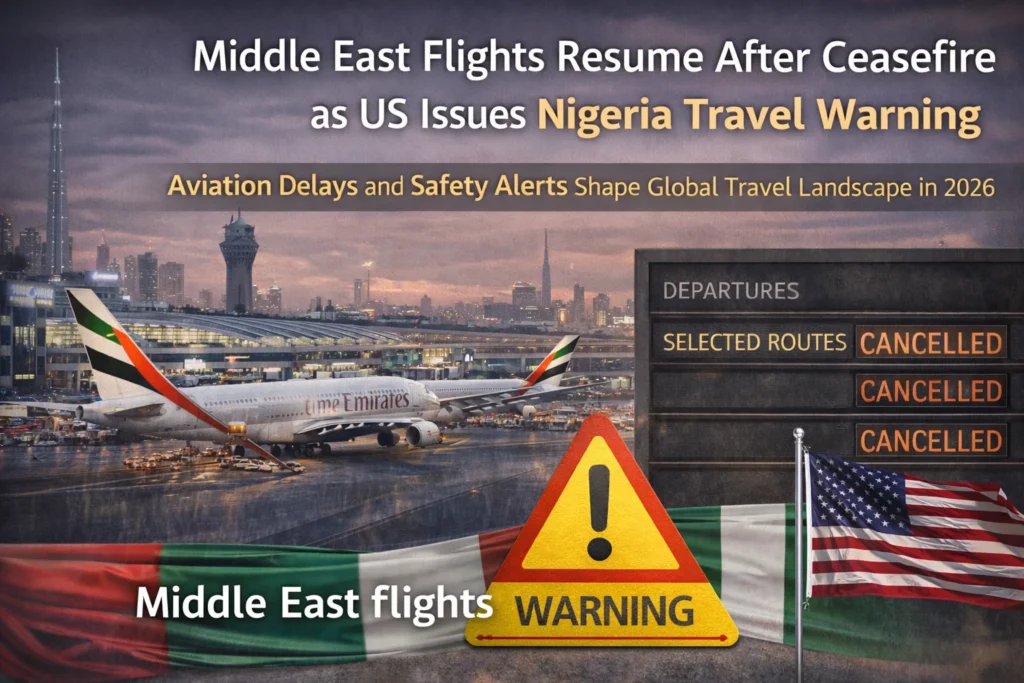
A major travel crisis has disrupted the Middle East aviation sector. The UAE, Saudi Arabia, Kuwait, and Oman now face severe operational challenges.
IndiGo, a leading low-cost airline, struggles to maintain flight schedules. These issues affect major cities like Doha, Kuwait City, Manama, and Dammam.
As a result, thousands of travelers now face delays, cancellations, and confusion. Airports across the region report rising congestion and uncertainty.
IndiGo Operations Collapse Under Pressure
IndiGo has reduced its flight operations across the Middle East. The airline announced limited services due to ongoing disruptions.
Labor strikes and political tensions continue to impact daily operations. These challenges force the airline to suspend key routes.
Travelers now face constant schedule changes. Many flights remain uncertain or unavailable.
Key Routes And Cities Hit Hard
Several important routes have seen major disruptions. Flights to Doha, Kuwait City, Manama, and Dammam face the worst impact.
These cities serve as major transit and business hubs. Therefore, disruptions create a ripple effect across regional travel networks.
Passengers traveling between India and the Middle East face the highest disruption levels.
UAE Experiences Widespread Airport Delays
The UAE has reported major travel disruptions across its airports. Flights between the Emirates and nearby countries remain limited.
Dubai and Abu Dhabi airports now handle large numbers of stranded passengers. Travelers struggle to find alternative flights.
Authorities continue to monitor the situation and provide support services.
Saudi Arabia Faces Rising Passenger Backlog
Saudi Arabia has also seen heavy disruption across its aviation network. Airports in Riyadh, Jeddah, and Medina report flight delays and cancellations.
Passengers now seek alternative travel options. However, limited availability has increased frustration.
Business and religious travel plans have also suffered due to these delays.
Kuwait And Oman Struggle With Limited Connectivity
Kuwait has experienced significant service interruptions. Flights between Kuwait City and regional hubs remain suspended or delayed.
Travelers now face uncertainty while searching for new routes.
Oman has also reported heavy disruption at Muscat International Airport. Passengers cannot find available flights easily.
As a result, many travelers have postponed or canceled their trips.
Regional Airports Under Severe Pressure
Major airports across the region face operational stress. Long queues and flight delays have become common.
Airports in Doha, Bahrain, and Cairo report similar challenges. Travelers often wait for hours for updates.
Limited flight availability has worsened congestion levels.
Causes Behind The Ongoing Crisis
Several factors have triggered this travel chaos. Labor strikes have disrupted airport ground operations and airline schedules.
Political tensions have also affected airspace and travel routes. Regulatory challenges have added further complications.
Together, these factors have created a complex and evolving situation.
Tourism Sector Faces Fresh Setback
The travel crisis has impacted regional tourism heavily. The Middle East had seen strong recovery in recent years.
However, flight disruptions have slowed tourism growth again. Many tourists have canceled or delayed travel plans.
Hotels and tourism businesses now face booking declines.
Business Travel Suffers Major Impact
Business travel has also taken a major hit. Conferences and meetings across cities like Dubai and Riyadh have faced disruption.
Executives have missed key appointments due to flight delays.
Companies now face financial losses and scheduling challenges.
Governments Step In With Emergency Measures
Governments across the region have taken quick action. Authorities have introduced temporary visa extensions for stranded travelers.
They have also launched emergency helplines and support systems.
Officials continue to coordinate with airlines to manage the crisis.
IndiGo Offers Support And Flexibility
IndiGo has started offering flexible options for affected passengers. The airline provides refunds and rebooking support.
It also shares real-time updates to keep travelers informed.
However, challenges remain due to ongoing operational disruptions.
What Travelers Should Do Now
Travelers must stay alert and informed during this crisis. They should check flight status regularly before heading to the airport.
They should also register with official helplines for updates and support.
Exploring alternative routes can help reduce delays. Flexibility remains essential in this situation.
Travel Recovery May Take Time
The Middle East travel crisis continues to evolve. Flight operations remain uncertain across several routes.
Airlines and governments continue to work toward stability. However, recovery may take time.
Travelers must prepare for ongoing disruptions and plan carefully.
A Challenging Phase For Global Aviation
This crisis highlights the fragile nature of global travel networks. Multiple factors can disrupt operations quickly.
Despite the challenges, coordinated efforts continue across the region. Authorities aim to restore normal travel conditions soon.
Until then, travelers must remain patient and adaptable.
For more travel news like this, keep reading Global Travel Wire