



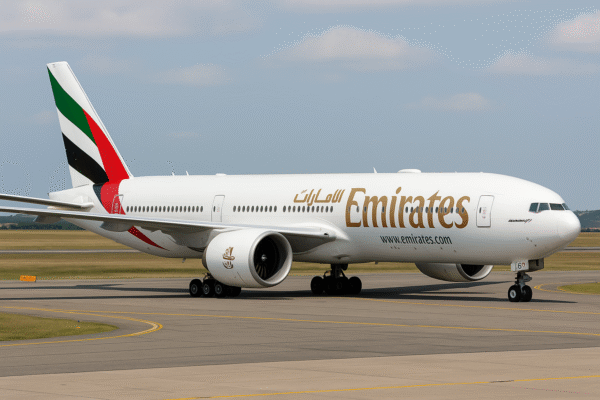






A major travel alert has been issued across the aviation industry as escalating tensions in the Middle East force widespread airspace closures, leading to hundreds of flight cancellations and delays. The disruption has rapidly spread across international travel networks, affecting passengers traveling between Europe, Asia, North America, and beyond.
What is typically an invisible web of efficient air routes has now been transformed into a fragmented and unpredictable system. Airlines, airports, and passengers are all navigating an evolving situation where safety concerns have taken priority over schedules.
Airspace Shutdowns Create Immediate Global Impact
The disruption intensified in mid-March 2026 when several countries in the Middle East imposed partial or complete airspace restrictions. These regions serve as critical transit corridors for long-haul flights, linking major global destinations.
With these routes suddenly unavailable, airlines were forced to react quickly. Flights already in the air were diverted to alternate airports, while many scheduled departures were cancelled entirely. Major international carriers have had to suspend or adjust operations, significantly reducing capacity across key global routes.
This sudden loss of connectivity has highlighted how dependent global aviation is on stable and open airspace across the Middle East.
Longer Routes and Rising Costs for Airlines
For flights that continue to operate, the journey has become more complex. Aircraft are being rerouted through alternative corridors over regions such as North Africa or Central Asia, avoiding restricted zones.
These detours are adding considerable time to long-haul journeys, in some cases extending travel by several hours. Increased fuel consumption and operational costs are placing additional pressure on airlines, which are already managing tight schedules and high demand.
The ripple effect is significant. A single delayed or rerouted flight can disrupt an airline’s entire network, causing missed connections and further delays across multiple destinations.
Major Airports Experience Passenger Congestion
Key international hubs are facing unprecedented congestion as stranded passengers seek alternative travel options. Airports in Europe and the Middle East are seeing long queues, crowded terminals, and limited availability of onward flights.
Transit passengers are particularly affected, as many rely on Middle Eastern hubs for connecting journeys. With fewer flights operating and limited seats available, rebooking has become increasingly challenging.
Hotel availability in major transit cities is also under pressure, as thousands of travellers require overnight accommodation due to cancellations and missed connections.
Human Impact: Travellers Face Uncertainty
Behind the statistics of cancelled flights are real human experiences of disruption and uncertainty. Passengers are dealing with last-minute itinerary changes, extended waiting times, and difficulties securing alternative routes.
Many travellers are relying heavily on airline apps and digital notifications to stay updated. In a rapidly changing situation, real-time information has become essential for managing travel plans.
Families, business travellers, and tourists alike are being forced to adapt quickly, often with limited clarity on when normal operations will resume.
Passenger Rights and Airline Responsibilities
During such disruptions, airlines remain responsible for providing basic assistance to affected passengers. This includes meals, refreshments, and accommodation when necessary, particularly for overnight delays.
Travellers are typically offered a choice between a full refund or rebooking on the next available flight. However, in cases involving geopolitical events and airspace closures, additional financial compensation is generally not applicable, as these are considered extraordinary circumstances beyond airline control.
Despite this, the obligation to care for stranded passengers remains a key requirement for airlines operating international routes.
Tourism Sector Faces Economic Setback
The travel alert comes at a time when tourism in parts of the Middle East and nearby regions had been experiencing strong growth. The sudden disruption is expected to result in significant economic losses for airlines, hotels, and tourism-dependent businesses.
Destinations that rely on transit passengers are particularly vulnerable. As travellers seek alternative routes or postpone trips altogether, the flow of international visitors is declining.
The broader tourism industry is also feeling the impact, as uncertainty discourages travel planning and reduces confidence in long-haul journeys.
Travellers Seek Alternative Routes
With traditional flight paths disrupted, travellers are increasingly exploring alternative routes through different regions. European and Asian hubs are seeing increased demand as passengers attempt to bypass affected areas.
However, these alternatives are limited and often more expensive, adding another layer of complexity for travellers. Airlines are working to expand capacity where possible, but the sudden surge in demand is challenging to manage.
Practical Advice for Travellers
Passengers with upcoming travel plans are advised to stay informed and flexible. Checking flight status regularly through official airline channels is essential, as schedules can change with little notice.
Keeping essential items such as medications, chargers, and travel documents in carry-on luggage is strongly recommended. In addition, reviewing travel insurance policies for coverage related to disruptions can provide added security.
Travellers currently in affected regions should remain in close contact with airlines and local authorities for updates and guidance.
Aviation Industry Adapts to Uncertainty
The current situation has forced the aviation industry to adopt new operational strategies focused on safety and adaptability. Airlines are continuously monitoring developments and adjusting routes as conditions change.
While the industry is known for its resilience, the scale of this disruption underscores the challenges posed by geopolitical instability. Restoring normal operations will depend on the reopening of airspace and improved regional stability.
A Critical Moment for Global Connectivity
This travel alert serves as a reminder of how interconnected the modern world has become. The Middle East plays a central role in global aviation, and any disruption in the region has immediate worldwide consequences.
As airlines work to clear backlogs and resume operations, the priority remains ensuring passenger safety and maintaining essential connectivity. For now, flexibility and patience are key for travellers navigating one of the most significant aviation disruptions in recent years.
For more travel news like this, keep reading Global Travel Wire