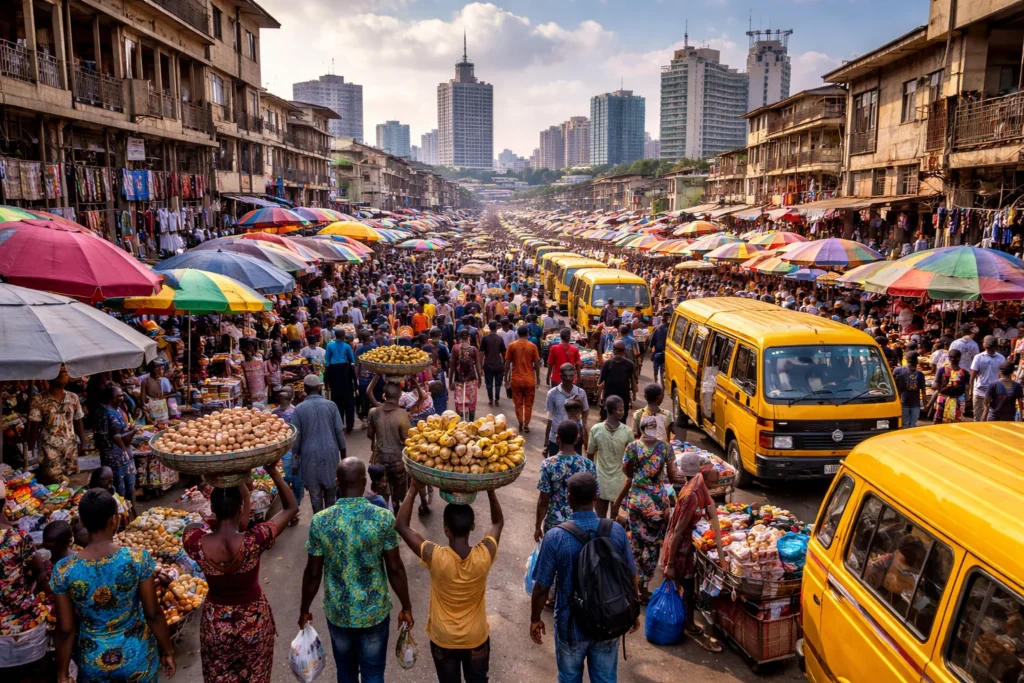
Nigeria’s tourism landscape is facing renewed scrutiny following updated government travel guidance that highlights ongoing safety concerns across several regions. The latest Nigeria travel advisory reflects changes in embassy operations and security assessments, urging travellers to exercise caution and reconsider travel plans due to multiple risk factors.
According to official government statements, the authorization for the departure of non-essential personnel from diplomatic facilities in Abuja signals heightened awareness of evolving security conditions. While the advisory level remains unchanged, updates to risk areas and safety considerations have significant implications for tourism and travel planning.
Tourism authorities and international travel agencies emphasize that Nigeria remains a destination with diverse cultural and natural attractions, but current conditions require careful planning and awareness. Government advisories identify several risk categories affecting travel, including crime, terrorism, civil unrest, kidnapping, and healthcare limitations. These factors contribute to the classification of the country under a “reconsider travel” advisory level.
Certain regions within Nigeria have been designated as high-risk zones where travel is strongly discouraged. These include states in the northeast and northwest, as well as parts of central and southern Nigeria. Authorities have highlighted that security conditions in these areas are unpredictable, with incidents of violence and criminal activity reported.
The presence of terrorist activity in some regions remains a key concern. Official reports indicate that attacks can occur without warning, targeting both local populations and foreign visitors. Security forces continue to carry out operations to address these threats, but the situation remains fluid.
Crime is another major factor influencing travel decisions. Government advisories note that incidents such as armed robbery, carjacking, and kidnapping occur in various parts of the country. Kidnapping for ransom has been identified as a significant risk, particularly for foreign nationals who may be perceived as high-value targets.
Civil unrest in certain areas further complicates the travel environment. Localised conflicts and demonstrations can disrupt transportation and access to services, creating additional challenges for visitors. Tourism boards advise travellers to avoid large gatherings and remain informed about local developments.
Healthcare infrastructure is also highlighted as a concern for travellers. Official health advisories indicate that medical facilities may not meet international standards, and access to essential medicines can be limited. Visitors are encouraged to prepare adequately by carrying necessary medications and ensuring that vaccinations are up to date.
Despite these challenges, Nigeria continues to hold potential as a tourism destination due to its rich cultural heritage, diverse landscapes, and vibrant communities. Government tourism initiatives have previously focused on promoting attractions such as national parks, cultural festivals, and historical sites. However, current safety considerations remain a priority for both authorities and travellers.
For those considering travel, official guidance emphasises the importance of preparation and vigilance. Travellers are advised to stay informed through government updates, register with relevant embassy services, and maintain flexible travel plans. Awareness of surroundings and adherence to local security recommendations are essential for ensuring personal safety.
Transportation and mobility within the country require particular attention. Authorities recommend planning travel routes carefully and avoiding predictable patterns. Road travel, especially in remote areas, can present risks due to security concerns and infrastructure challenges.
Tourism operators and hospitality providers in Nigeria are adapting to the current environment by implementing enhanced safety measures. Hotels and tour companies are working to provide secure experiences for guests, including controlled access and updated safety protocols. These efforts aim to maintain a level of confidence among travellers while addressing ongoing challenges.
International tourism to Nigeria has been influenced by travel advisories issued by multiple governments. These advisories often shape traveller perceptions and decision-making, impacting visitor numbers and tourism revenue. Authorities continue to monitor the situation closely, with the potential for adjustments based on changing conditions.
Domestic tourism remains an important component of Nigeria’s travel sector. Local travellers continue to explore destinations within the country, supported by initiatives aimed at promoting cultural and recreational experiences. This internal demand provides some stability for the tourism industry during periods of reduced international travel.
The broader impact of travel advisories extends beyond tourism, affecting business travel and investment as well. Companies operating in Nigeria are advised to implement security measures and provide guidance to employees travelling within the country. These precautions contribute to overall safety while supporting economic activity.
Looking ahead, the future of Nigeria’s tourism sector will depend on improvements in security and infrastructure. Government efforts to address safety concerns and enhance public services are critical for restoring confidence among international travellers. Collaboration between security agencies, tourism authorities, and local communities plays a key role in achieving these objectives.
For travellers, the current advisory underscores the importance of informed decision-making. Understanding the risks and taking appropriate precautions can help mitigate potential challenges. Travel insurance, including coverage for medical emergencies and evacuation, is strongly recommended as part of trip planning.
Nigeria’s position as a culturally rich and diverse destination remains unchanged, but the current travel environment requires careful consideration. By staying informed and prepared, travellers can make responsible choices that prioritise safety while exploring opportunities within the country.
As the situation evolves, updates to the Nigeria travel advisory will continue to guide travellers and industry stakeholders. The emphasis on safety, awareness, and preparedness reflects the broader goal of ensuring secure and sustainable tourism in the region.