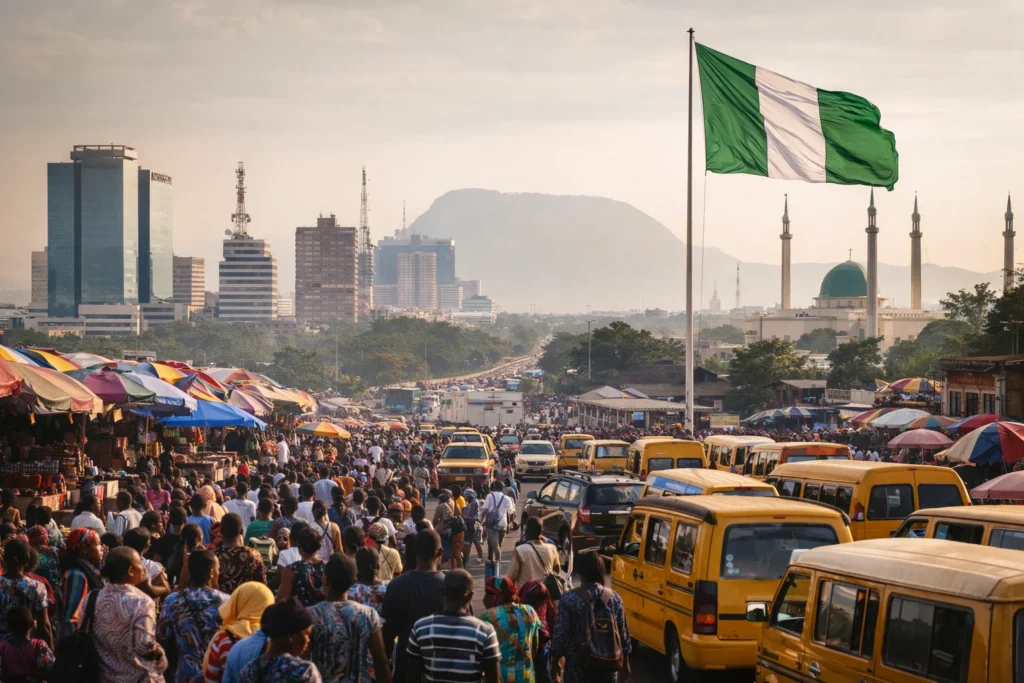
Nigeria travel warning updates are drawing renewed attention to how safety perceptions can influence both tourism growth and investor confidence in one of Africa’s largest economies. Travel advisories issued by foreign governments often focus on security considerations for their citizens, but the wider effects can extend beyond tourism and into business sentiment, destination branding, and long-term economic opportunity.
Nigeria remains a major regional powerhouse with strong cultural appeal, a large domestic market, expanding creative industries, and significant tourism potential. However, when international advisories highlight concerns such as crime, kidnapping, terrorism, or civil unrest, global audiences may reassess travel plans, partnership timelines, and market decisions.
For the tourism sector, the latest discussion underscores the importance of confidence, communication, and regional stability in shaping how destinations are viewed internationally.
Why Travel Advisories Matter Beyond Tourism
Travel advisories are designed to inform citizens about potential risks abroad. They are not tourism rankings, but they can still affect traveler behavior and business perceptions.
When a destination receives a higher-risk classification, possible impacts may include:
Holiday Cancellations: Leisure travelers may postpone trips.
Corporate Travel Delays: Companies may reduce non-essential visits.
Insurance Costs: Travel and project insurance can become more expensive.
Conference Decisions: Event planners may choose alternative locations.
Investment Caution: International partners may slow decision-making.
Brand Perception: Media attention can shape broader narratives.
This is why advisories often carry economic significance beyond the travel sector itself.
Nigeria’s Tourism Potential Remains Significant
Despite challenges, Nigeria has one of the strongest long-term tourism opportunities in Africa. The country offers dynamic cities, cultural heritage, music, film, festivals, wildlife areas, beaches, and business travel demand.
Key tourism strengths include:
Lagos: Nigeria’s commercial center with nightlife, arts, cuisine, beaches, and events.
Abuja: Administrative capital with conference travel and modern urban appeal.
Calabar: Known for festivals, hospitality, and cultural tourism.
Cross River Region: Nature attractions and eco-tourism potential.
Creative Industries: Nollywood, fashion, and music tourism opportunities.
Diaspora Travel: Strong visiting-friends-and-relatives demand from overseas communities.
These assets mean Nigeria remains highly relevant in Africa’s tourism future.
Regional Differences Matter
One important point in many travel risk assessments is that conditions often vary by region. Large countries can contain areas of strong stability alongside areas facing greater challenges.
For tourism and investment audiences, this means blanket perceptions may not reflect the full national picture.
Some regions may offer:
- Stronger security coordination
- Better transport infrastructure
- Active tourism promotion
- Stable business environments
- Successful event hosting experience
- Higher visitor readiness
Recognizing these differences is important for accurate destination planning and policy responses.
Investor Confidence and Tourism Are Closely Linked
Tourism and investment often move together because both depend on confidence. Investors look for predictable operating conditions, transparent governance, and reliable infrastructure. Tourists look for safety, ease of movement, and positive visitor experiences.
When confidence improves, benefits can include:
New Hotels and Resorts: Tourism investment creates capacity.
Transport Upgrades: Better airports, roads, and mobility systems.
Events Growth: Conferences and festivals attract global audiences.
Job Creation: Hospitality and services expand employment.
SME Development: Local guides, restaurants, and artisans benefit.
International Partnerships: More airlines and brands may enter the market.
This makes security and governance important economic drivers.
What Nigeria Can Do to Strengthen Travel Confidence
Many destinations around the world have improved perceptions through coordinated action rather than marketing alone. Practical steps often matter most.
Possible focus areas include:
Visible Security Improvements: Strong visitor safety systems at airports, hotels, and attractions.
Rapid Response Coordination: Efficient communication during incidents.
Reliable Data Sharing: Transparent updates on tourism zones and visitor conditions.
Destination Branding: Promote successful regions and positive travel experiences.
Infrastructure Investment: Better roads, airports, signage, and digital services.
Public-Private Cooperation: Tourism boards and business groups working together.
International Dialogue: Regular engagement with embassies, airlines, and chambers of commerce.
These actions can help rebuild trust over time.
Why Domestic Tourism Is Important
Domestic tourism can play a major stabilizing role during periods of international caution. Large internal travel markets support hotels, attractions, transport providers, and events even when inbound demand fluctuates.
Nigeria’s population size creates strong potential for:
- Weekend city breaks
- Family travel
- Religious tourism
- Cultural festivals
- Sports travel
- Educational travel
- Business meetings within the country
A strong domestic base can help sustain tourism businesses while international confidence improves.
Global Lessons from Other Destinations
Many destinations have faced difficult headlines and later recovered strongly through reforms, investment, and consistent messaging. Tourism history shows that perception can change when travelers see clear progress and positive experiences.
Successful recoveries often include:
Improved Security Metrics
Major International Events
New Airline Connectivity
Visa Reforms
Hotel Investment Waves
Positive Traveler Reviews
Strong Government Coordination
Nigeria can draw lessons from these global examples while building a strategy suited to local realities.
What Travelers Should Do
Travelers considering Nigeria should always rely on current official guidance and practical planning rather than headlines alone.
Helpful steps include:
Check Official Advisories: Review updates before booking.
Choose Reputable Providers: Use trusted hotels and transport services.
Plan Regional Routes Carefully: Understand local conditions.
Keep Contacts Handy: Save embassy, airline, and hotel details.
Use Travel Insurance: Confirm coverage terms.
Stay Informed Locally: Follow hotel and local authority advice.
Prepared travel decisions are usually more effective than reacting to broad perceptions.
Long-Term Outlook for Nigeria Tourism
Nigeria’s long-term tourism story remains larger than any single advisory cycle. The country has scale, culture, entrepreneurship, and a powerful domestic market that many destinations would value.
If improvements in security coordination, infrastructure, and communication continue, tourism and investment confidence can strengthen significantly over time.
The opportunity is substantial because Nigeria offers both leisure and business travel potential in a fast-growing African market.
Nigeria Travel Warning Highlights the Importance of Confidence
The latest Nigeria travel warning discussion shows that destination success depends not only on attractions but also on confidence. Safety perception, clear communication, and visible progress are central to tourism competitiveness in today’s market.
For Nigeria, the path forward is not defined only by risk headlines. It is also shaped by the country’s ability to showcase stable regions, strengthen visitor confidence, and unlock the full value of its tourism and investment potential.
With the right long-term strategy, Nigeria can remain one of Africa’s most important future travel markets.